How to Say "dairy" in Spanish
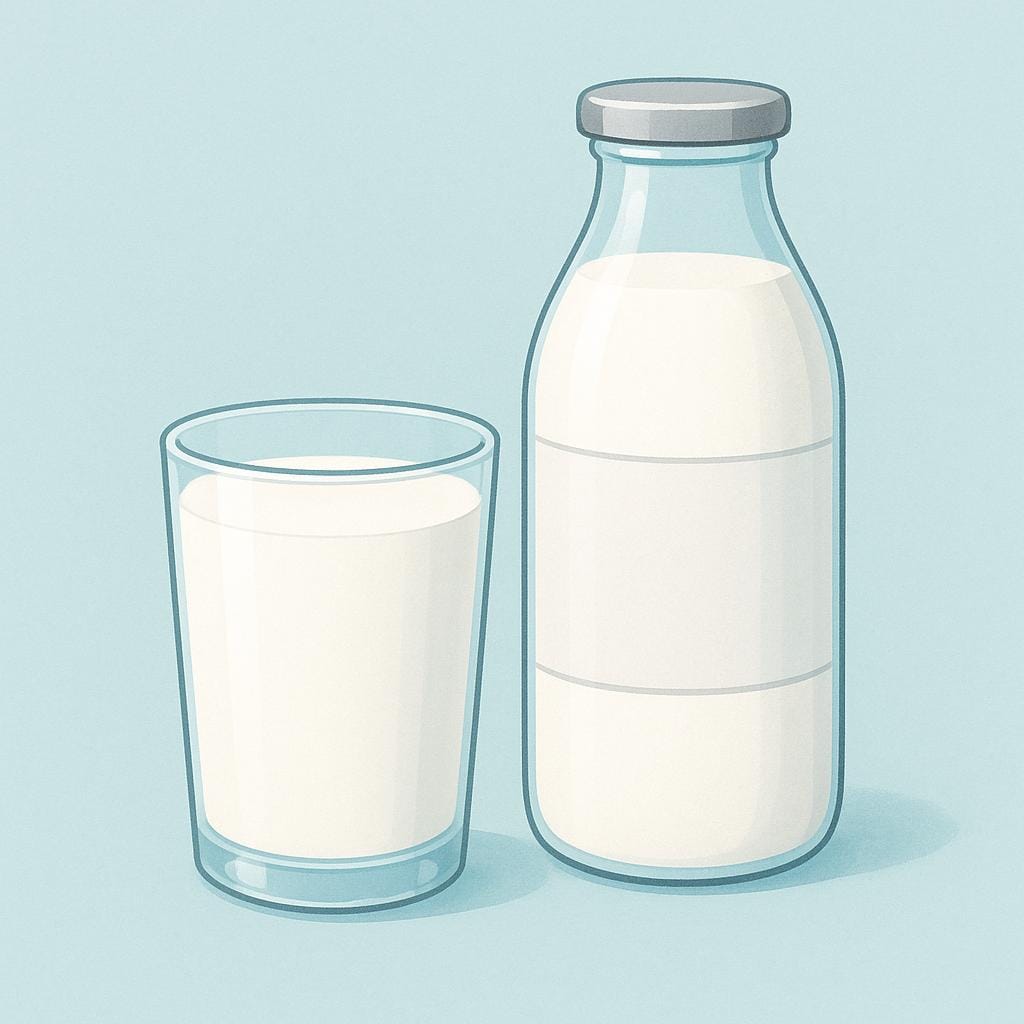
The most common Spanish word for “dairy” is “leche” — use 'leche' when referring to milk itself, or in a general context of products derived directly from milk, especially in beverages like coffee or tea.

leche
LEH-chehˈletʃe
Examples
¿Quieres café con leche o té?
Do you want coffee with milk or tea?
Necesitamos un litro de leche fresca para el desayuno.
We need a liter of fresh milk for breakfast.
Gender Reminder
Even though 'leche' is a feminine noun, it doesn't follow the typical pattern of ending in '-a'. Always remember to use feminine words with it, like 'la leche' or 'mucha leche'.
lácteo
Examples
El queso es un producto lácteo muy popular.
Cheese is a very popular dairy product.
lácteo
Examples
Los lácteos son una buena fuente de calcio.
Dairy products are a good source of calcium.
Leche vs. Lácteo
Learn Spanish with Inklingo
Interactive stories, personalized learning, and more.