How to Say "die" in Spanish
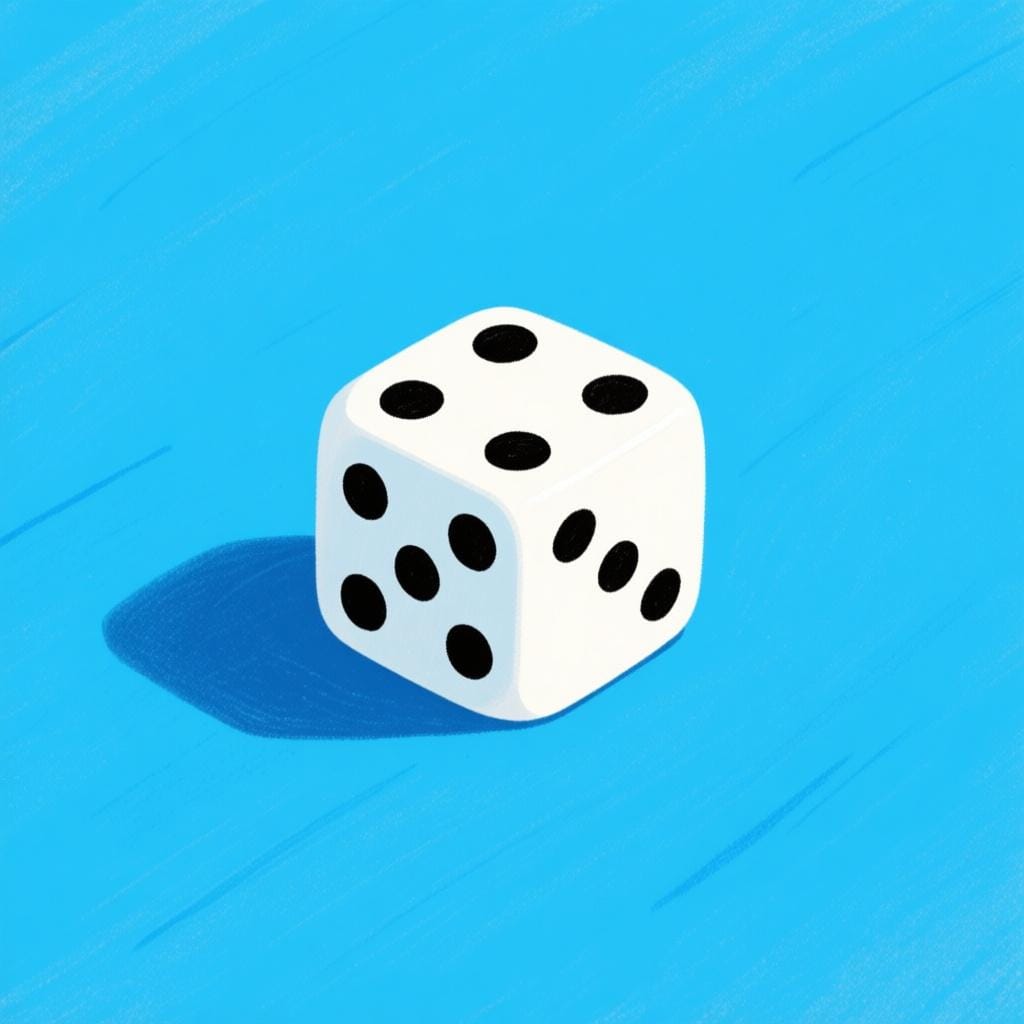
The most common Spanish word for “die” is “dado” — use 'dado' when referring to the singular form of dice used in games and chance-based activities.
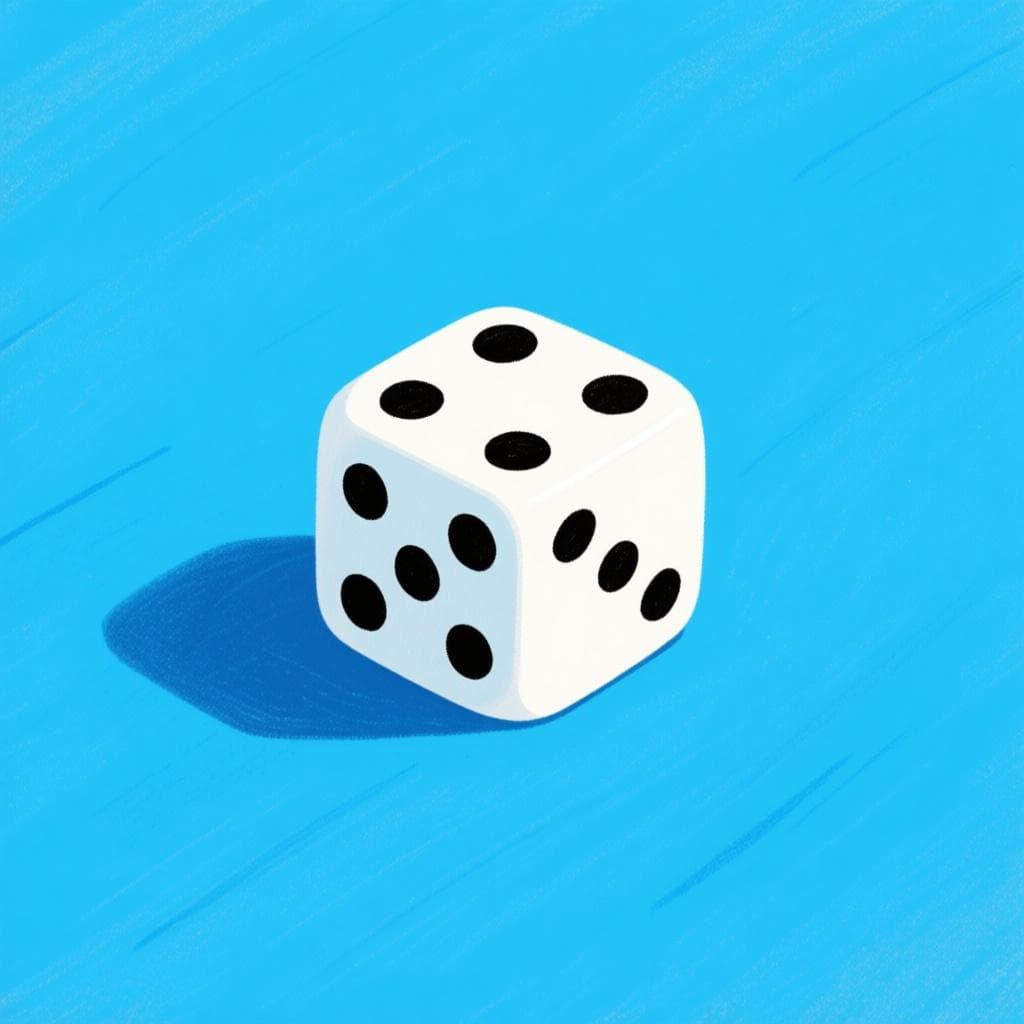
dado
DAH-dohˈda.ðo
Examples
Necesitamos un dado para jugar.
We need a die to play.
Tira el dado y mueve tu ficha.
Roll the die and move your piece.
Me salió un seis en el dado.
I got a six on the die.
Singular vs. Plural
One is 'un dado'. Two or more are 'dos dados'. This is different from English where 'dice' can be singular or plural.
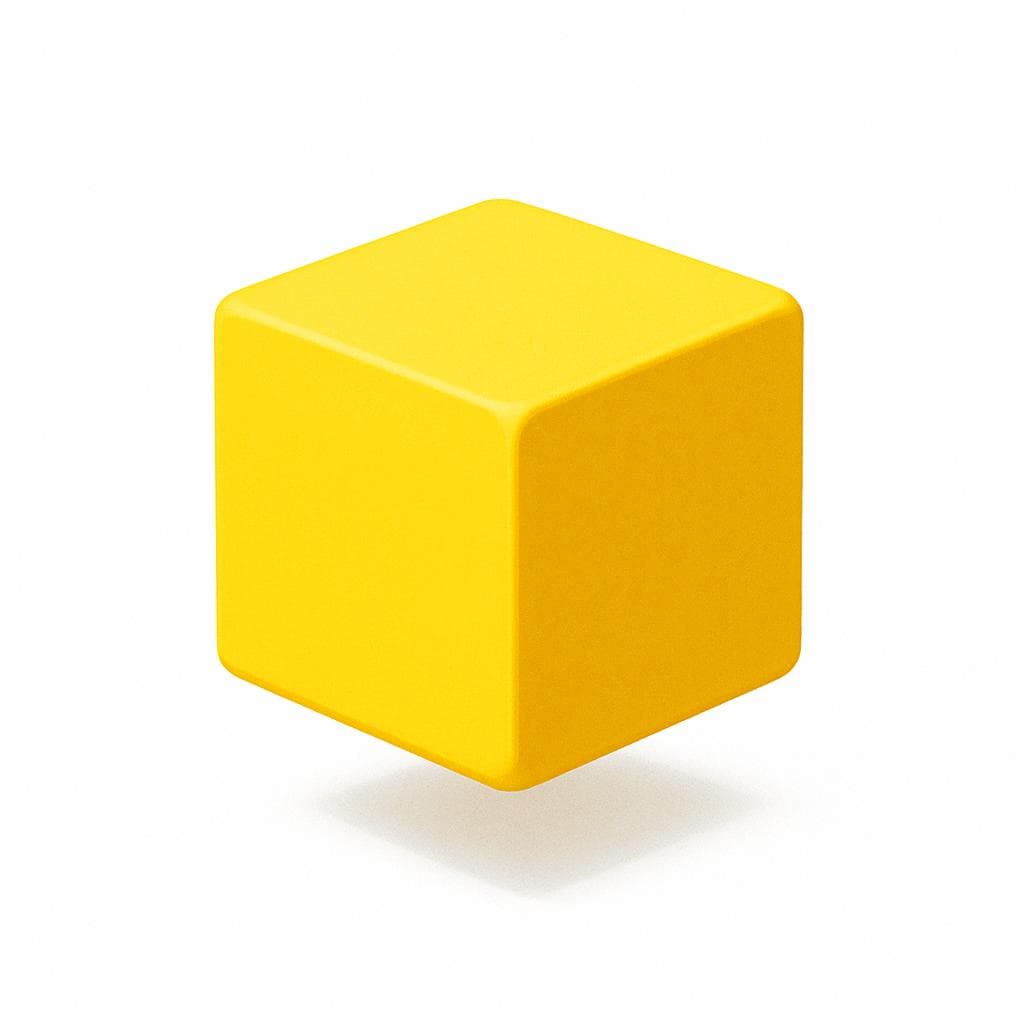
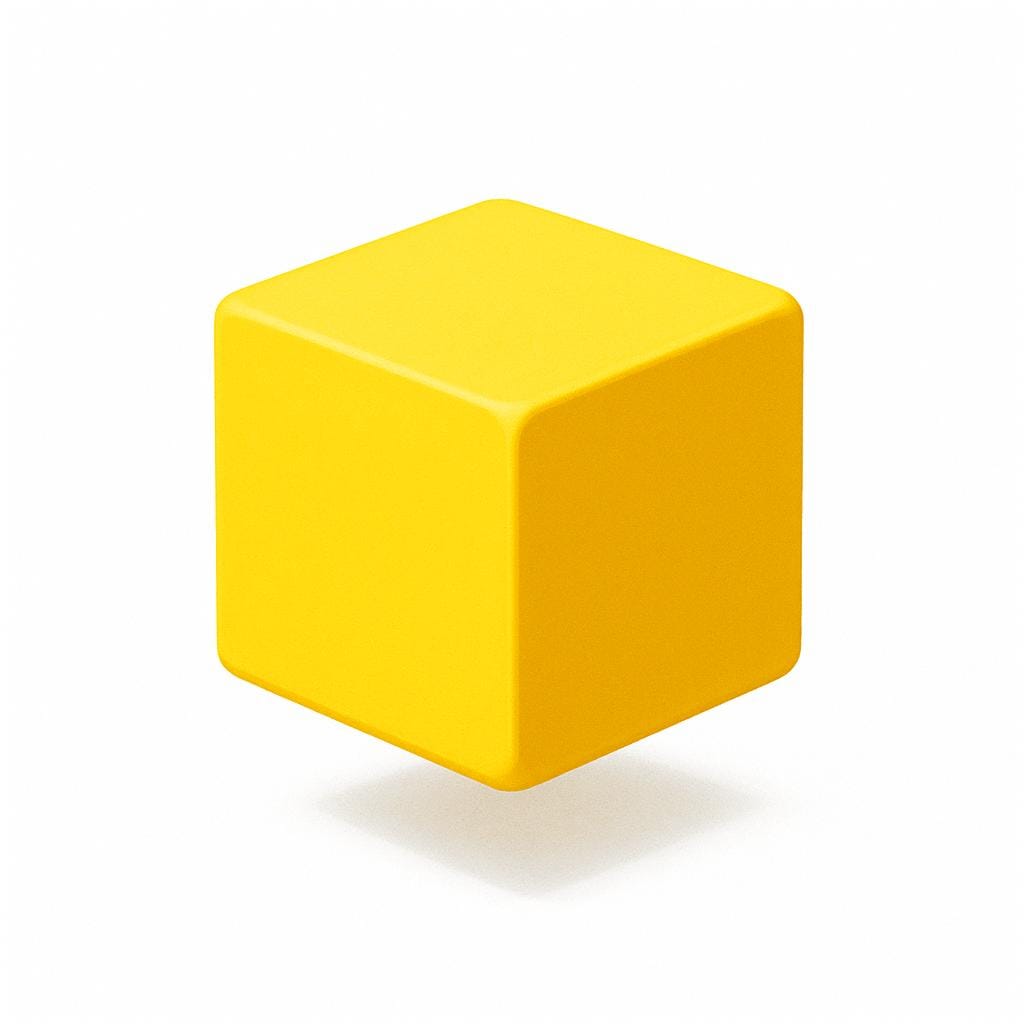
cubo
koo-boˈku.βo
Examples
El volumen de un cubo se calcula elevando la longitud de su lado al cubo.
The volume of a cube is calculated by raising the length of its side to the third power.
Este rompecabezas es un cubo mágico de colores.
This puzzle is a magical colored cube (like a Rubik’s Cube).
Tres al cubo es veintisiete (3³ = 27).
Three cubed is twenty-seven.
Math Usage
When talking about numbers raised to the power of three (e.g., 2³), you use the phrase 'al cubo' (two to the cube).
Game vs. Geometry
Related Translations
Learn Spanish with Inklingo
Interactive stories, personalized learning, and more.