How to Say "diet" in Spanish
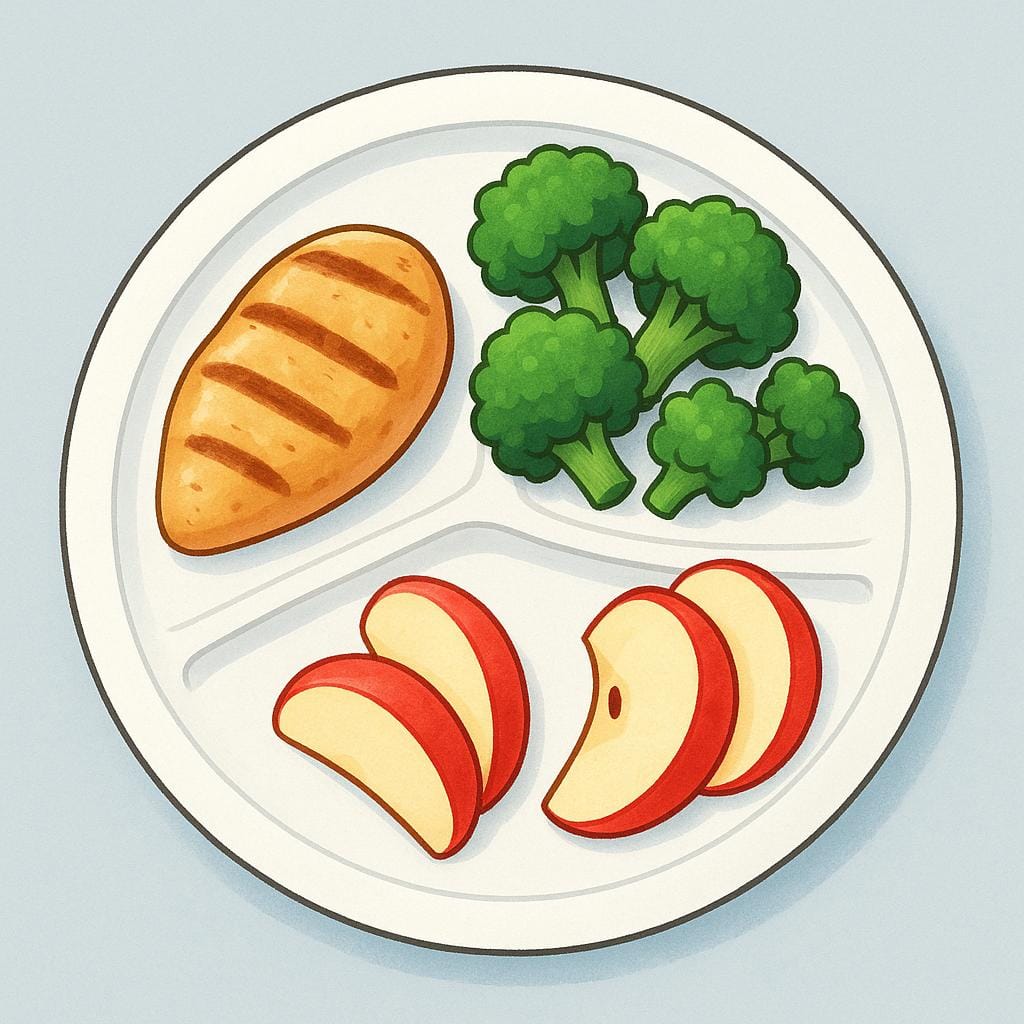
The most common Spanish word for “diet” is “dieta” — use 'dieta' when referring to a specific, often temporary, eating plan designed for weight loss, health improvement, or to manage a condition.
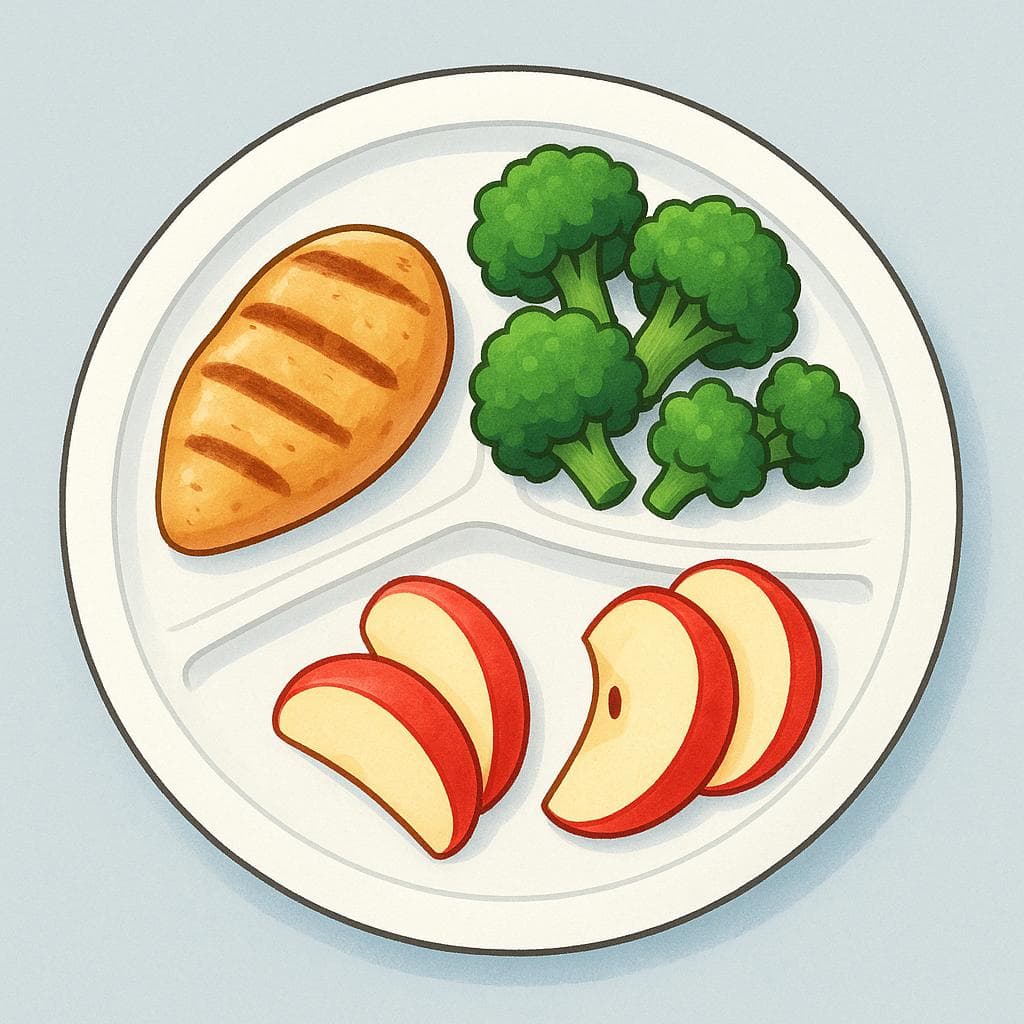
dieta
dee-EH-tahˈdje.ta
Examples
Voy a empezar una dieta baja en carbohidratos esta semana.
I'm going to start a low-carb diet this week.
Estoy a dieta porque quiero comer más sano.
I am on a diet because I want to eat healthier.
Mi doctor me recomendó una dieta baja en sal.
My doctor recommended a low-salt diet to me.
La dieta mediterránea incluye mucho pescado y aceite de oliva.
The Mediterranean diet includes a lot of fish and olive oil.
Using the right preposition
When you talk about following a diet, you must use the preposition 'a': 'estar a dieta' (to be on a diet). You cannot just say 'estar dieta'.
Using 'estar en dieta'
Mistake: “Estoy en dieta.”
Correction: The correct phrase is 'Estoy a dieta.' Think of 'a' as meaning 'in the process of' or 'following the path of'.
alimentación
Examples
Una buena alimentación es clave para la salud.
Good nutrition is key to health.
régimen
Examples
El doctor le recomendó un régimen estricto para su colesterol.
The doctor recommended a strict regimen for his cholesterol.
light
laitlaɪt
Examples
¿Tienes leche desnatada o light?
Do you have skim or light milk?
Prefiero tomar una coca-cola light.
I prefer to have a diet coke.
Compré queso light para la ensalada.
I bought low-fat cheese for the salad.
Esta mayonesa es light pero sabe muy bien.
This mayonnaise is low-calorie but it tastes very good.
One word for everyone
In Spanish, this word usually doesn't change for masculine or feminine. You can say 'un refresco light' or 'una leche light'—it stays exactly the same.
Plural forms
When talking about more than one thing, most people leave the word as 'light' (e.g., 'dos yogures light'), though you might occasionally hear 'lights'.
Don't use it for weight
Mistake: “Este libro es muy light.”
Correction: Use 'ligero' for weight. Say 'Este libro no pesa mucho' or 'Es ligero'. Use 'light' mostly for diet products.
Dieta vs. Alimentación
Related Translations
Learn Spanish with Inklingo
Interactive stories, personalized learning, and more.