How to Say "government" in Spanish
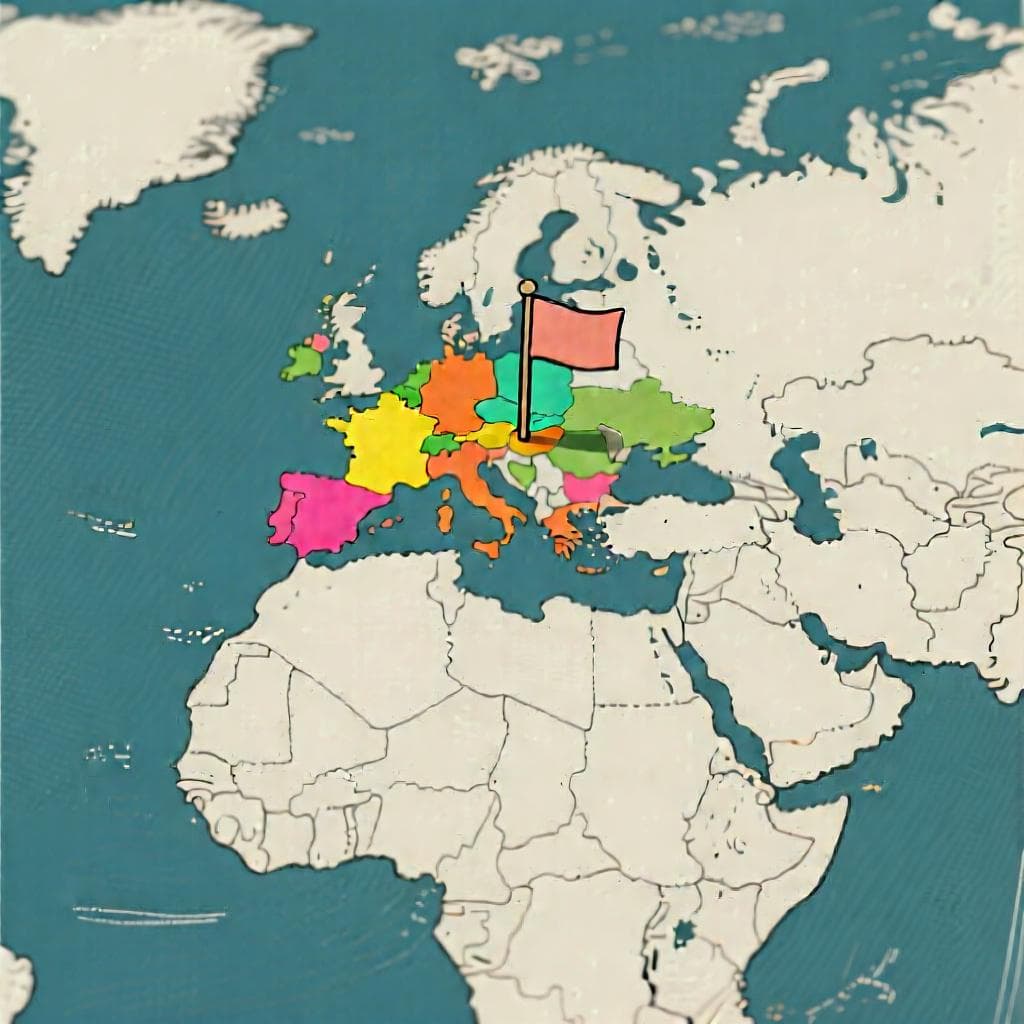
The most common Spanish word for “government” is “gobierno” — use this word for the general institution or body that runs a country or city, or for the collective group of people in power.

gobierno
go-BYEHR-noɡoˈβjeɾ.no

Examples
El gobierno anunció nuevas medidas económicas.
The government announced new economic measures.
Trabajo para el gobierno federal.
I work for the federal government.
El nuevo gobierno tomará posesión la próxima semana.
The new government (administration) will take office next week.
Always Masculine: 'el gobierno'
Even though it ends in '-o', which is usually a good sign for masculine words, it's helpful to just memorize that 'gobierno' is always masculine. You'll always say 'el gobierno' or 'un gobierno'.
Confusing 'Gobierno' and 'Estado'
Mistake: “El estado anunció nuevas leyes.”
Correction: El gobierno anunció nuevas leyes. 'Gobierno' refers to the people currently in charge (the administration), who make announcements. 'Estado' is the whole country and its permanent systems (courts, military, etc.).
administración
Examples
La nueva administración prometió reducir los impuestos.
The new administration (government) promised to reduce taxes.
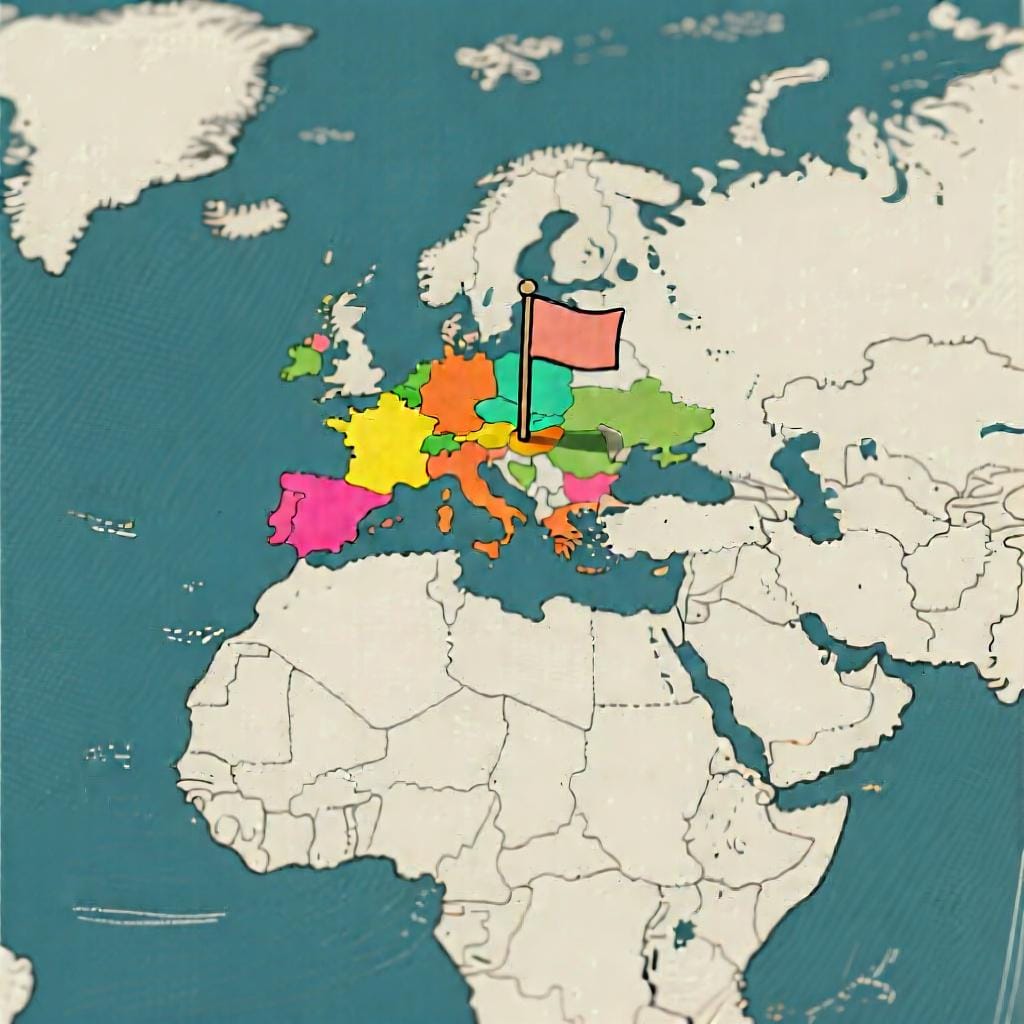
estado
es-TAH-dohesˈta.ðo
Examples
El estado debe garantizar la seguridad de sus ciudadanos.
The state must guarantee the safety of its citizens.
Los Estados Unidos tienen cincuenta estados.
The United States has fifty states.
El jefe de Estado dará un discurso mañana.
The head of state will give a speech tomorrow.
Es una escuela del Estado.
It's a state school (run by the government).
When to Capitalize 'Estado'
When 'Estado' refers to the government or the political institution itself, it's often capitalized, like a proper name. For example: 'El Estado debe proteger a sus ciudadanos' (The State must protect its citizens).
régimen
Examples
La caída del régimen marcó el inicio de una nueva era.
The fall of the regime marked the beginning of a new era.
Choosing between 'gobierno' and 'administración'
Related Translations
Learn Spanish with Inklingo
Interactive stories, personalized learning, and more.