How to Say "dimensions" in Spanish
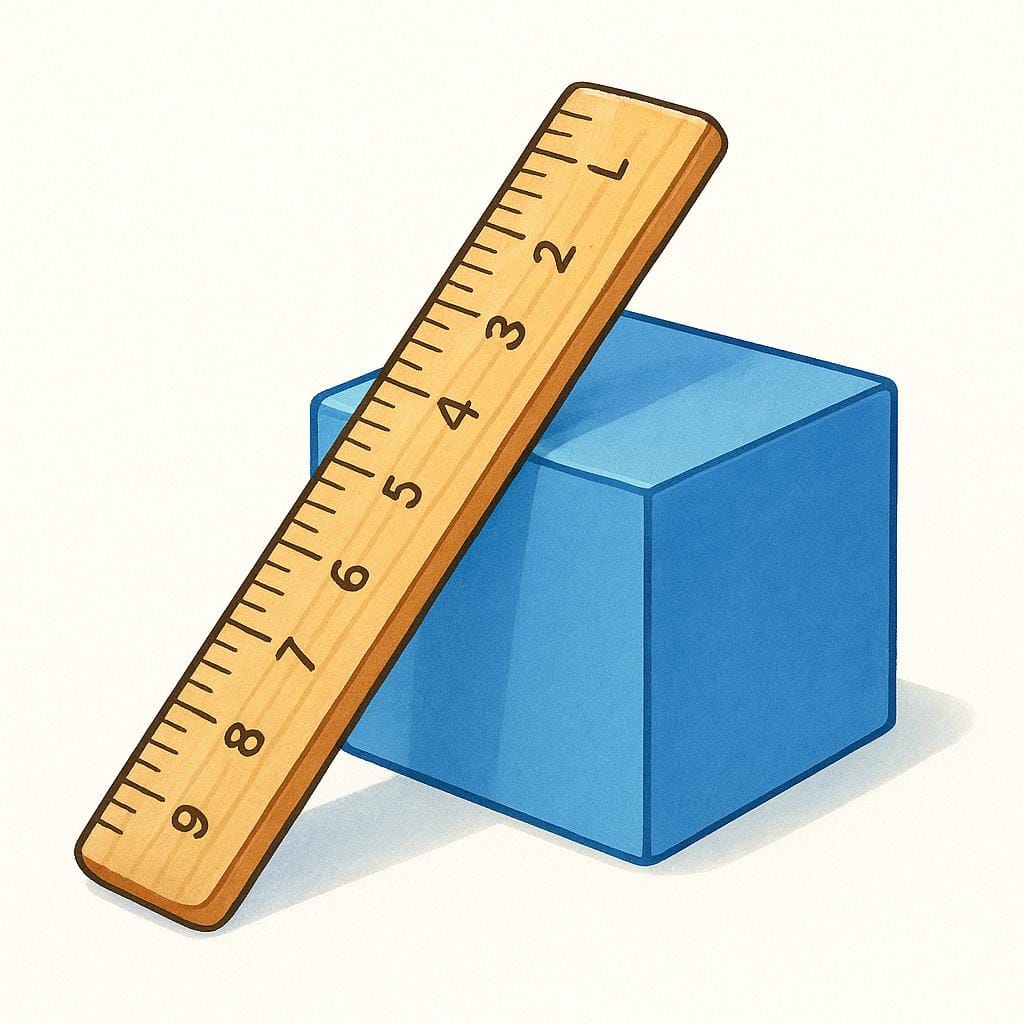
The most common Spanish word for “dimensions” is “medidas” — use 'medidas' when referring to the literal size, length, width, or height of an object, like when taking measurements for furniture or clothing.
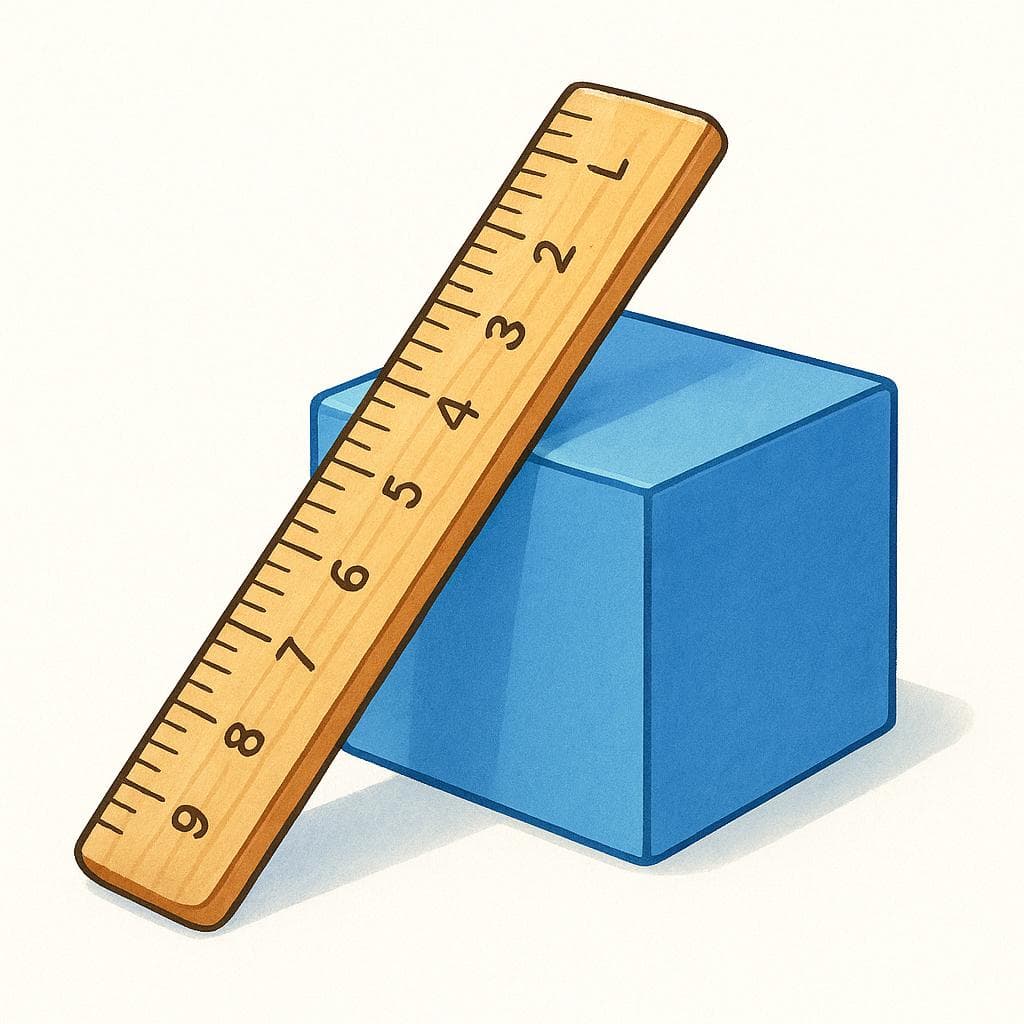
medidas
meh-DEE-dasmeˈðiðas
Examples
Necesito las medidas exactas de la mesa antes de comprar el mantel.
I need the exact measurements of the table before buying the tablecloth.
¿Cuáles son tus medidas de ropa? Creo que eres talla pequeña.
What are your clothing sizes/measurements? I think you are a small size.
Always Plural for Dimensions
When talking about physical size (like height, width, and depth), always use the plural form, 'medidas,' just like we often say 'measurements' in English.
proporción
pro-por-SYOHNpɾopoɾˈsjon
Examples
El incendio alcanzó proporciones épicas.
The fire reached epic proportions.
No te das cuenta de la proporción del problema.
You don't realize the magnitude of the problem.
Es una escultura de grandes proporciones.
It is a sculpture of large dimensions.
Plural for Emphasis
While you can use the singular, Spanish speakers often use the plural 'proporciones' to emphasize that something is very large or serious.
Medidas vs. Proporción
Related Translations
Learn Spanish with Inklingo
Interactive stories, personalized learning, and more.