How to Say "steps" in Spanish
The most common Spanish word for “steps” is “pasos” — use 'pasos' when referring to the physical act of walking, the distance covered by walking, stages in a process, or specific dance/movement sequences.

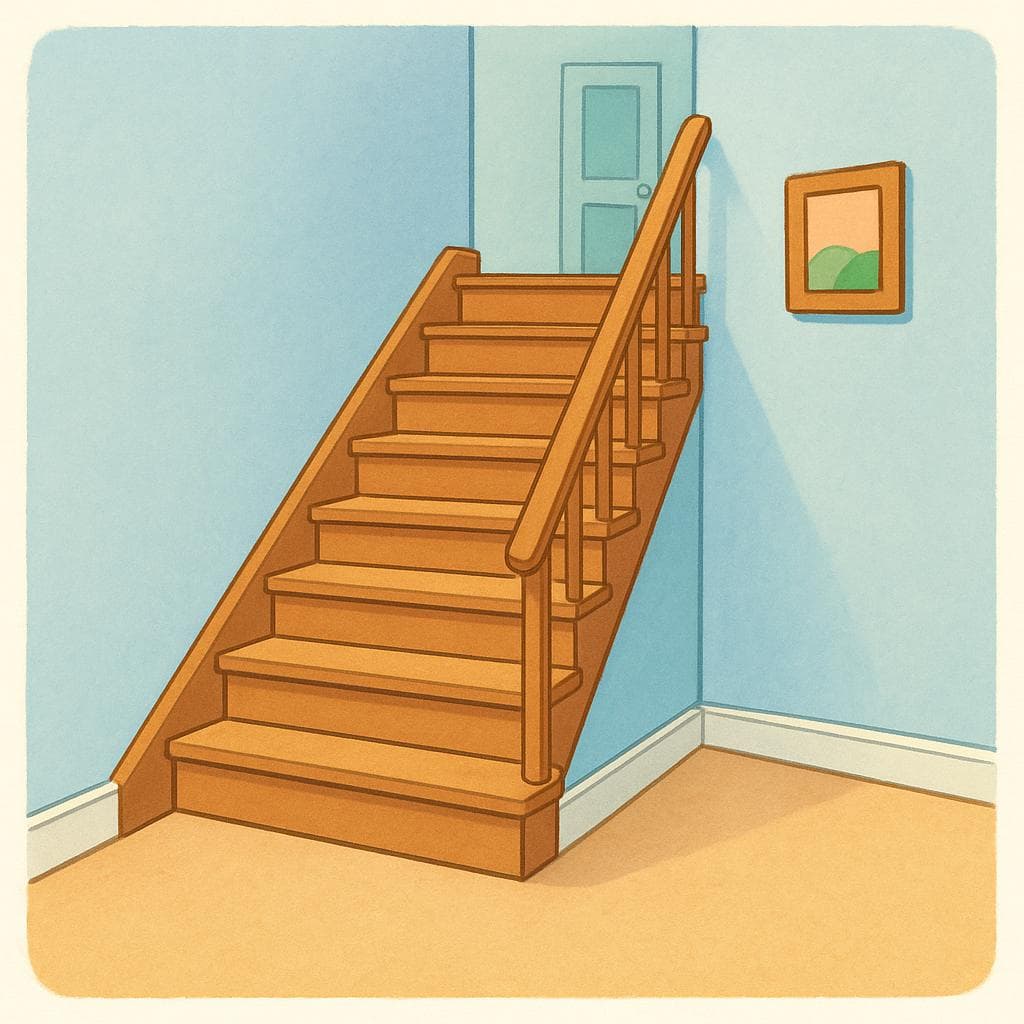


pasos
PAH-sohsˈpasos

Examples
Di cien pasos para llegar a la tienda.
I took a hundred steps to get to the store.
El bebé ya da sus primeros pasos solo.
The baby is already taking his first steps alone.
Necesito acelerar mis pasos si no quiero llegar tarde.
I need to quicken my pace if I don't want to be late.
Tenemos que tomar pasos firmes para reducir el riesgo.
We have to take firm measures to reduce the risk.
Always Plural
Remember that 'pasos' is the plural form of 'paso' (a step). It is always masculine.
Using 'Tomar'
When talking about taking actions or measures, use the verb 'tomar' (to take). Example: 'Tomamos pasos para mejorar.'
escaleras
es-cah-LEH-rases.kaˈle.ɾas
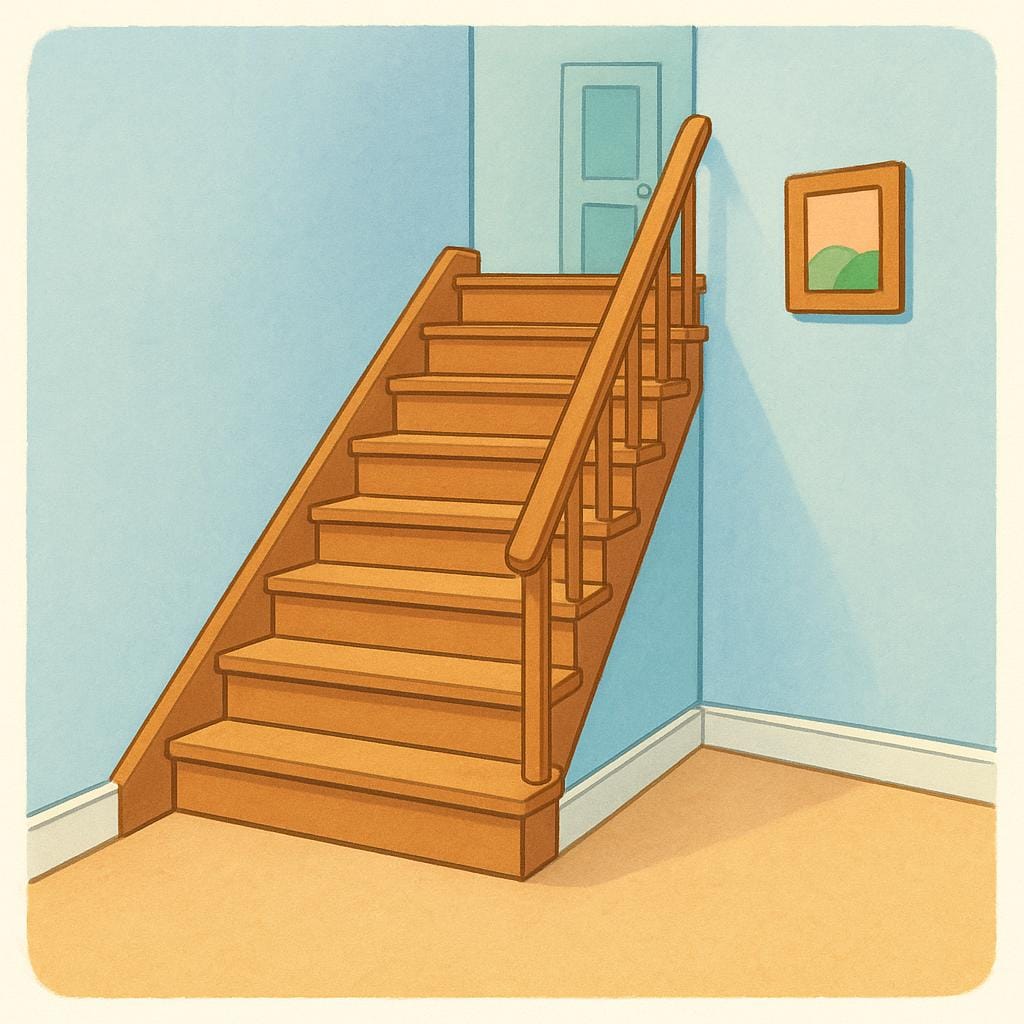
Examples
Subimos las escaleras hasta el tercer piso.
We went up the stairs to the third floor.
¿Dónde están las escaleras de emergencia?
Where are the emergency stairs?
Ten cuidado, las escaleras están resbaladizas.
Be careful, the stairs are slippery.
Always Plural
Even when referring to a single set of stairs or a staircase, Spanish usually uses the plural form, 'las escaleras.' Treat it like 'scissors' or 'trousers' in English—it’s a collective plural.
Feminine Gender
Since this word is feminine and plural, it always uses the article 'las' (las escaleras) and any describing words (adjectives) must also be feminine and plural (escaleras viejas, 'old stairs').
Using the Singular Form
Mistake: “La escalera está limpia. (Trying to refer to a single staircase)”
Correction: Las escaleras están limpias. (Use the plural, even if there is only one set.)
medidas
meh-DEE-dasmeˈðiðas

Examples
El ayuntamiento implementó nuevas medidas para reducir la contaminación.
The city council implemented new measures (or steps) to reduce pollution.
Debemos tomar medidas urgentes para evitar el accidente.
We must take urgent steps/actions to avoid the accident.
Las medidas de seguridad en el aeropuerto son muy estrictas.
The security measures at the airport are very strict.
Action Verb Pairing
When 'medidas' means 'actions' or 'steps,' it almost always pairs with the verb 'tomar' (to take). The phrase 'tomar medidas' is the standard way to say 'to take action.'
acciones
ak-SYOH-nesakˈθjones

Examples
Las acciones de la policía fueron rápidas y efectivas.
The actions of the police were fast and effective.
Necesitamos tomar acciones inmediatas para arreglar la situación.
We need to take immediate steps to fix the situation.
Sus buenas acciones siempre inspiran a otros.
His good deeds always inspire others.
Feminine Plural
Remember that 'acciones' is always plural and feminine, so any descriptive words (adjectives) used with it must also be plural and feminine, like 'acciones rápidas' (fast actions).
Gender confusion
Mistake: “El acciones”
Correction: La acción (singular) / Las acciones (plural). This word is feminine because it ends in '-ción'.
Confusing 'pasos' with 'medidas' and 'acciones'
Related Translations
Learn Spanish with Inklingo
Interactive stories, personalized learning, and more.