How to Say "measures" in Spanish
The most common Spanish word for “measures” is “medidas” — use 'medidas' when referring to actions, steps, or policies implemented to achieve a specific goal or solve a problem, especially in a formal or official context.

medidas
meh-DEE-dasmeˈðiðas
Examples
El gobierno tomó medidas drásticas para controlar la inflación.
The government took drastic measures to control inflation.
El ayuntamiento implementó nuevas medidas para reducir la contaminación.
The city council implemented new measures (or steps) to reduce pollution.
Debemos tomar medidas urgentes para evitar el accidente.
We must take urgent steps/actions to avoid the accident.
Las medidas de seguridad en el aeropuerto son muy estrictas.
The security measures at the airport are very strict.
Action Verb Pairing
When 'medidas' means 'actions' or 'steps,' it almost always pairs with the verb 'tomar' (to take). The phrase 'tomar medidas' is the standard way to say 'to take action.'
pasos
PAH-sohsˈpasos
Examples
Estamos dando los pasos necesarios para mejorar la seguridad.
We are taking the necessary measures to improve security.
Tenemos que tomar pasos firmes para reducir el riesgo.
We have to take firm measures to reduce the risk.
Los primeros pasos del proyecto son definir el presupuesto.
The first steps of the project are defining the budget.
Ella siguió todos los pasos de la receta al pie de la letra.
She followed all the steps of the recipe precisely.
Using 'Tomar'
When talking about taking actions or measures, use the verb 'tomar' (to take). Example: 'Tomamos pasos para mejorar.'
arreglos
ah-RREH-glohs (the 'rr' is rolled)aˈreɣlos

Examples
Hicimos todos los arreglos para la fiesta de cumpleaños.
We made all the arrangements for the birthday party.
Ya hicimos todos los arreglos para el viaje a la playa.
We already made all the arrangements for the trip to the beach.
Ella se encarga de los arreglos de la boda.
She is in charge of the wedding arrangements.
Using 'Hacer'
The most common way to talk about making plans is using the verb 'hacer': 'hacer arreglos' (to make arrangements).
mide
MEE-dehˈmiðe
Examples
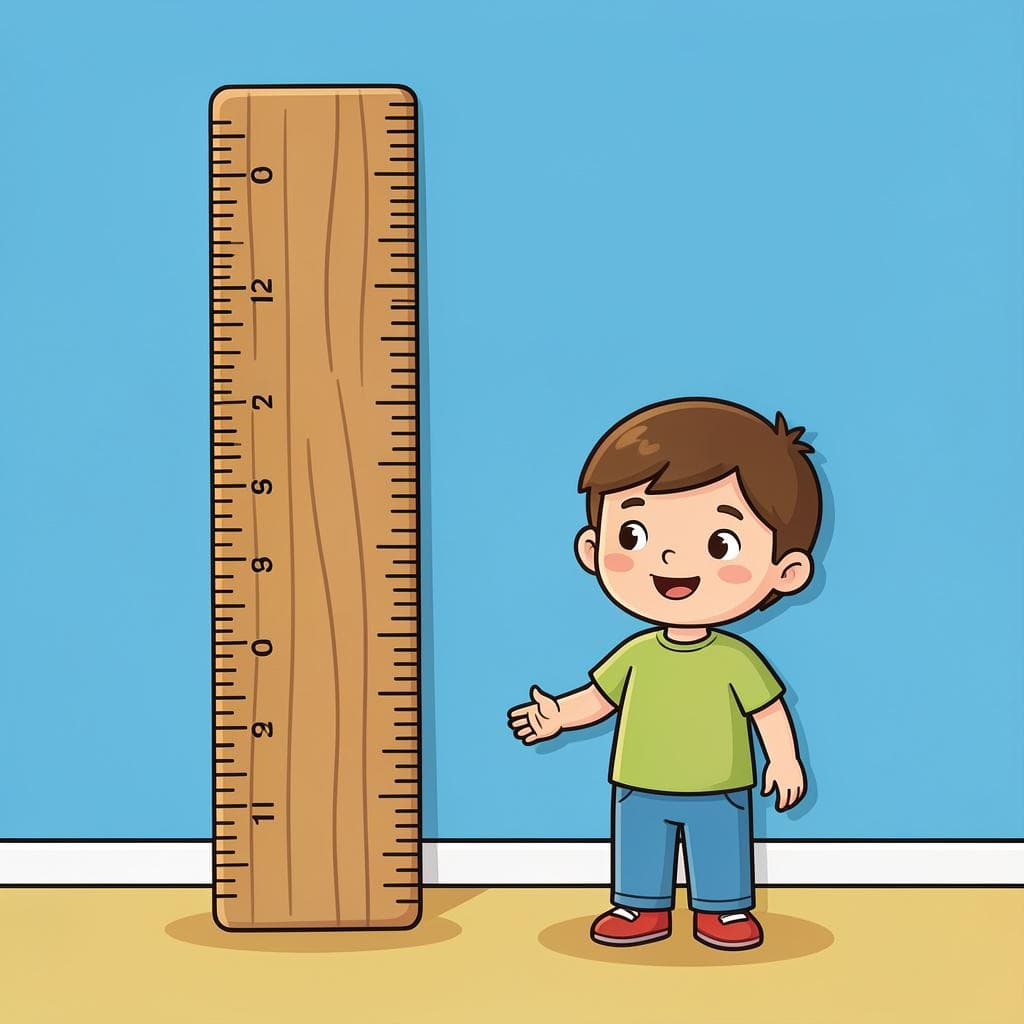
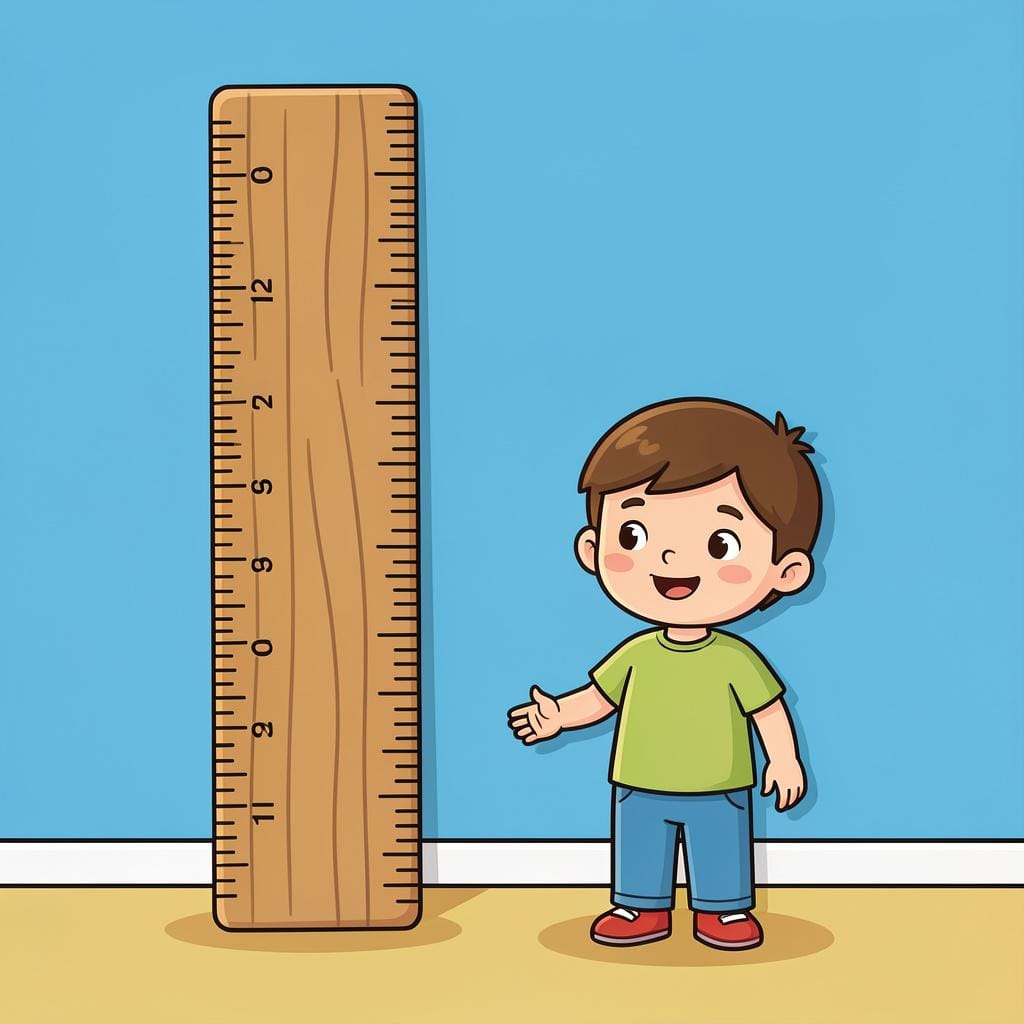
¿Cuánto mide esta habitación?
How many measures (how big) is this room?
Mi hermano mide un metro ochenta.
My brother is one meter eighty tall.
La mesa mide dos metros de largo.
The table measures two meters long.
Él mide la harina para el pastel.
He measures the flour for the cake.
The 'E' to 'I' Swap
In the word 'mide', the original 'e' from the base word 'medir' changes to an 'i'. This happens in most present tense forms except for 'we' and 'you all'.
Describing Height
In English, we say 'I am six feet tall.' In Spanish, we use this word: 'Mido seis pies' (I measure six feet).
Using 'Ser' for height
Mistake: “Él es 1.80 metros.”
Correction: Él mide 1.80 metros. While 'es' isn't always wrong in casual talk, 'mide' is the standard way to state a measurement.
barras
BAH-rrasˈbaras
Examples
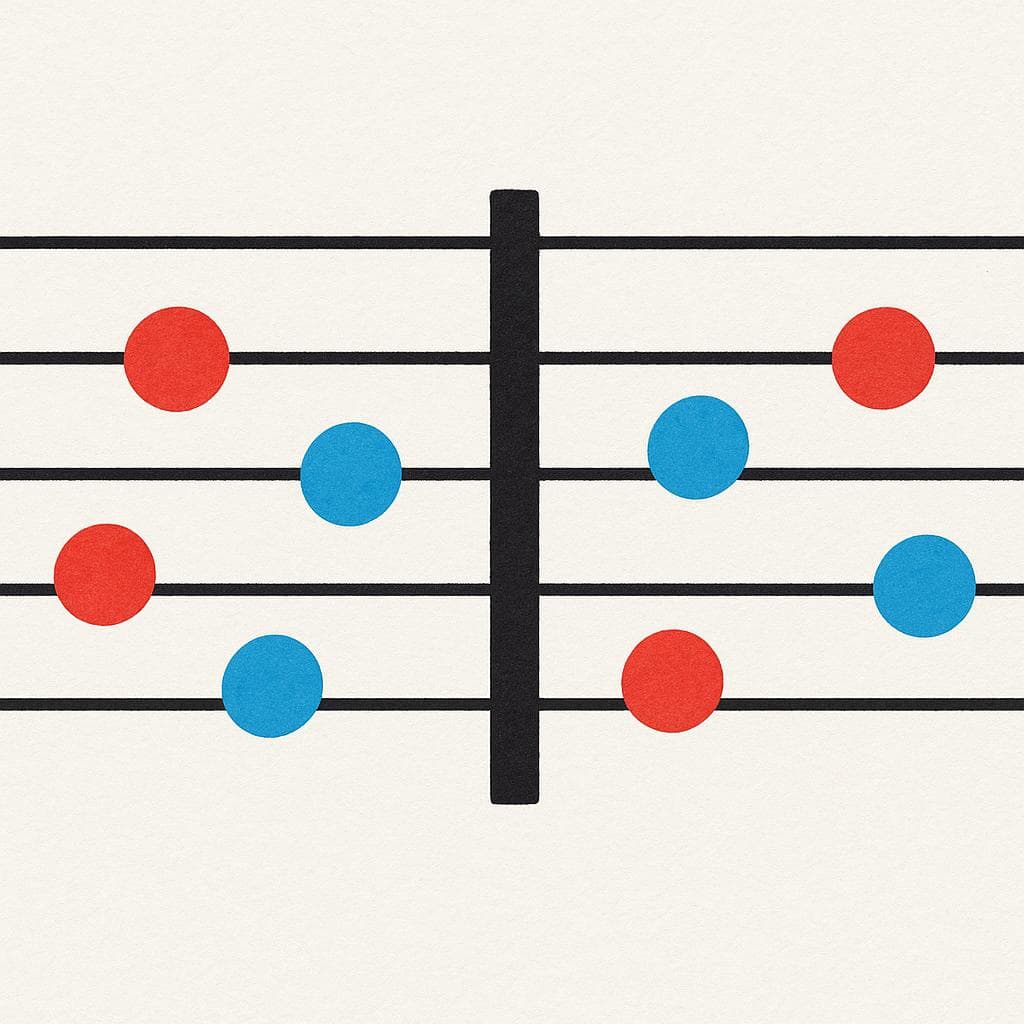
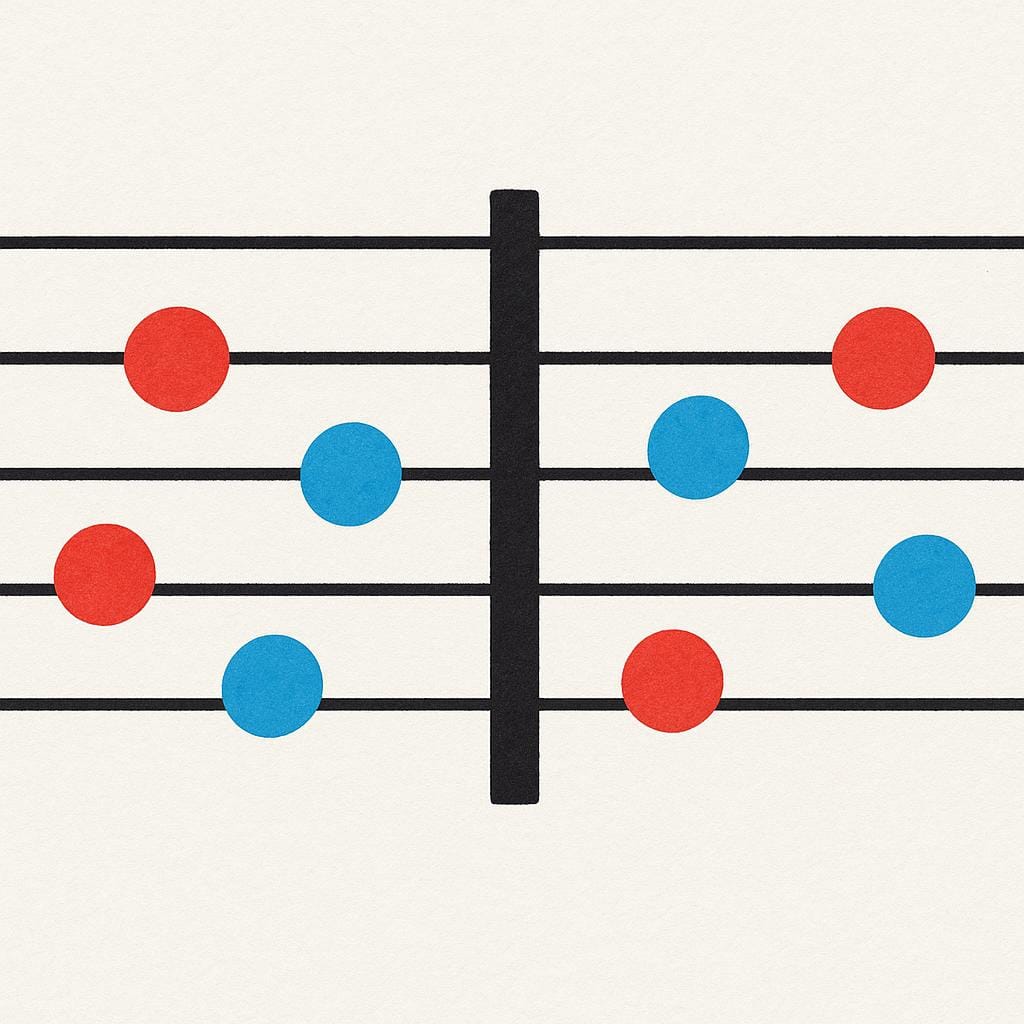
El director de orquesta indicó el cambio de compás en la barra 32.
The conductor indicated the time change at measure 32.
El ejercicio de gimnasia requiere mucha fuerza en las barras.
The gymnastics routine requires a lot of strength on the bars.
Esta canción tiene 32 barras en el coro.
This song has 32 measures in the chorus.
Actualiza la página y verás la barra de progreso.
Refresh the page and you will see the progress bar.
Medidas vs. Pasos
Related Translations
Learn Spanish with Inklingo
Interactive stories, personalized learning, and more.