How to Say "downcast" in Spanish
The most common Spanish word for “downcast” is “abatido” — use 'abatido' when describing someone who is dejected, dispirited, or utterly discouraged, often as a result of specific bad news or a setback.

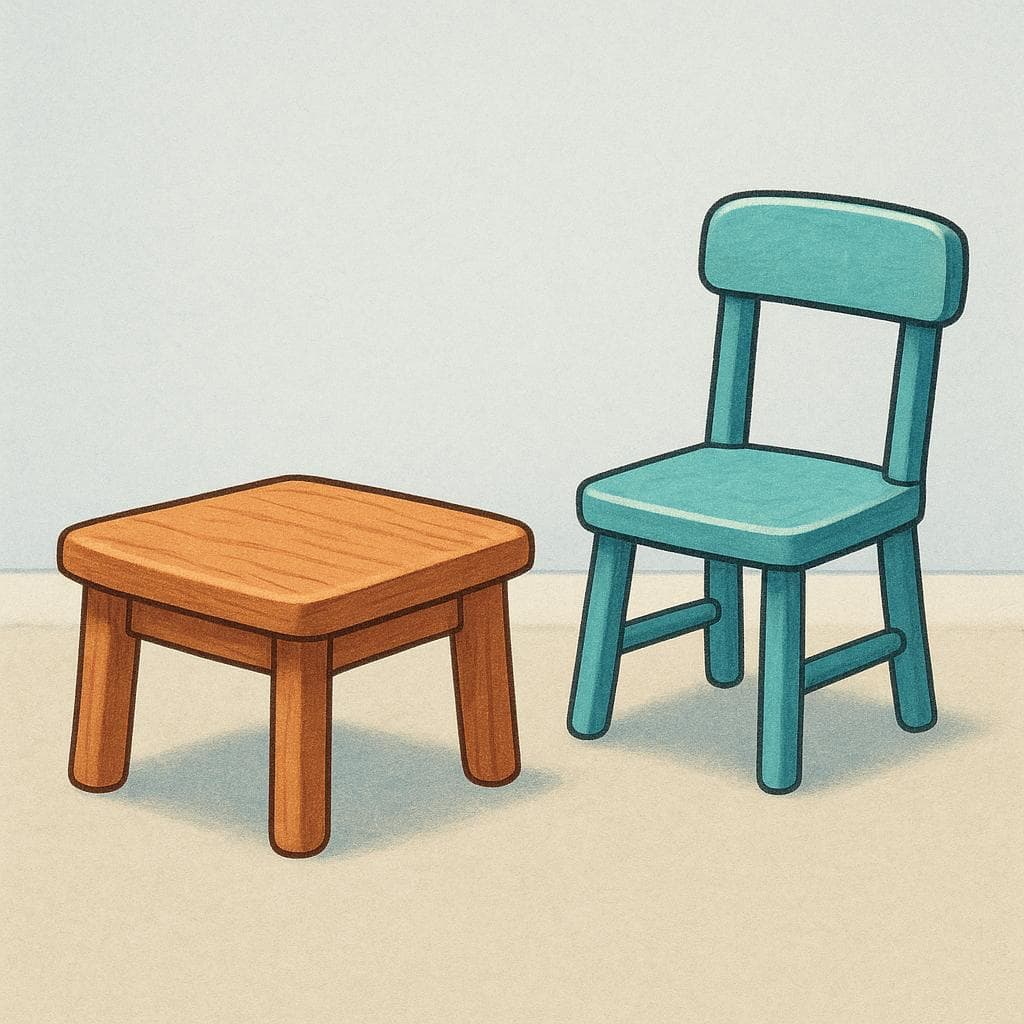
abatido
ah-bah-TEE-doha.βaˈti.ðo

Examples
Se sentía abatido después de recibir las malas noticias.
He felt dejected after receiving the bad news.
Caminaba con la mirada abatida y los hombros caídos.
He walked with a downcast gaze and slumped shoulders.
El equipo regresó abatido tras la derrota en la final.
The team returned discouraged after the loss in the final.
Using 'Estar' for Moods
Use 'estar' with 'abatido' when describing how someone feels right now, as it describes a temporary emotional state.
Matching Gender
Remember to change the ending to 'abatida' if you are describing a woman or a feminine noun.
Abatido vs. Cansado
Mistake: “Using 'abatido' to mean just 'sleepy'.”
Correction: Use 'abatido' for deep emotional sadness or total exhaustion, not just being ready for bed.
caído
Examples
Sus ánimos caídos no le permitían concentrarse.
His low spirits did not allow him to concentrate.
baja
BA-haˈbaxa
Examples
Con una mirada baja, evitaba el contacto visual.
With a downcast gaze, he avoided eye contact.
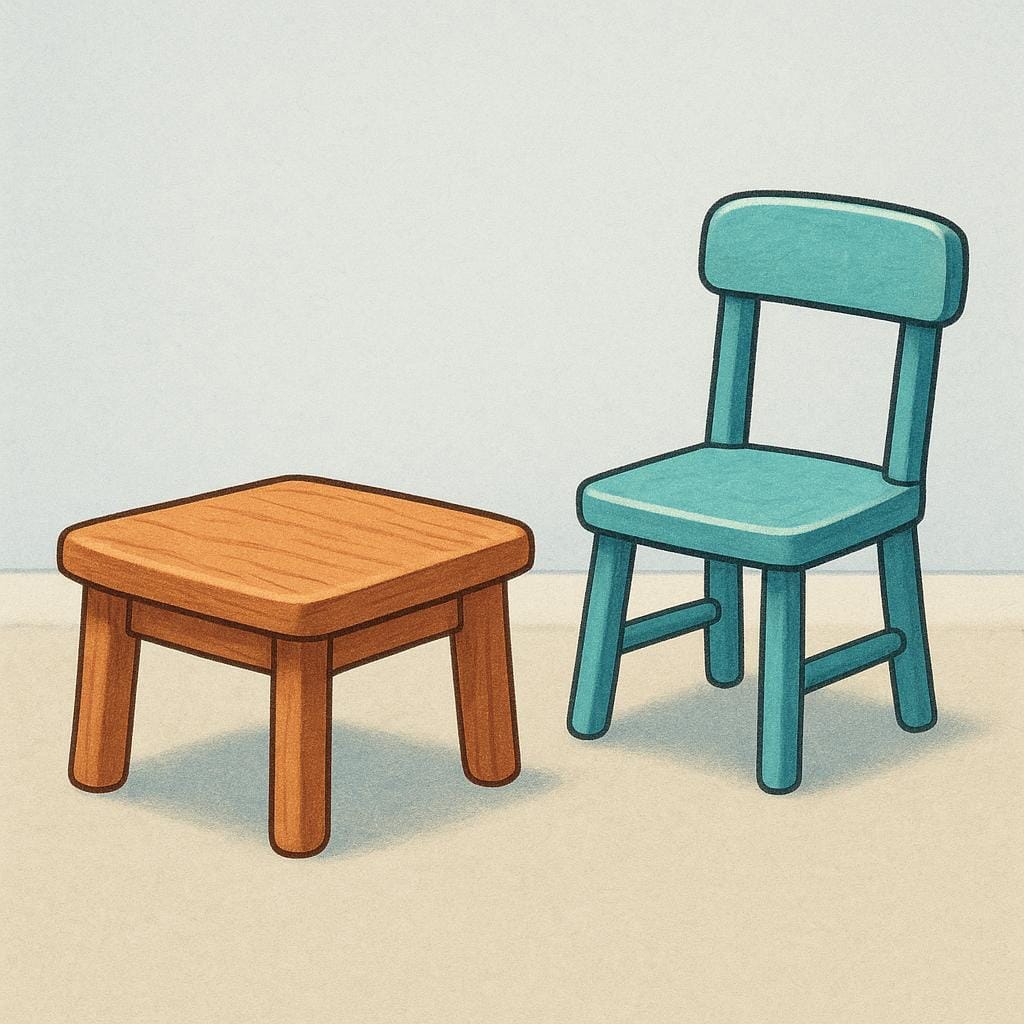
La mesa es muy baja para mí.
The table is too low for me.
Mi hermana es más baja que yo.
My sister is shorter than me.
Habla con la voz más baja, por favor.
Speak with a lower voice, please.
Matching the Noun
'Baja' is the feminine form of the adjective 'bajo'. You must use 'baja' to describe feminine things, like 'la mesa' (the table) or 'la silla' (the chair). For masculine things, you use 'bajo', like 'el precio bajo' (the low price).
Mixing up 'baja' and 'corta'
Mistake: “La falda es muy baja.”
Correction: La falda es muy corta. Use 'corta' for the length of objects like skirts or pants. Use 'baja' for height or level, like a low table or a short person.
Distinguishing 'Abatido' from 'Caído' and 'Baja'
Learn Spanish with Inklingo
Interactive stories, personalized learning, and more.