How to Say "drought" in Spanish
The most common Spanish word for “drought” is “sequía” — use 'sequía' for a general, long-term lack of rainfall, often impacting a wide area or causing significant environmental or societal issues.
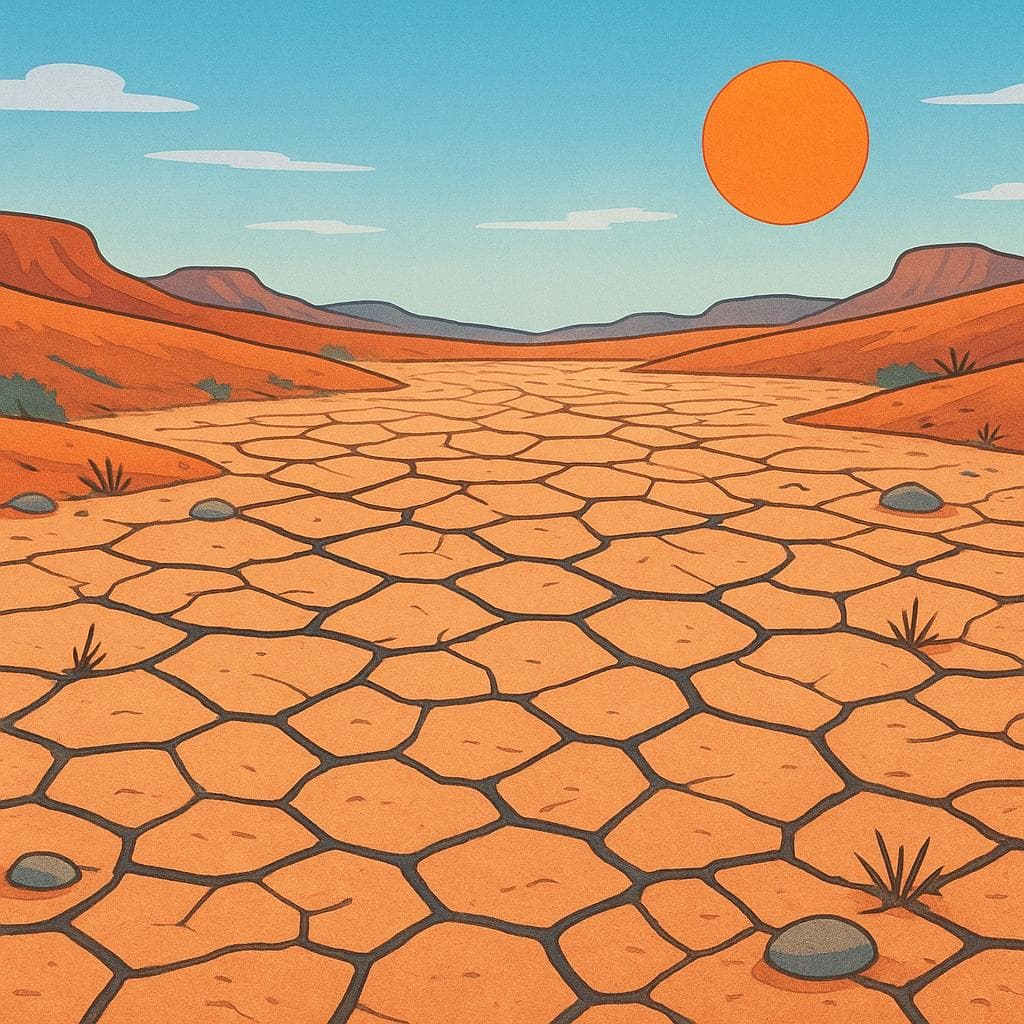
sequía
Examples
Muchos países están sufriendo una sequía severa.
Many countries are suffering from a severe drought.
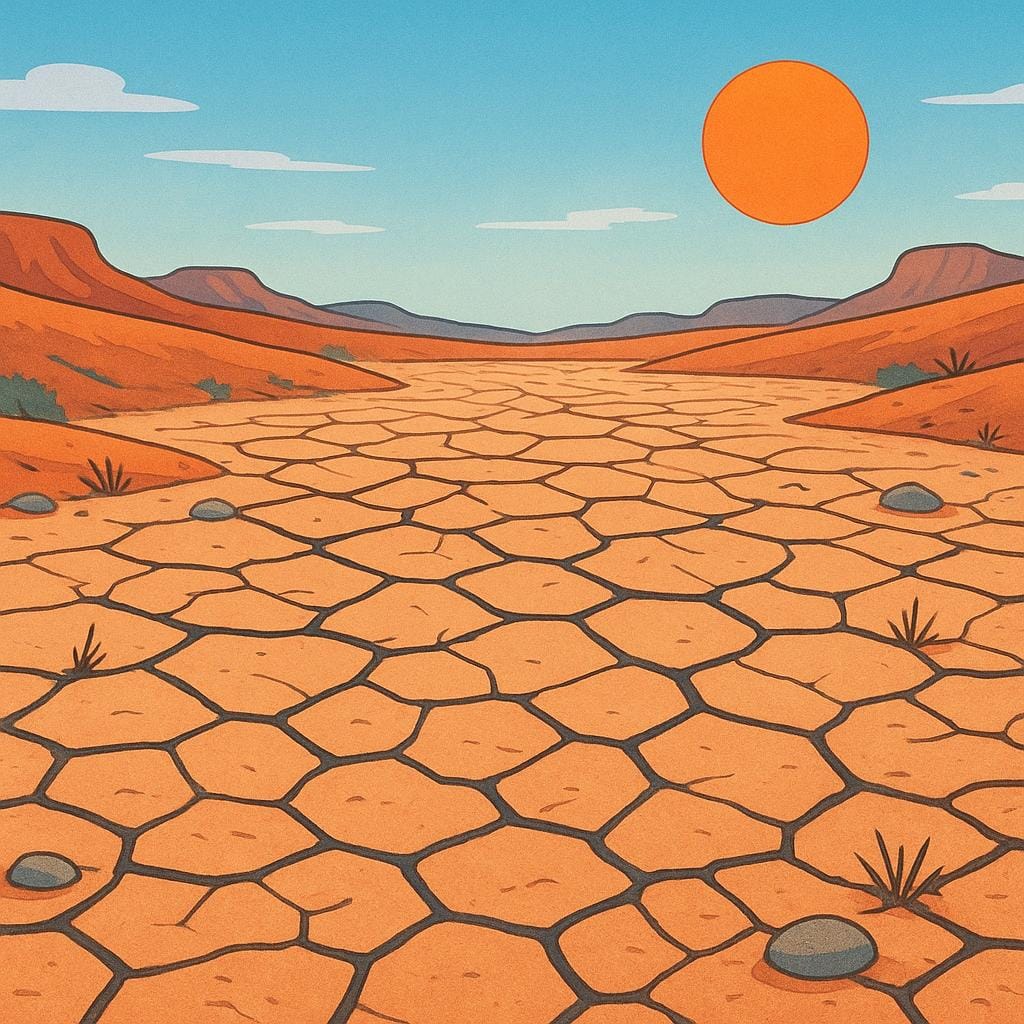
seca
SEH-kahˈse.ka
Examples
La cosecha se perdió por la gran seca de este verano.
The harvest was lost due to the great drought this summer.
Estamos esperando las lluvias para que termine la seca.
We are waiting for the rains for the dry spell to end.
Noun/Adjective Distinction
When used as a noun, it almost always refers to a weather event (drought). The more common word for 'drought' is 'sequía', but 'seca' is widely understood, especially regionally.
General vs. Specific Drought
Related Translations
Learn Spanish with Inklingo
Interactive stories, personalized learning, and more.