How to Say "thin" in Spanish
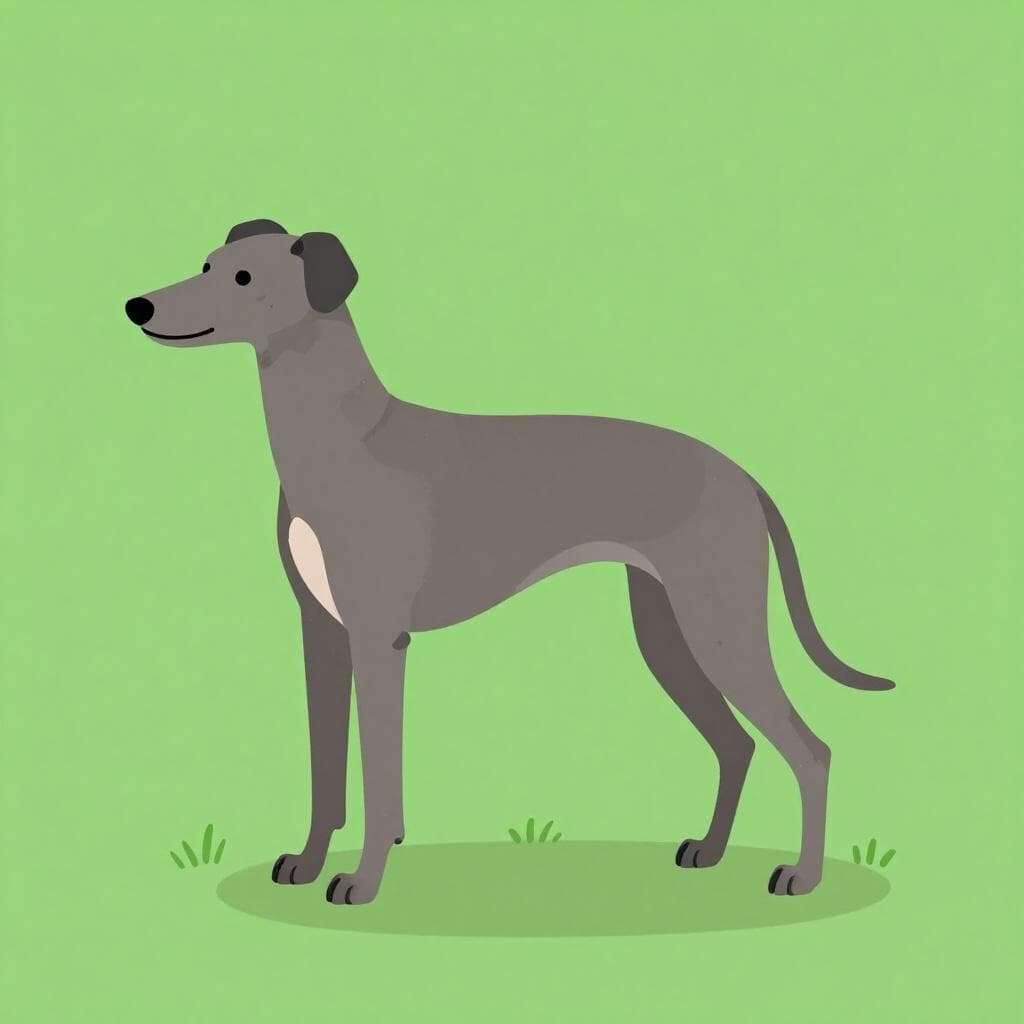
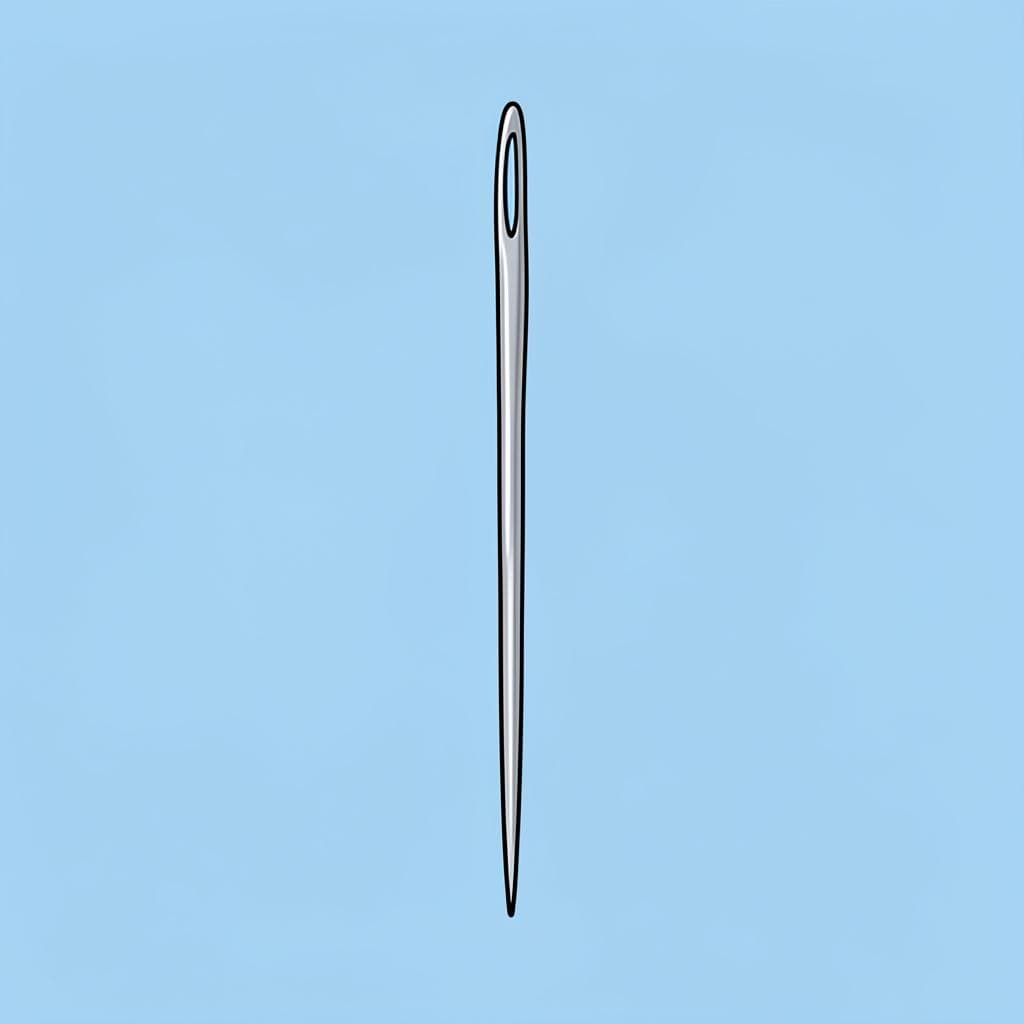
The most common Spanish word for “thin” is “delgado” — use 'delgado' to describe a person or animal that is slender or not overweight, or to refer to the narrowness of an object like a wall or a piece of paper.



delgado
del-GAH-dohdelˈɣaðo

Examples
Mi hermano es muy alto y delgado.
My brother is very tall and thin.
Después de la enfermedad, el perro se veía muy delgado.
After the illness, the dog looked very thin.
Ella prefiere usar ropa que la haga ver más delgada.
She prefers to wear clothes that make her look slimmer.
La pared es muy delgada y se escucha todo.
The wall is very thin and you can hear everything.
Gender and Number Agreement
Since 'delgado' is a descriptive word (adjective), its ending must match the person or thing it describes: 'el chico delgado' (masculine singular), 'la chica delgada' (feminine singular), 'los chicos delgados' (masculine plural).
Describing Consistency
You can use 'delgado' to describe liquids or foods that are watery or lack body, like a light sauce or weak coffee. It means the consistency is 'thin.'
Mixing up Delgadez and Flacura
Mistake: “Using 'flaco' in a formal context when you mean 'slim' or 'slender'.”
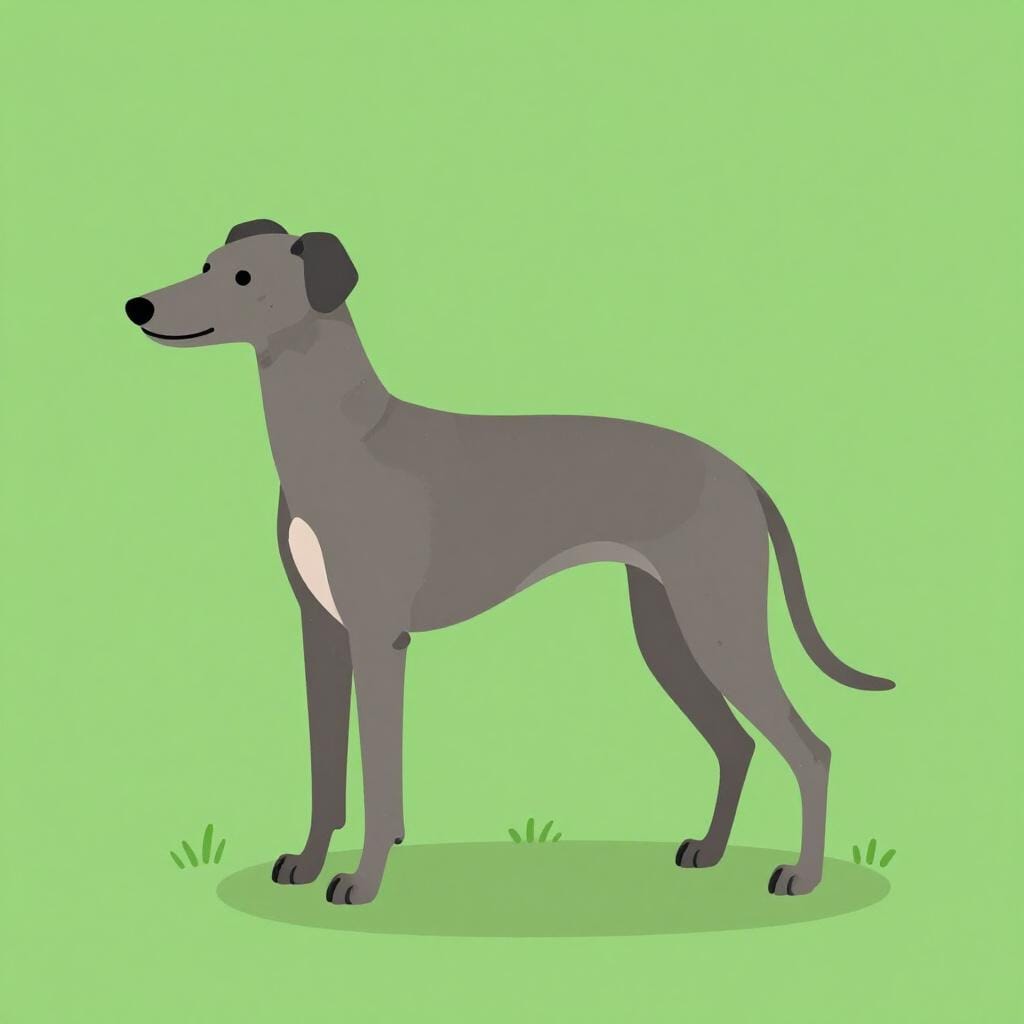
Correction: 'Delgado' is generally the safer and more neutral choice. 'Flaco' often implies being unhealthily or overly skinny.
flaco
fla-koˈfla.ko
Examples
Mi hermano es muy flaco porque hace mucho deporte.
My brother is very thin because he does a lot of sports.
Estás más flaco que la última vez que te vi.
You are thinner than the last time I saw you.
Prefiero comprar carne flaca para la cena.
I prefer to buy lean meat for dinner.
Choosing Between 'Ser' and 'Estar'
Use 'ser' if the person is naturally thin. Use 'estar' if you want to say someone looks thin today or has recently lost weight.
Matching the Gender
Don't forget to change the ending! Use 'flaco' for men/masculine things and 'flaca' for women/feminine things.
Flaco vs. Delgado
Mistake: “Using 'flaco' in a formal doctor's report.”
Correction: Use 'delgado'. 'Flaco' is common but 'delgado' is more polite and professional.
fino
fee-nohˈfino
Examples
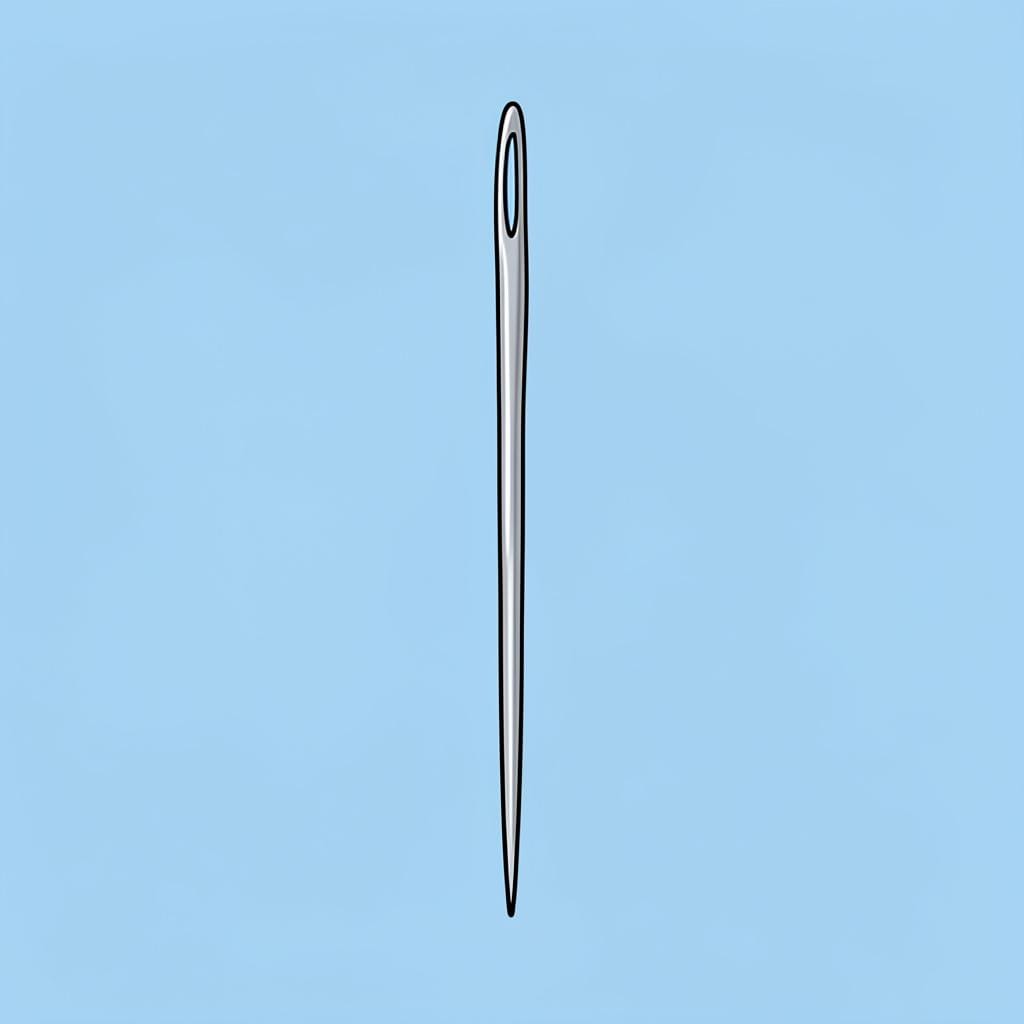
Dibuja una línea muy fina con el lápiz.
Draw a very thin line with the pencil.
La arena de esta playa es muy fina.
The sand on this beach is very fine.
Matching the Gender
Remember to change the ending to 'fina' if the object you are describing is feminine, like 'la mesa fina'.
Fino vs. Delgado
Mistake: “Using 'fino' to describe a person who has lost weight.”
Correction: Use 'delgado' for people. Use 'fino' for objects or textures like paper, hair, or sand.
ligera
lee-HEH-rahliˈxe.ɾa

Examples
Esta maleta es muy ligera, perfecta para viajar.
This suitcase is very light, perfect for traveling.
Necesito una bufanda ligera para la primavera.
I need a lightweight scarf for spring.
Agreement is Key
Since 'ligera' is an adjective, it must match the thing it describes. Use 'ligera' only for feminine singular nouns (like 'mesa' or 'mochila').
Using the wrong form
Mistake: “La caja es muy ligero.”
Correction: La caja es muy ligera. ('Caja' is feminine, so the adjective must end in -a.)
seca
SEH-kahˈse.ka

Examples
La ropa ya está completamente seca. Podemos guardarla.
The clothes are already completely dry. We can put them away.
Ella es muy seca con sus respuestas, no le gusta hablar mucho.
She is very blunt (or sharp) with her answers; she doesn't like to talk much.
Necesitas regar la planta; la tierra está muy seca.
You need to water the plant; the soil is very dry.
Adjective Agreement
Remember that 'seca' is the feminine form. If you are describing a masculine object (like 'el suelo'), you must use 'seco'.
Confusing Adjective and Verb
Mistake: “Using 'seca' (adjective) when you mean the action of drying (verb).”
Correction: Make sure your sentence structure requires a descriptive word, not an action word. 'La pared está seca' (The wall is dry). 'La secadora seca la pared' (The dryer dries the wall).
Delgado vs. Flaco
Learn Spanish with Inklingo
Interactive stories, personalized learning, and more.