How to Say "elders" in Spanish
The most common Spanish word for “elders” is “ancianos” — use 'ancianos' when referring to elderly people in a respectful manner, often emphasizing their wisdom or importance within a community.
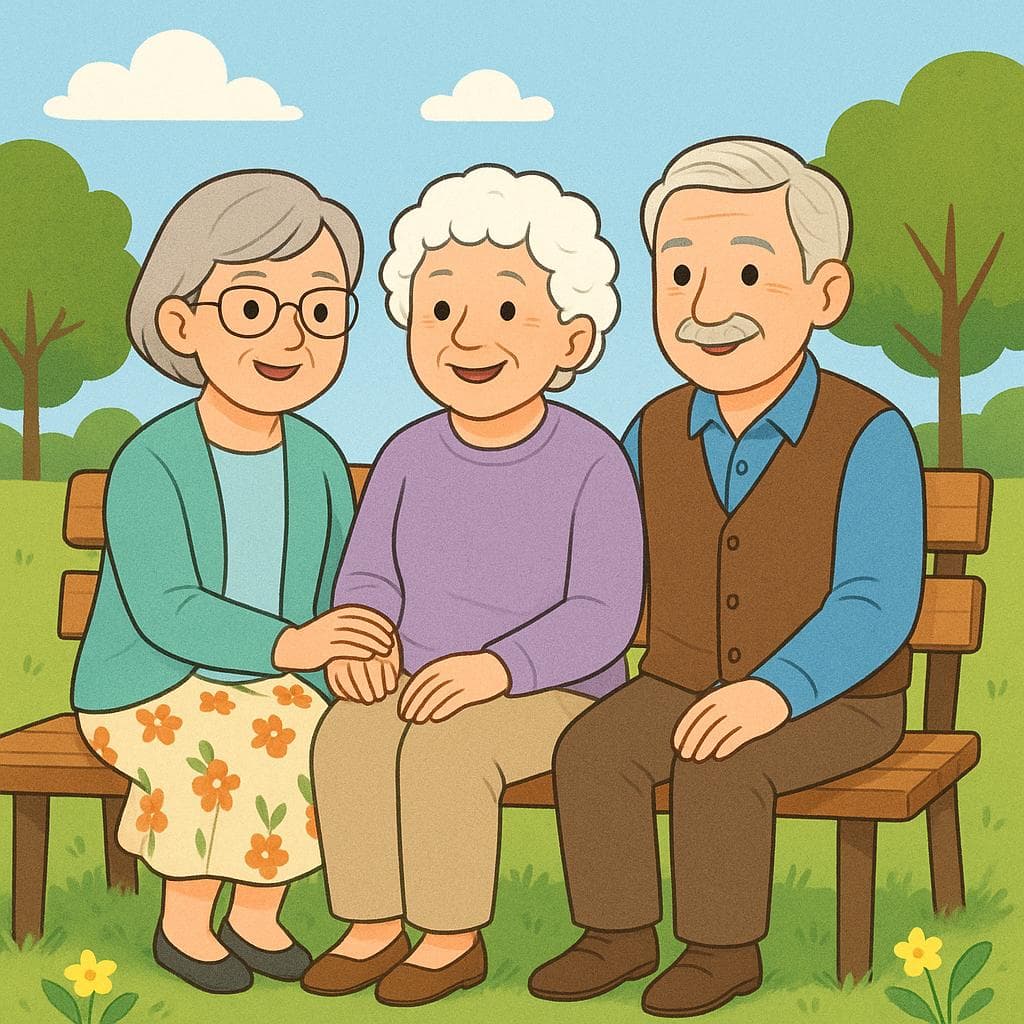

ancianos
ahn-SYAH-nohsanˈsjanos
Examples
Los ancianos de la comunidad merecen nuestro respeto.
The elders of the community deserve our respect.
Hay un centro especial para los ancianos en el barrio.
There is a special center for elders in the neighborhood.
Masculine Plural
Even when referring to a mixed group of older men and women, the masculine plural form ('ancianos') is traditionally used in Spanish.
Using 'Viejos'
Mistake: “Usar 'viejos' para referirse a la gente mayor.”
Correction: Use 'ancianos' or 'mayores'. 'Viejos' (old ones) can sometimes sound rude or disrespectful, especially when speaking about people.
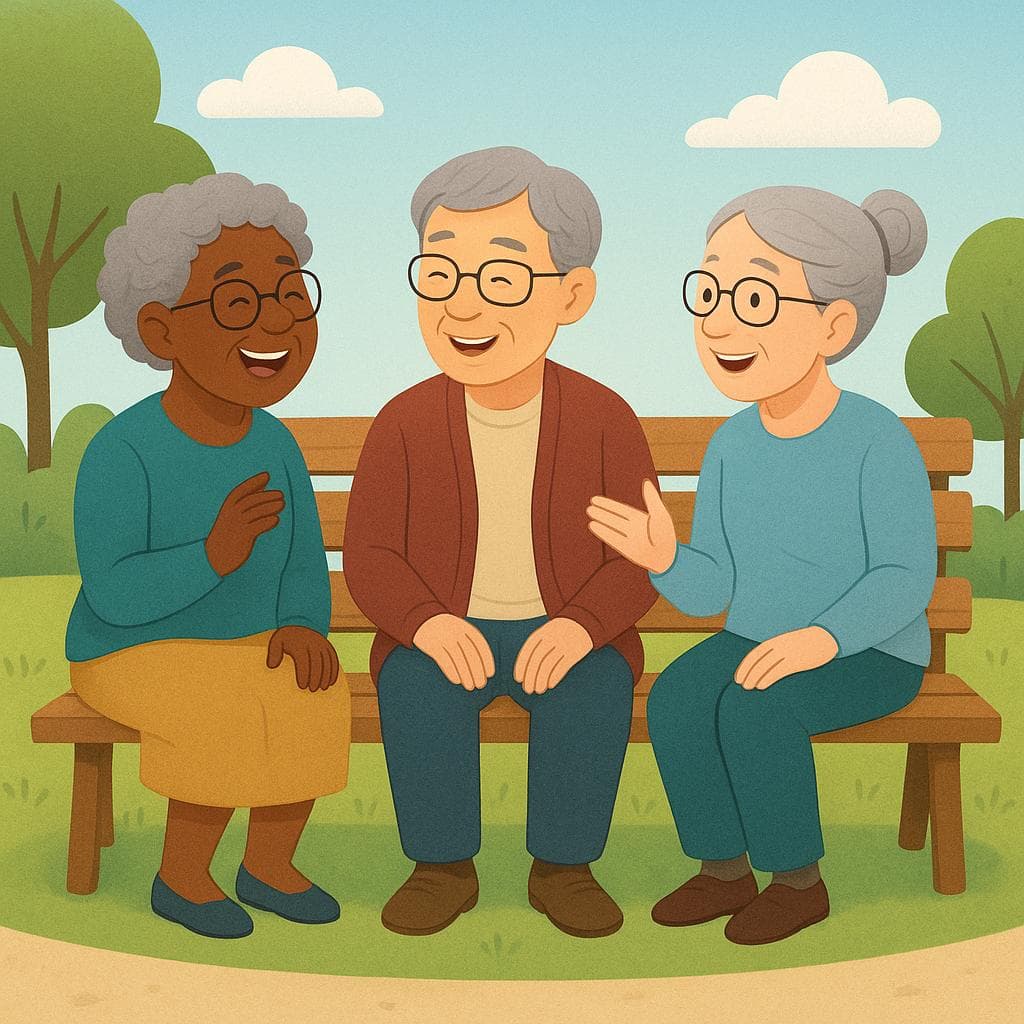
mayores
mah-YOH-rehsmaˈʝoɾes
Examples
Debemos escuchar los consejos de nuestros mayores.
We must listen to the advice of our elders.
La entrada al museo es gratuita para los mayores.
Museum entry is free for seniors.
El club organiza actividades solo para mayores de edad.
The club organizes activities only for adults (people of legal age).
Adjective acting as Noun
When you put the article 'los' or 'las' in front of 'mayores', it automatically turns the adjective into a noun meaning 'the older people' or 'the seniors'.
superiores
soo-peh-ree-OH-rehssupeˈɾjoɾes

Examples
Debemos informar a nuestros superiores sobre el cambio de planes.
We must inform our superiors about the change in plans.
Los superiores del monasterio tomaron la decisión final.
The superiors of the monastery made the final decision.
Ella siempre obedece a sus superiores en el trabajo.
She always obeys her bosses at work.
The Noun Form
When used as a noun, 'superiores' acts like 'the bosses' or 'the higher-ups,' meaning it refers directly to people, often preceded by 'los' or 'mis/tus'.
Choosing Between 'Ancianos' and 'Mayores'
Related Translations
Learn Spanish with Inklingo
Interactive stories, personalized learning, and more.