How to Say "endures" in Spanish
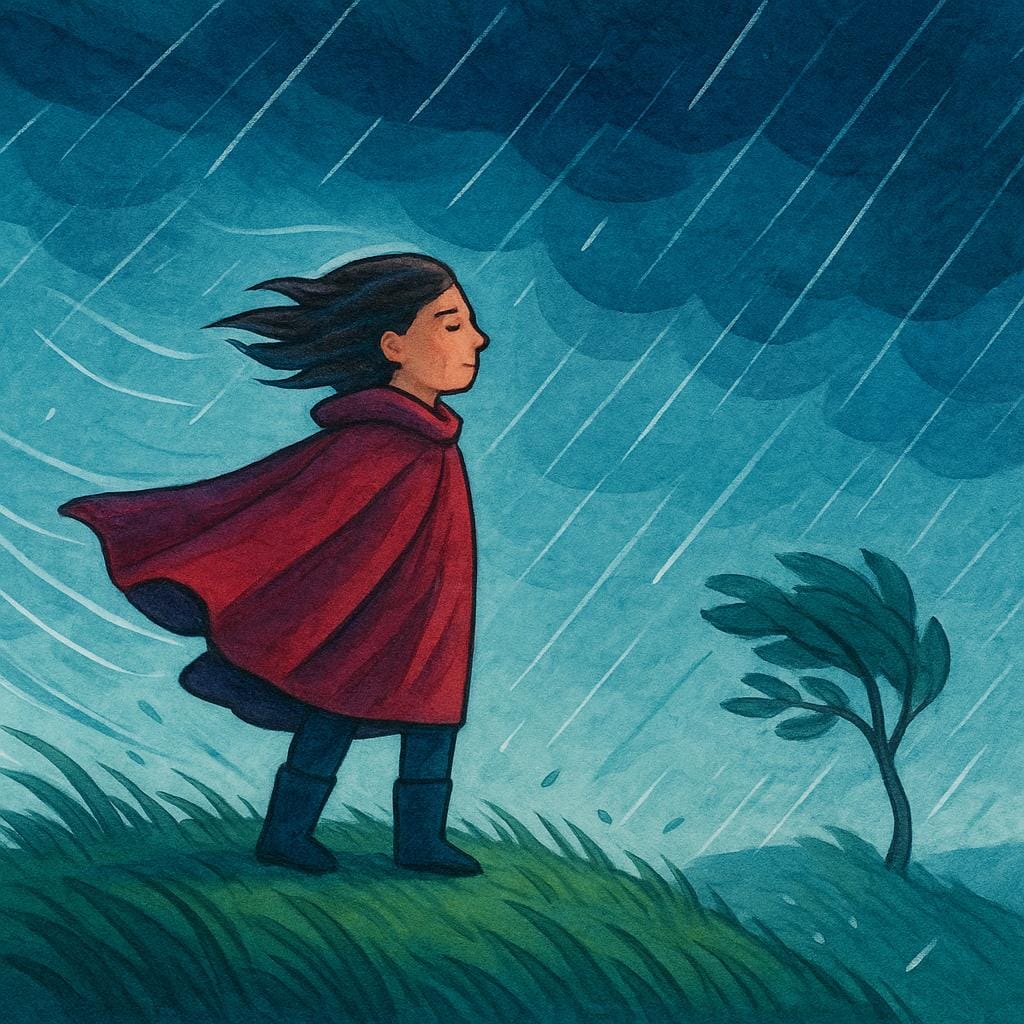
The most common Spanish word for “endures” is “aguanta” — use 'aguanta' when the endurance involves actively suffering through or tolerating a difficult or unpleasant situation, often with a sense of stoicism.



aguanta
ah-GWAHN-tahaˈɣwan.ta
Examples
Mi abuela aguanta el calor del verano sin aire acondicionado.
My grandmother endures the summer heat without air conditioning.
Ella no aguanta el ruido de la construcción.
She doesn't tolerate the construction noise.
¡Aguanta la presión! Ya casi terminas el examen.
Bear the pressure! You're almost done with the exam.
Handling Discomfort
When talking about physical or emotional pain, 'aguantar' is the go-to verb for 'to bear' or 'to tolerate.' It implies active resilience.
resiste
reh-SEES-tehreˈsiste

Examples
Este material resiste el calor y la humedad.
This material resists heat and humidity.
Él siempre resiste la tentación de comer dulces.
He always resists the temptation to eat sweets.
¡Resiste! Ya casi llegamos a la cima de la montaña.
Resist! We are almost at the top of the mountain.
Two Roles for 'Resiste'
The form 'resiste' can be a statement about a third person ('Ella resiste' - She resists) or an informal command to 'tú' ('¡Resiste!' - Resist!).
Transitive vs. Intransitive
'Resistir' can be used with a direct thing receiving the action ('resiste el frío' - resists the cold) or alone ('El edificio resiste' - The building holds up).
Using 'Resistir' for Emotional Defense
Mistake: “Intento resistir mi tristeza. (I try to resist my sadness.)”
Correction: Intento contener mi tristeza. ('Resistir' usually implies physical or external force; 'contener' or 'reprimir' is better for internal emotions.)
permanece
per-mah-NEH-sehpeɾ.maˈne.θe

Examples
El sabor amargo permanece en mi boca después del café.
The bitter taste lingers in my mouth after the coffee.
Su legado permanece vivo en la memoria de la gente.
His legacy persists (remains alive) in people's memory.
La duda sobre su inocencia aún permanece.
The doubt about his innocence still persists.
Describing Ongoing States
Use 'permanece' when you want to emphasize that a situation, condition, or feeling is not changing or going away. It is stronger than just saying 'it is'.
Aguanta vs. Resiste
Learn Spanish with Inklingo
Interactive stories, personalized learning, and more.