How to Say "holds" in Spanish
The most common Spanish word for “holds” is “agarra” — use 'agarra' when describing the act of taking hold of something with your hands, often with a sense of grabbing or seizing it.

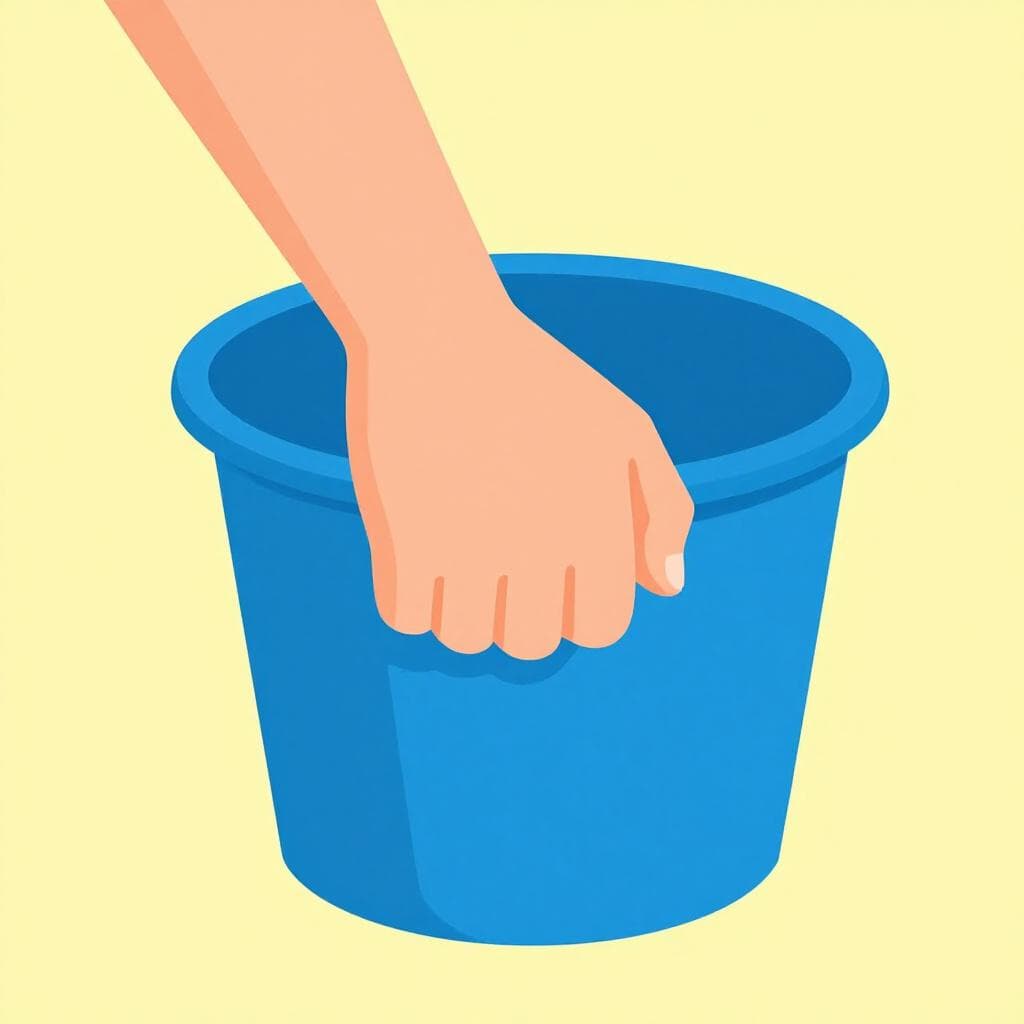

agarra
a-GAR-raaˈɣara

Examples
Ella agarra el paraguas antes de salir.
She grabs the umbrella before leaving.
El bebé agarra mi dedo con mucha fuerza.
The baby holds my finger very tightly.
Usted agarra el ascensor en el segundo piso.
You (formal) catch the elevator on the second floor.
Identifying the Subject
When you see 'agarra,' the subject performing the action is always singular: 'él' (he), 'ella' (she), 'usted' (you formal), or 'eso' (it).
sujeta
soo-HEH-tahsuˈxeta
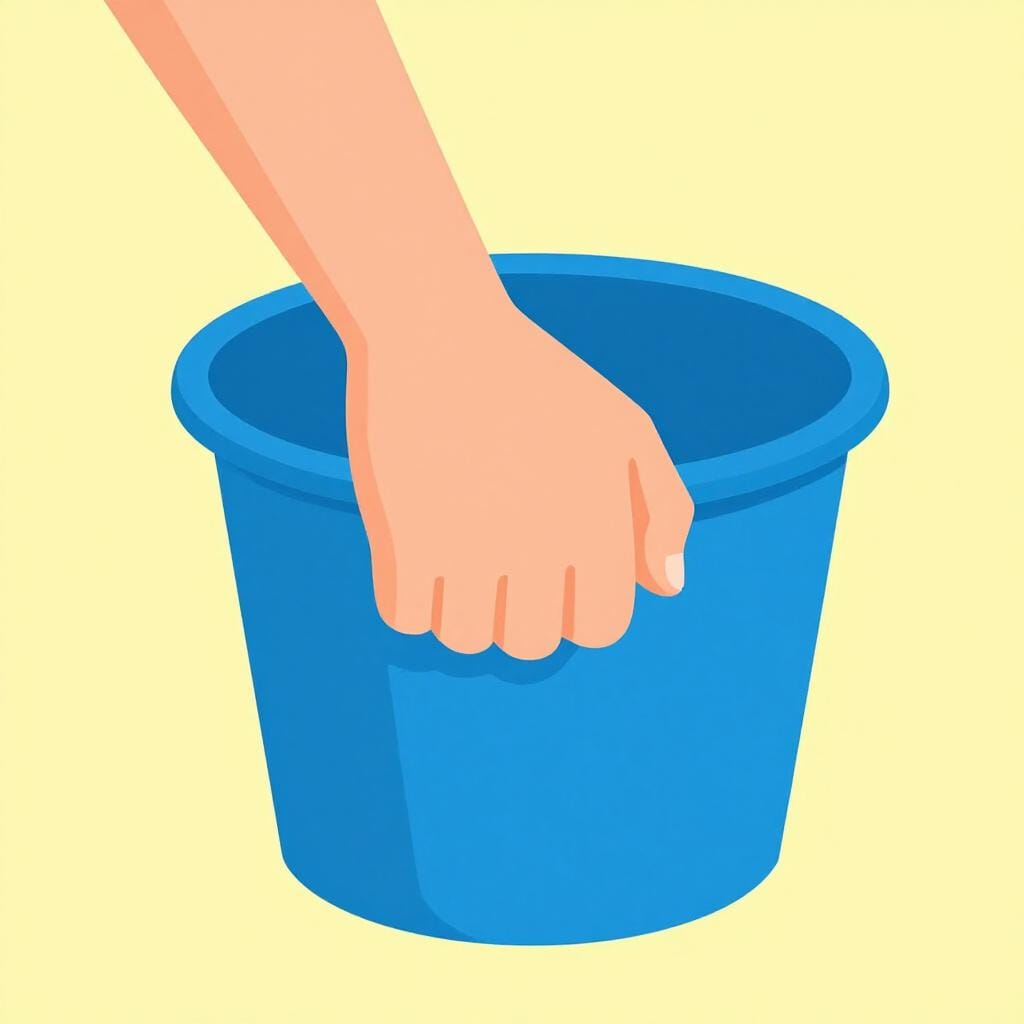
Examples
Ella sujeta el paraguas con fuerza porque hace viento.
She holds the umbrella tightly because it is windy.
¡Sujeta la escalera, por favor!
Hold the ladder, please!
Double Identity
In the 'doing it now' form, 'sujeta' refers to someone else (he/she) holding something. But if you shout '¡Sujeta!', you are telling someone to hold it right now.
Confusing Sujeta with Sostiene
Mistake: “Using 'sujeta' for emotional support.”
Correction: Use 'sujeta' for physical gripping or fastening. For supporting an idea or giving emotional support, use 'sostiene'.
aguanta
ah-GWAHN-tahaˈɣwan.ta

Examples
Esta viga aguanta todo el techo de la casa.
This beam supports the entire roof of the house.
¡Aguanta la caja con las dos manos o se cae!
Hold the box with both hands or it will fall!
Present Tense vs. Command
The form 'aguanta' is used both when talking about what a third person (he/she/it) does now, and as a direct command to you (tú).
Grip vs. Support
Learn Spanish with Inklingo
Interactive stories, personalized learning, and more.