How to Say "fastens" in Spanish
The most common Spanish word for “fastens” is “asegura” — use 'asegura' when the act of fastening involves making something secure or stable, often with a physical restraint like a belt or rope.

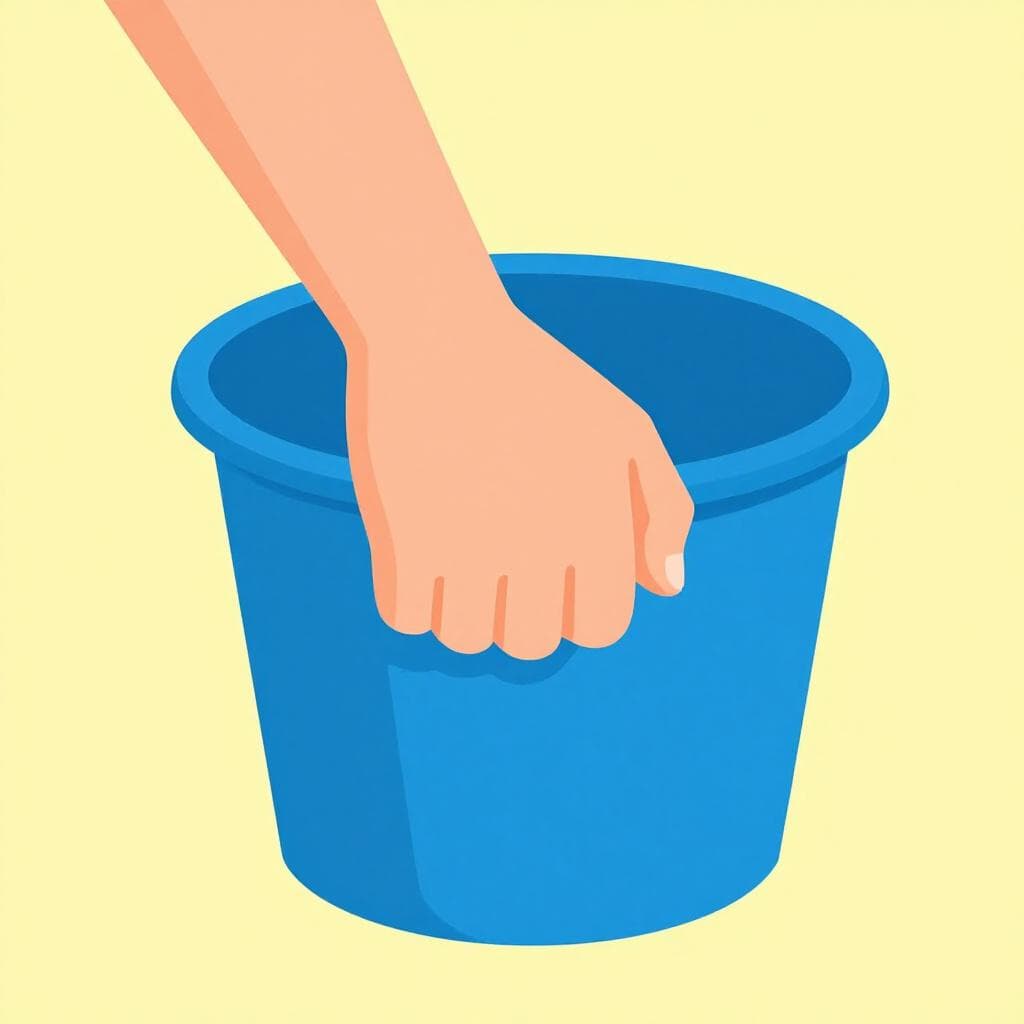
asegura
ah-seh-GOO-rahaseˈɣuɾa

Examples
Él asegura la carga antes de salir.
He secures the cargo before leaving.
Asegura bien la cuerda al árbol.
Fasten the rope well to the tree.
sujeta
soo-HEH-tahsuˈxeta
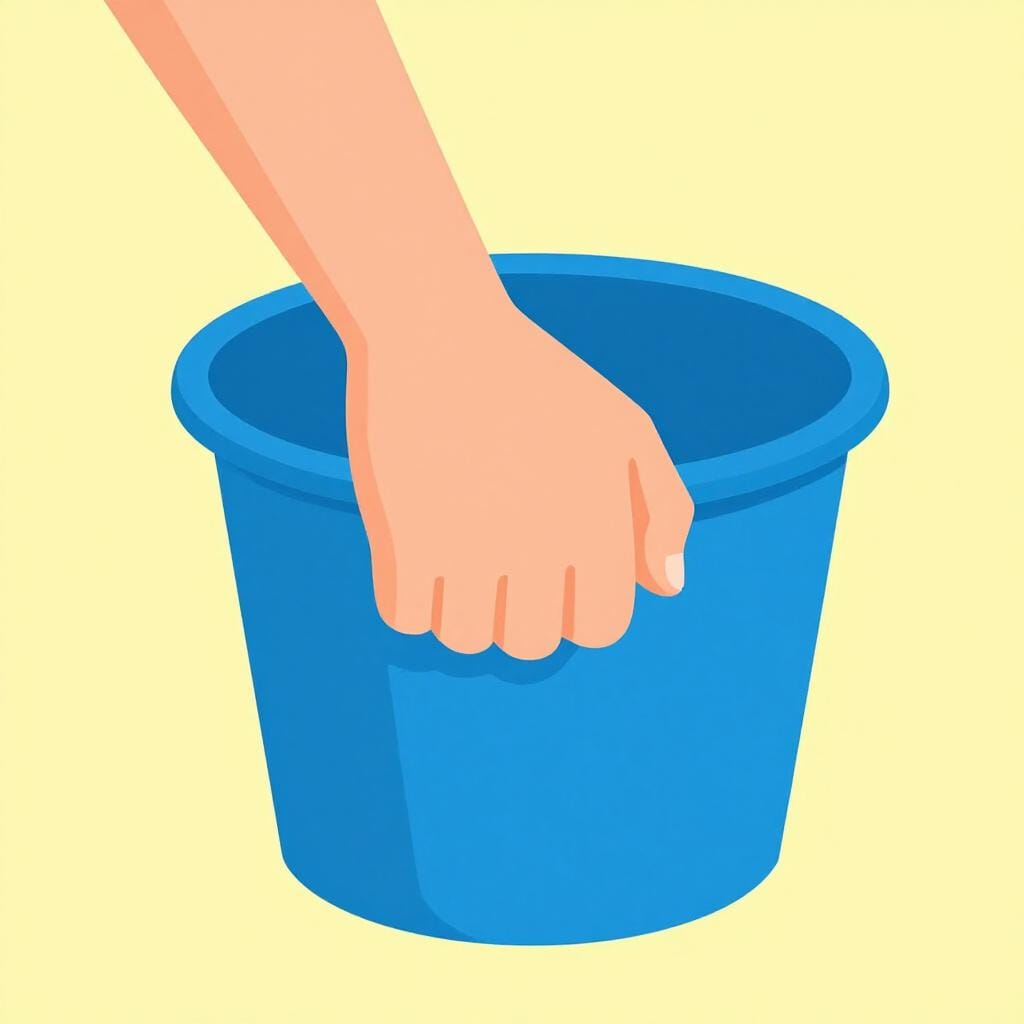
Examples
Ella sujeta el paraguas con fuerza porque hace viento.
She holds the umbrella tightly because it is windy.
¡Sujeta la escalera, por favor!
Hold the ladder, please!
Double Identity
In the 'doing it now' form, 'sujeta' refers to someone else (he/she) holding something. But if you shout '¡Sujeta!', you are telling someone to hold it right now.
Confusing Sujeta with Sostiene
Mistake: “Using 'sujeta' for emotional support.”
Correction: Use 'sujeta' for physical gripping or fastening. For supporting an idea or giving emotional support, use 'sostiene'.
Asegura vs. Sujeta
Learn Spanish with Inklingo
Interactive stories, personalized learning, and more.