How to Say "explosive" in Spanish
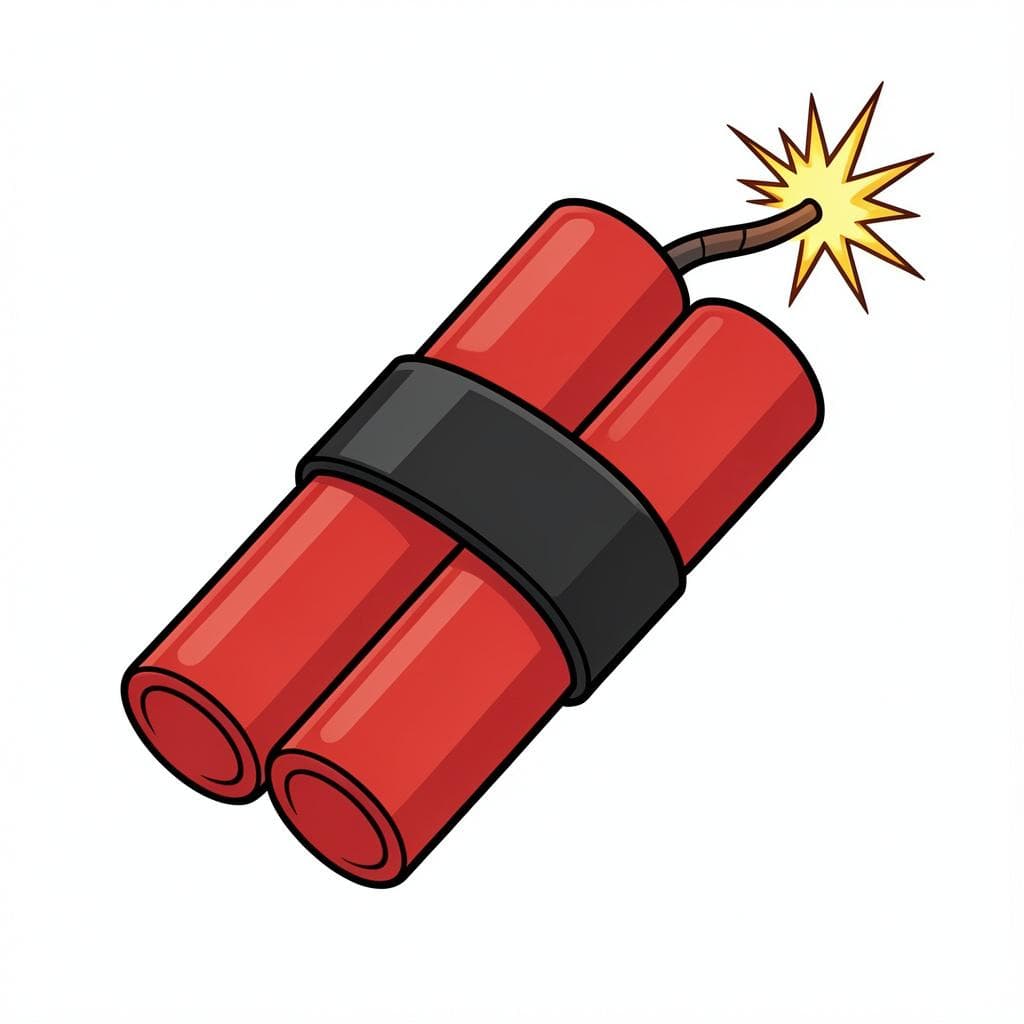
The most common Spanish word for “explosive” is “explosivo” — use this adjective when describing something that has the inherent property of being able to explode or detonate.


explosivo
ex-plo-SEE-boeksploˈsiβo

Examples
Ten cuidado, ese gas es muy explosivo.
Be careful, that gas is very explosive.
Él tiene un carácter explosivo cuando está estresado.
He has a volatile temper when he is stressed.
La ciudad tuvo un crecimiento explosivo en diez años.
The city had sudden, rapid growth in ten years.
La policía buscó un posible explosivo en el maletín.
The police searched for a possible explosive in the briefcase.
Matching the word it describes
Remember to change the ending to 'explosiva' if the person or thing you are describing is feminine, like 'una situación explosiva'.
Explosivo vs. Explotar
Mistake: “Using 'explosivo' when you mean the action of blowing up.”
Correction: Use 'explosivo' to describe a quality. Use the verb 'explotar' for the action itself.
explosivo
ex-plo-SEE-boeksploˈsiβo
Examples
La policía buscó un posible explosivo en el maletín.
The police searched for a possible explosive in the briefcase.
Ten cuidado, ese gas es muy explosivo.
Be careful, that gas is very explosive.
Él tiene un carácter explosivo cuando está estresado.
He has a volatile temper when he is stressed.
La ciudad tuvo un crecimiento explosivo en diez años.
The city had sudden, rapid growth in ten years.
Matching the word it describes
Remember to change the ending to 'explosiva' if the person or thing you are describing is feminine, like 'una situación explosiva'.
Explosivo vs. Explotar
Mistake: “Using 'explosivo' when you mean the action of blowing up.”
Correction: Use 'explosivo' to describe a quality. Use the verb 'explotar' for the action itself.
dinamita
dee-nah-MEE-tahdinaˈmita
Examples
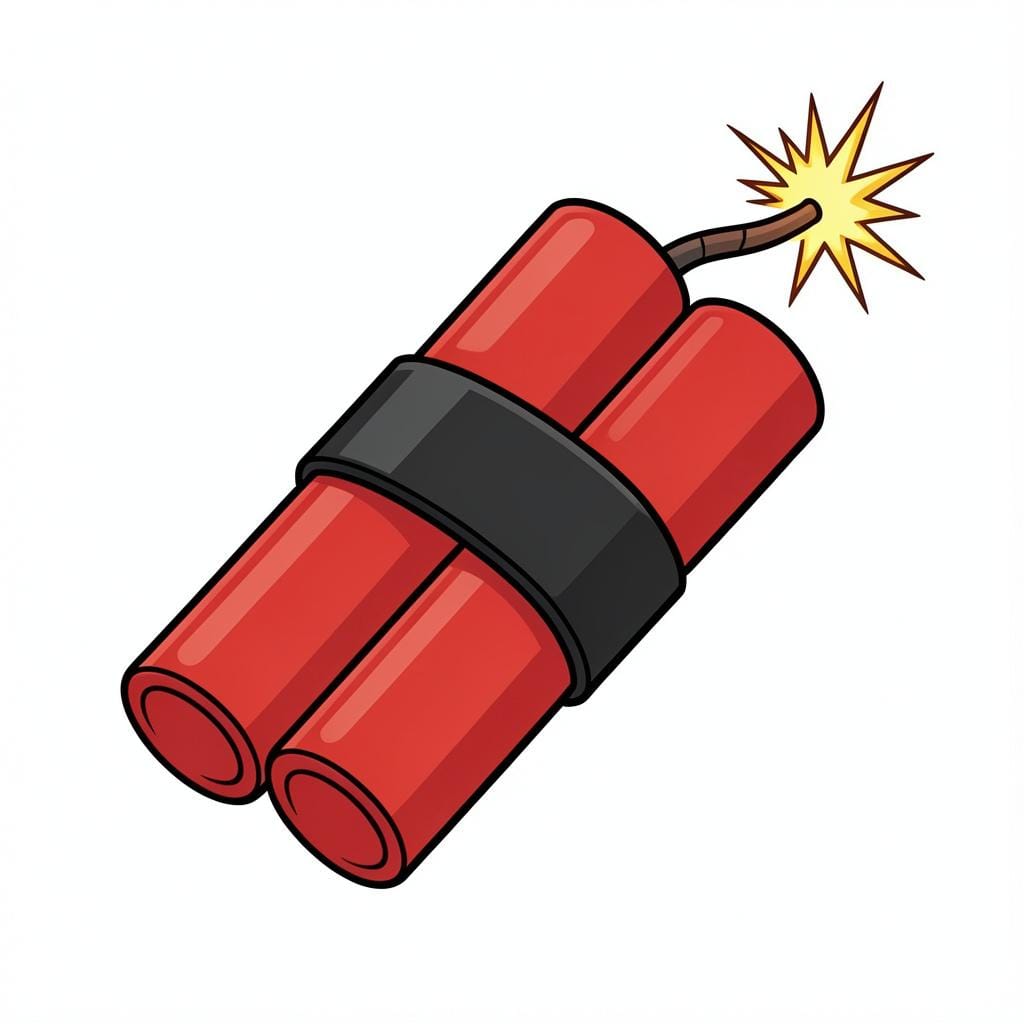
Los obreros usaron dinamita para abrir el túnel en la montaña.
The workers used dynamite to open the tunnel in the mountain.
Alfred Nobel fue el inventor de la dinamita.
Alfred Nobel was the inventor of dynamite.
Gender of Dinamita
This word is feminine, so always use 'la' or 'una' with it, even though it ends in 'a' like many other feminine nouns.
Noun vs. Verb
Mistake: “Using 'dinamita' as an action (to blow up).”
Correction: Use the verb 'dinamitar' for the action. 'Dinamita' is only the name of the object.
atómico
Examples
Ese corredor tiene una velocidad atómica.
That runner has an explosive/atomic speed.
torpedo
tor-peh-dohtoɾˈpeðo
Examples
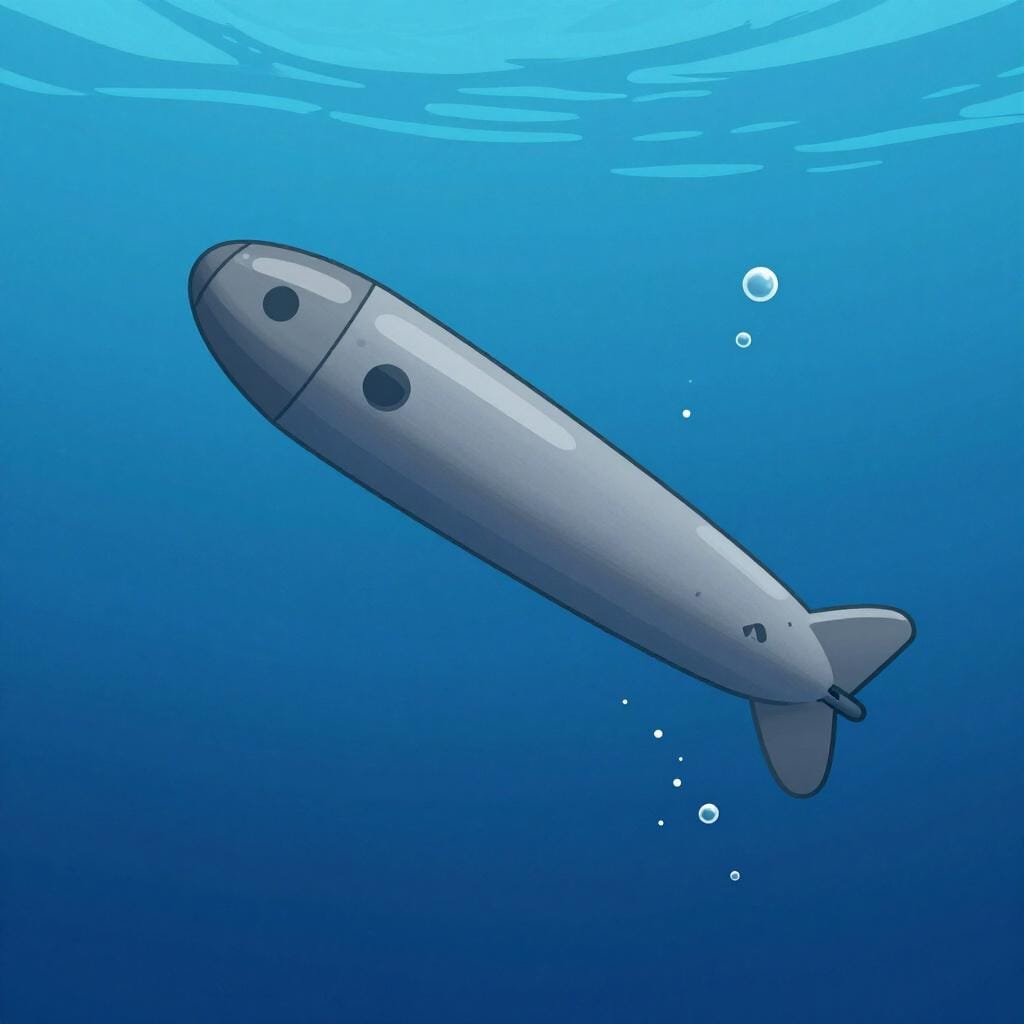
El submarino lanzó un torpedo hacia el barco.
The submarine launched a torpedo toward the ship.
Los torpedos modernos son guiados por computadoras.
Modern torpedoes are guided by computers.
El impacto del torpedo causó graves daños en el casco.
The torpedo's impact caused serious damage to the hull.
Masculine Ending
This word follows the standard pattern: words ending in '-o' are almost always masculine, so you use 'el' or 'un'.
Spelling confusion
Mistake: “torpido”
Correction: torpedo (with an 'e'). It looks very similar to the English word.
Confusing 'explosivo' with 'dinamita'
Related Translations
Learn Spanish with Inklingo
Interactive stories, personalized learning, and more.