How to Say "fastener" in Spanish
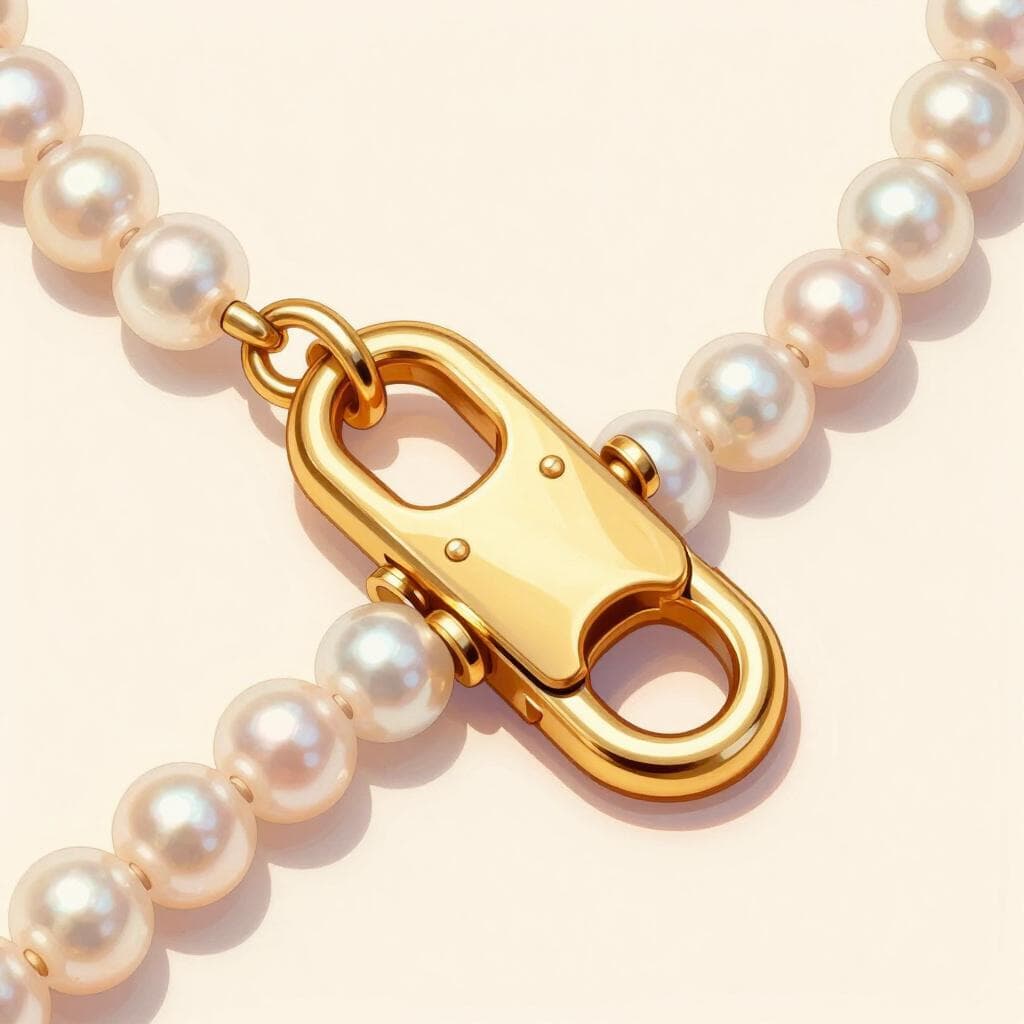
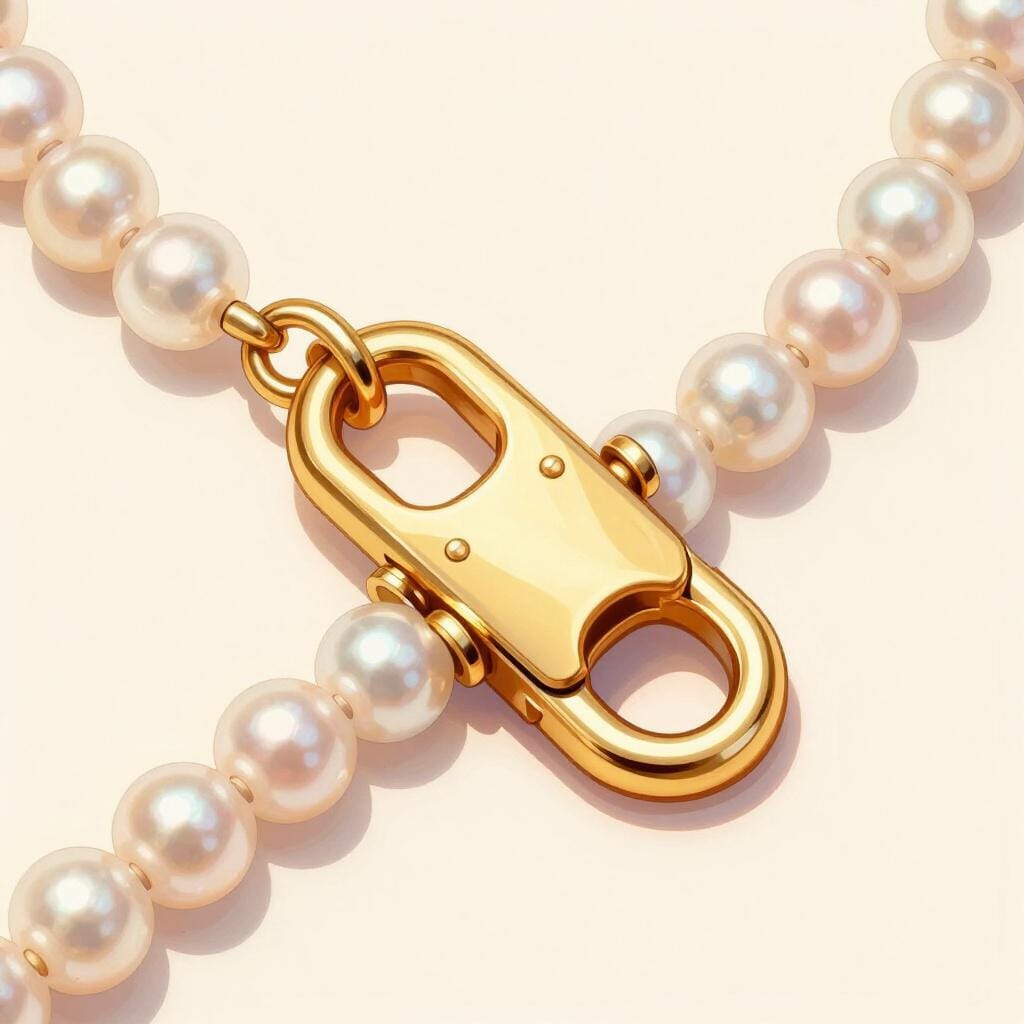
The most common Spanish word for “fastener” is “broche” — use 'broche' for a decorative or functional clasp, pin, or buckle that fastens jewelry, clothing, or accessories.

broche
bro-cheˈbɾotʃe
Examples
Se me rompió el broche de la pulsera.
The clasp of my bracelet broke.
Ella lleva un broche de plata en su chaqueta.
She is wearing a silver brooch on her jacket.
Asegúrate de cerrar bien el broche del collar.
Make sure to close the necklace clasp properly.
It's a Masculine Word
Even though it ends in 'e', 'broche' is masculine, so you always say 'el broche' or 'un broche'.
Plural Form
To talk about more than one, simply add an 's' to the end: 'los broches'.
Using 'pin' for jewelry
Mistake: “Me gusta tu pin.”
Correction: Me gusta tu broche.
cierre
syair-reh'sjere
Examples
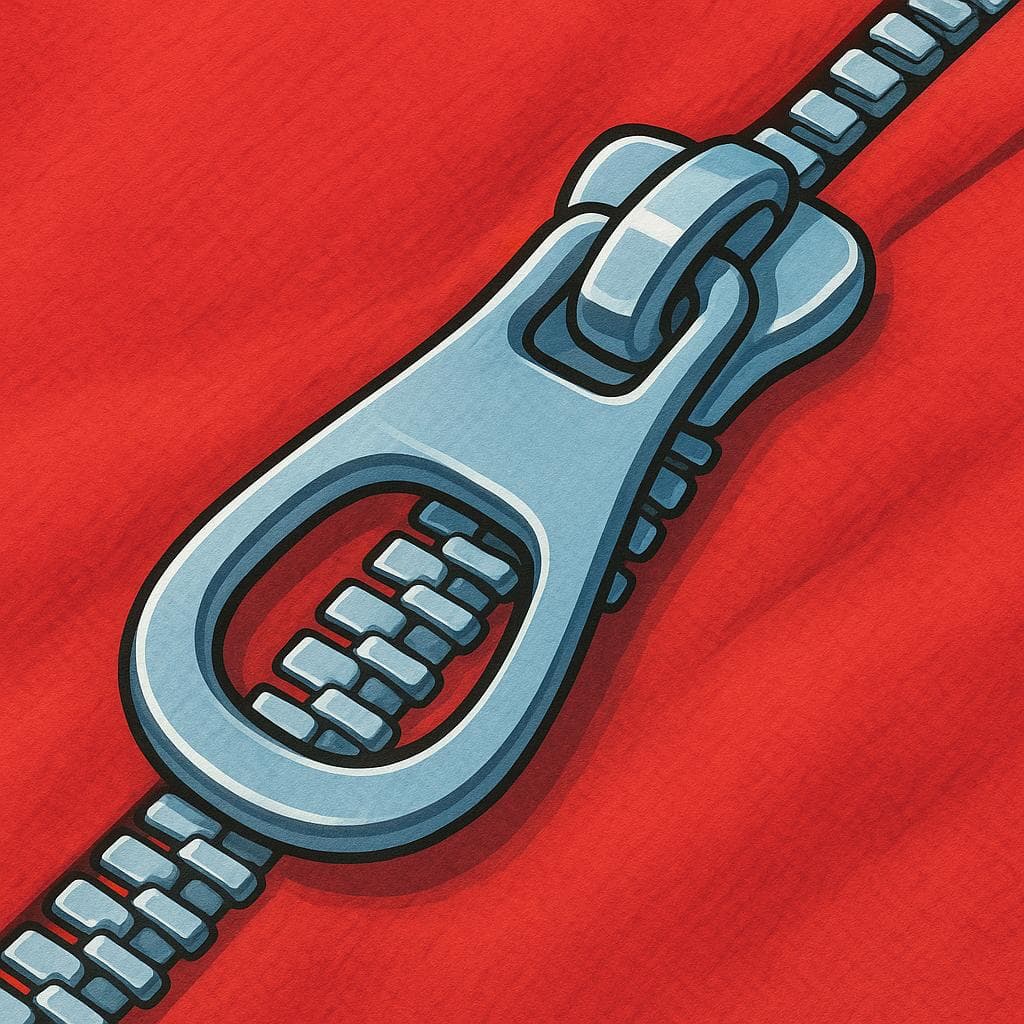
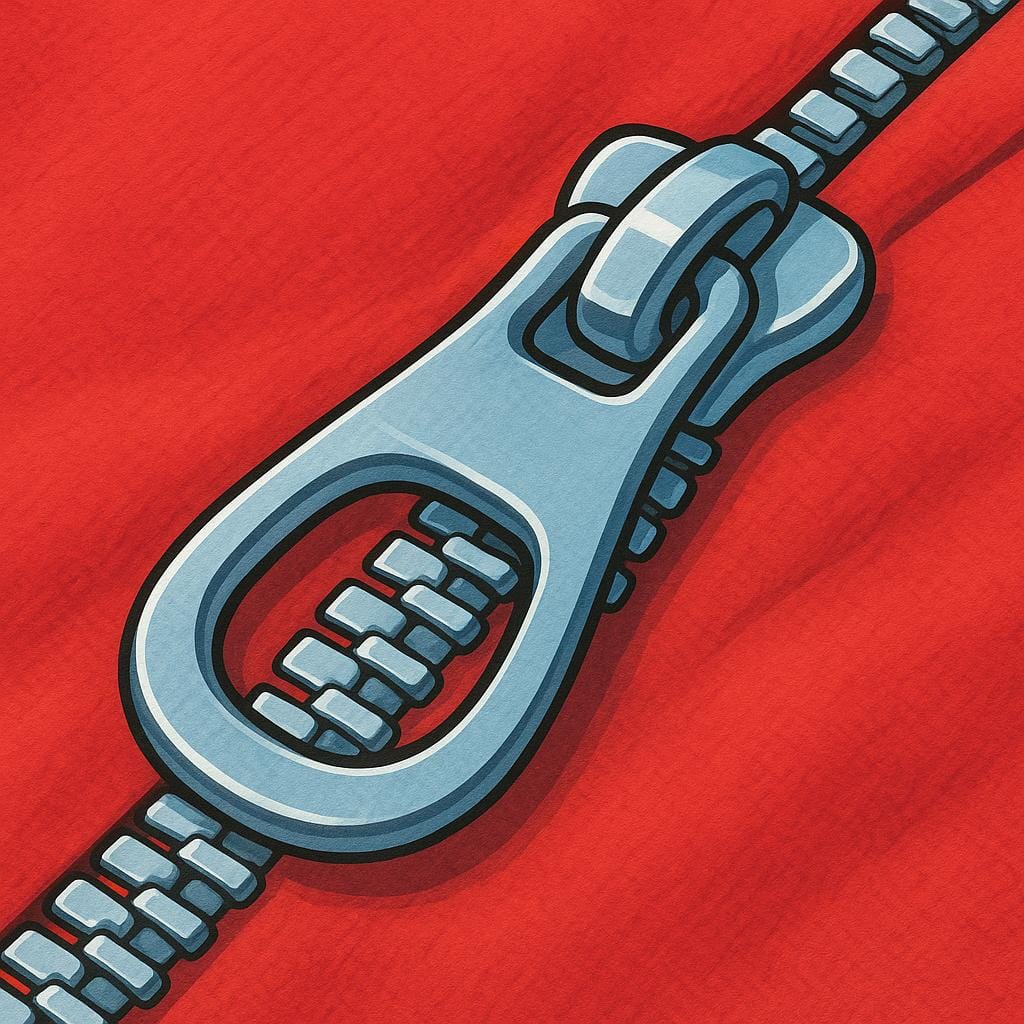
El cierre de mi chaqueta está roto.
The zipper on my jacket is broken.
Olvidé subir el cierre de mi pantalón.
I forgot to pull up the zipper on my pants.
Asegúrate de que el cierre de la maleta esté bien puesto.
Make sure the fastener/clasp on the suitcase is properly secured.
Regional Differences
While 'cierre' is understood everywhere for a zipper, many Spanish speakers prefer 'cremallera' (especially in Spain) or 'zíper' (a Spanglish loanword).
sujetador
soo-heh-tah-dorsu.xe.taˈðoɾ

Examples
El sujetador de los cables está suelto.
The cable fastener is loose.
Utiliza un sujetador metálico para que los papeles no se muevan.
Use a metal clip so the papers don't move.
Este modelo incluye un sujetador para el teléfono en el coche.
This model includes a phone holder for the car.
Functional Naming
Spanish often creates nouns by adding '-dor' to a verb. Since 'sujetar' means 'to hold', a 'sujetador' is literally 'a thing that holds'.
Broche vs. Cierre
Learn Spanish with Inklingo
Interactive stories, personalized learning, and more.