How to Say "flexibility" in Spanish
The most common Spanish word for “flexibility” is “flexibilidad” — use 'flexibilidad' when referring to the physical ability of your body to bend and move, or for abstract qualities like adaptability in ideas or plans.
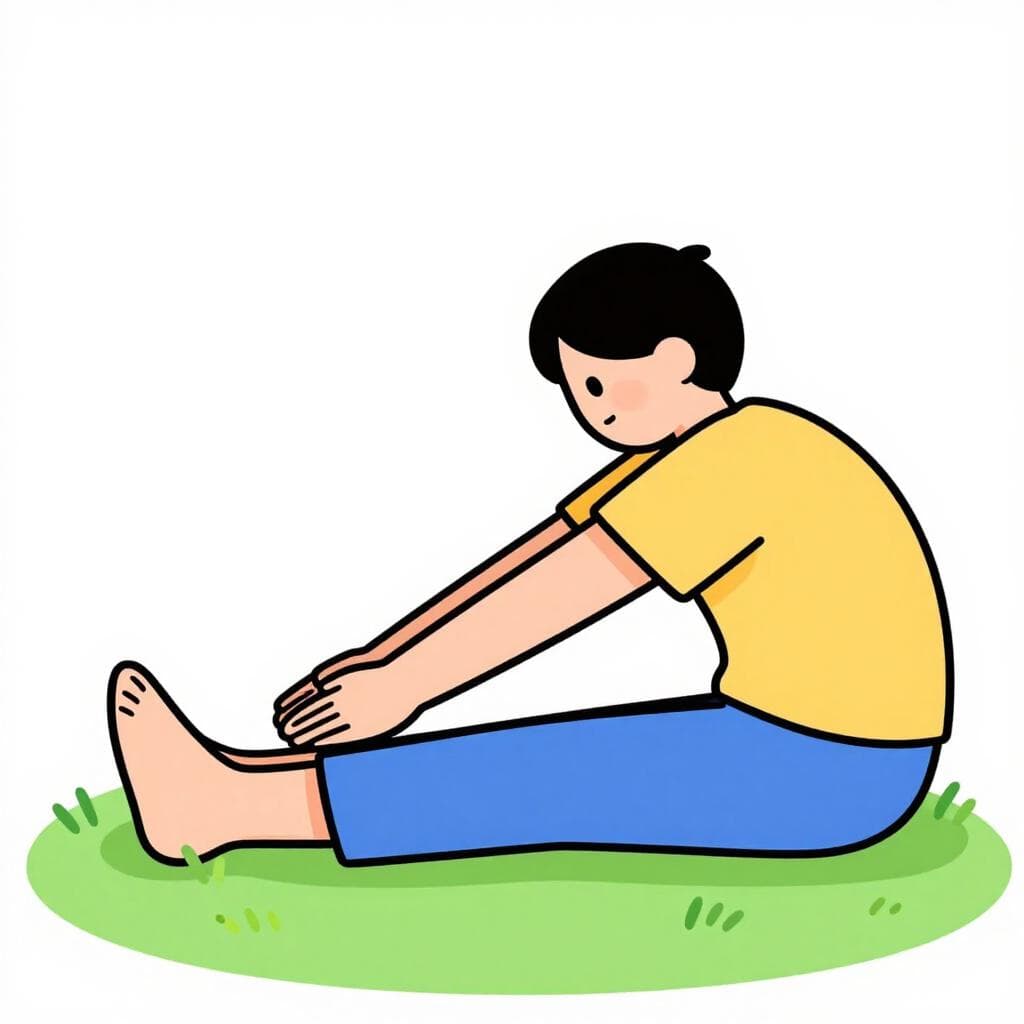

flexibilidad
flek-see-bee-lee-dahdfleksibiliˈdað
Examples
Hago yoga todos los días para mejorar mi flexibilidad.
I do yoga every day to improve my flexibility.
Mi jefe tiene mucha flexibilidad con el horario de entrada.
My boss has a lot of flexibility with the start time.
La flexibilidad mental es clave para resolver problemas difíciles.
Mental flexibility is key to solving difficult problems.
The '-dad' Rule
Words ending in '-dad' are almost always feminine in Spanish. Use 'la' or 'una' with this word.
Making it Plural
To talk about more than one type of flexibility, add '-es' to the end: 'flexibilidades'.
Gender confusion
Mistake: “El flexibilidad es importante.”
Correction: La flexibilidad es importante. Remember that the '-dad' ending tells you the word is feminine.
cintura
seen-TOO-rahsinˈtuɾa

Examples
El político mostró mucha cintura para evitar el conflicto.
The politician showed a lot of flexibility to avoid the conflict.
Confusing physical vs. situational flexibility
Related Translations
Learn Spanish with Inklingo
Interactive stories, personalized learning, and more.