How to Say "front" in Spanish
The most common Spanish word for “front” is “cara” — use 'cara' for the most basic meaning of 'front' as the face or forward-facing part of a person or object.

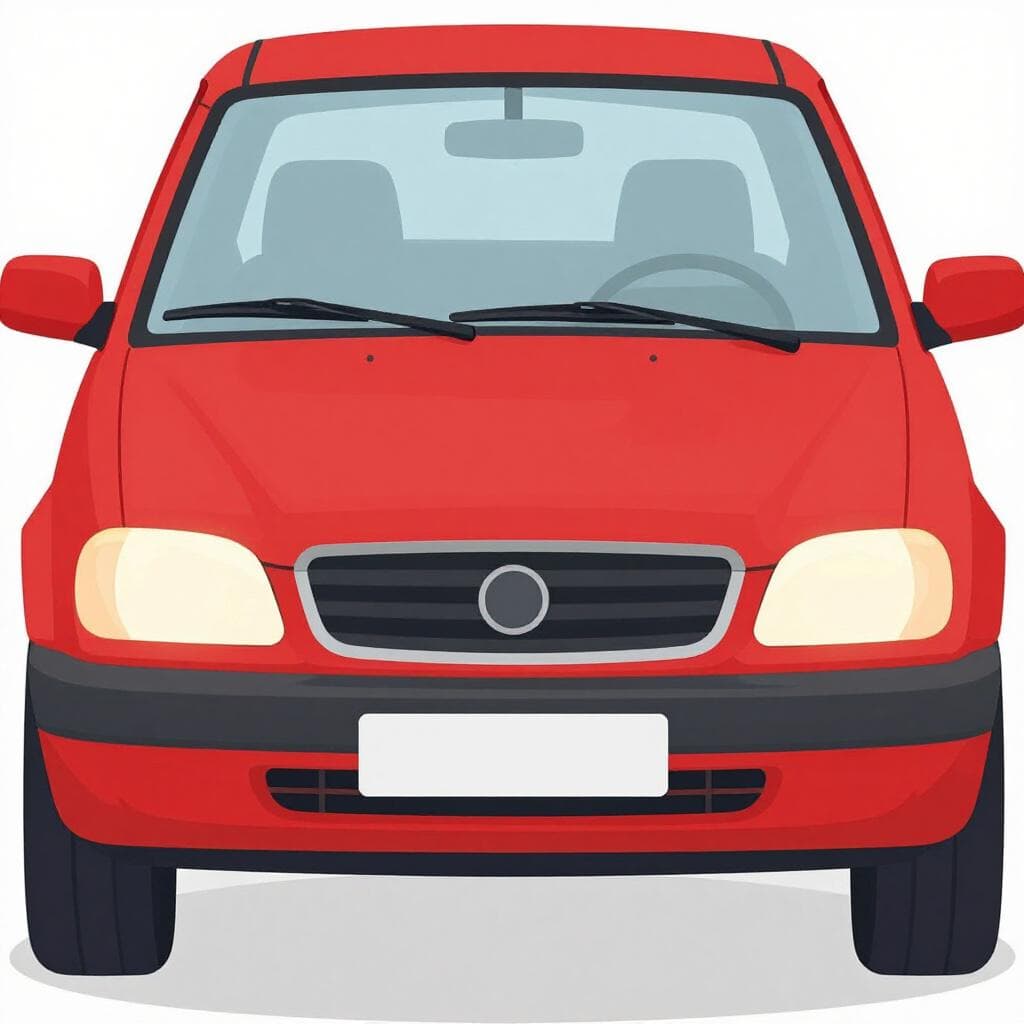

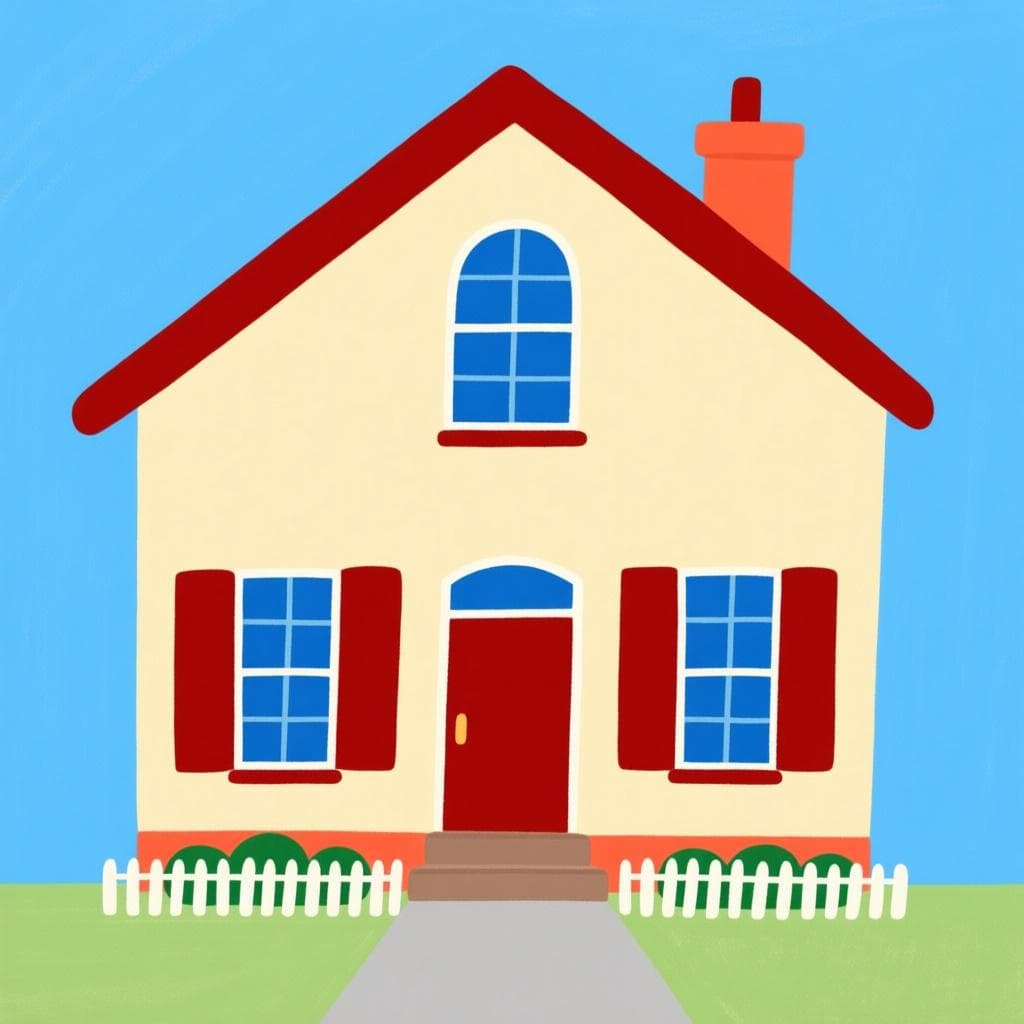



cara
kah-rahˈka.ɾa

Examples
Me miré en el espejo y vi mi cara.
I looked at myself in the mirror and saw my face.
Me lavo la cara todas las mañanas.
I wash my face every morning.
La moneda tiene dos caras: cara y cruz.
The coin has two sides: heads and tails.
Puso mala cara cuando le conté el problema.
He put on a sour face when I told him the problem.
'Cara' is a Feminine Word
Even though it doesn't end in '-o', 'cara' is a feminine word. So, you always use 'la' or 'una' with it. For example, 'la cara bonita' (the pretty face).
Describing Your Own Face
Mistake: “Incorrect: 'Tengo cara cansada.'”
Correction: Correct: 'Tengo la cara cansada.' When you're describing the state of your own body part, like your face, you usually need to include 'la' (the).
delantero
deh-lan-teh-rohdelanˈteɾo

Examples
El coche tiene un motor delantero.
The car has a front engine.
Prefiero sentarme en el asiento delantero.
I prefer to sit in the front seat.
El coche tiene un golpe en el faro delantero izquierdo.
The car has a dent in the front left headlight.
La parte delantera del edificio es de cristal.
The front part of the building is made of glass.
Matching the Word
This word changes its ending to match what you are describing. Use 'delantero' for masculine things (like 'el asiento') and 'delantera' for feminine things (like 'la rueda').
Placement
In Spanish, this word usually comes after the thing you are describing, unlike in English where 'front' comes before.
Don't use 'frente' for position
Mistake: “El frente asiento.”
Correction: El asiento delantero. Use 'delantero' as a describing word, while 'frente' is usually a noun meaning the forehead or the front of a battle.
fachada
fah-CHAH-dahfaˈtʃaða

Examples
La fachada del edificio es impresionante.
The facade of the building is impressive.
La fachada de la catedral es de estilo gótico.
The facade of the cathedral is in a Gothic style.
Están pintando la fachada de nuestra casa.
They are painting the front of our house.
Muchos edificios antiguos conservan su fachada original.
Many old buildings keep their original front.
Always Feminine
Even though it doesn't describe a person, 'fachada' is always feminine. You must use 'la' or 'una' with it.
Abstract Use
When used figuratively, 'fachada' often follows the verb 'ser' to describe what someone or something is like on the surface.
Using 'frente' for everything
Mistake: “La frente del edificio.”
Correction: La fachada del edificio. While 'frente' means front, 'fachada' is the specific architectural term for the face of a building.
Thinking it means 'face'
Mistake: “Me lavo la fachada.”
Correction: Me lavo la cara. 'Fachada' refers to the whole outward look or a building's face, not your literal human face.
frente
FREN-tayˈfɾen.te
Examples
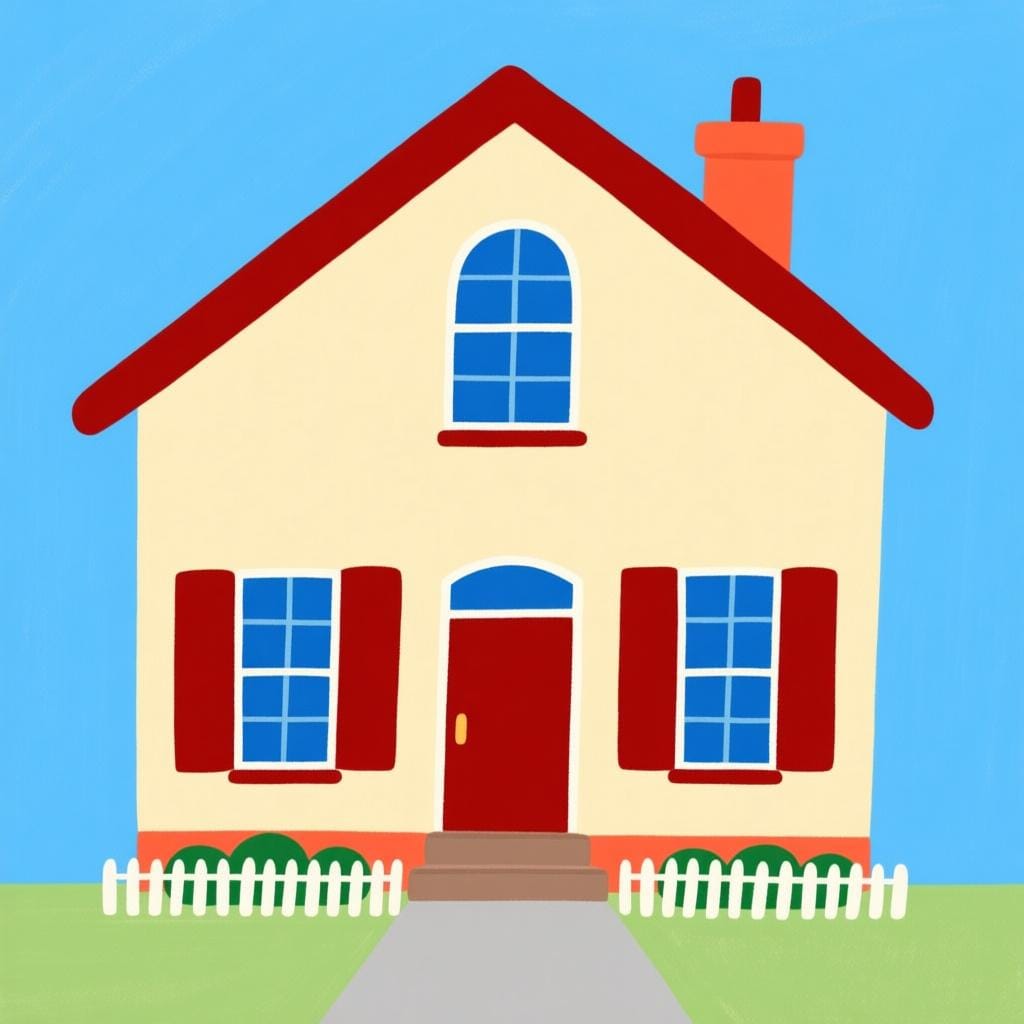
Pintamos el frente de la casa de azul.
We painted the front of the house blue.
El frente de la casa necesita una capa de pintura.
The front of the house needs a coat of paint.
Los soldados están en el frente de batalla.
The soldiers are at the battlefront.
Se acerca un frente frío desde el norte.
A cold front is approaching from the north.
Gender Alert: The 'Front' of Something
When talking about the 'front' of a building, a war, or a weather system, 'frente' is masculine. Always use 'el' or other masculine words with it, like 'el frente' or 'un frente unido' (a united front).
Using the Wrong Gender
Mistake: “La frente de la casa es bonita.”
Correction: El frente de la casa es bonito. Remember, the front of an object is always masculine ('el').
anterior
ahn-teh-RYORan.teˈɾjor

Examples
La parte anterior de la página está en blanco.
The front part of the page is blank.
La parte anterior del edificio necesita reparación urgente.
The front part of the building needs urgent repair.
Los dientes anteriores se utilizan para cortar la comida.
The anterior (front) teeth are used for cutting food.
frontal
fron-TALfɾonˈtal

Examples
Se requiere una vista frontal del objeto.
A front view of the object is required.
Necesitamos una foto frontal de la casa para el anuncio.
We need a front photo of the house for the advertisement.
El coche sufrió un choque frontal en la carretera.
The car suffered a head-on collision on the highway.
Me gusta que seas tan frontal con tus sentimientos.
I like that you are so direct with your feelings.
One Form for All
Unlike many Spanish words, this adjective doesn't change if the thing you're describing is male or female. You say 'el coche frontal' and 'la vista frontal'.
Placement
Like most adjectives that describe a specific quality, this word almost always goes after the person or thing you are talking about.
Using 'frente' as an adjective
Mistake: “La parte frente de la casa.”
Correction: La parte frontal de la casa.
cabeza
ka-BEH-sakaˈβeθa

Examples
Ella siempre va a la cabeza de la manifestación.
She always goes at the front of the demonstration.
Mi madre es la cabeza de la familia.
My mother is the head of the family.
El equipo está a la cabeza de la liga.
The team is at the top of the league.
El director es la cabeza visible de la empresa.
The director is the visible head of the company.
tapader
Examples
La tienda era una tapadera para el contrabando.
The store was a front for smuggling.
pantalla
pan-TA-yapanˈtaʎa
Examples
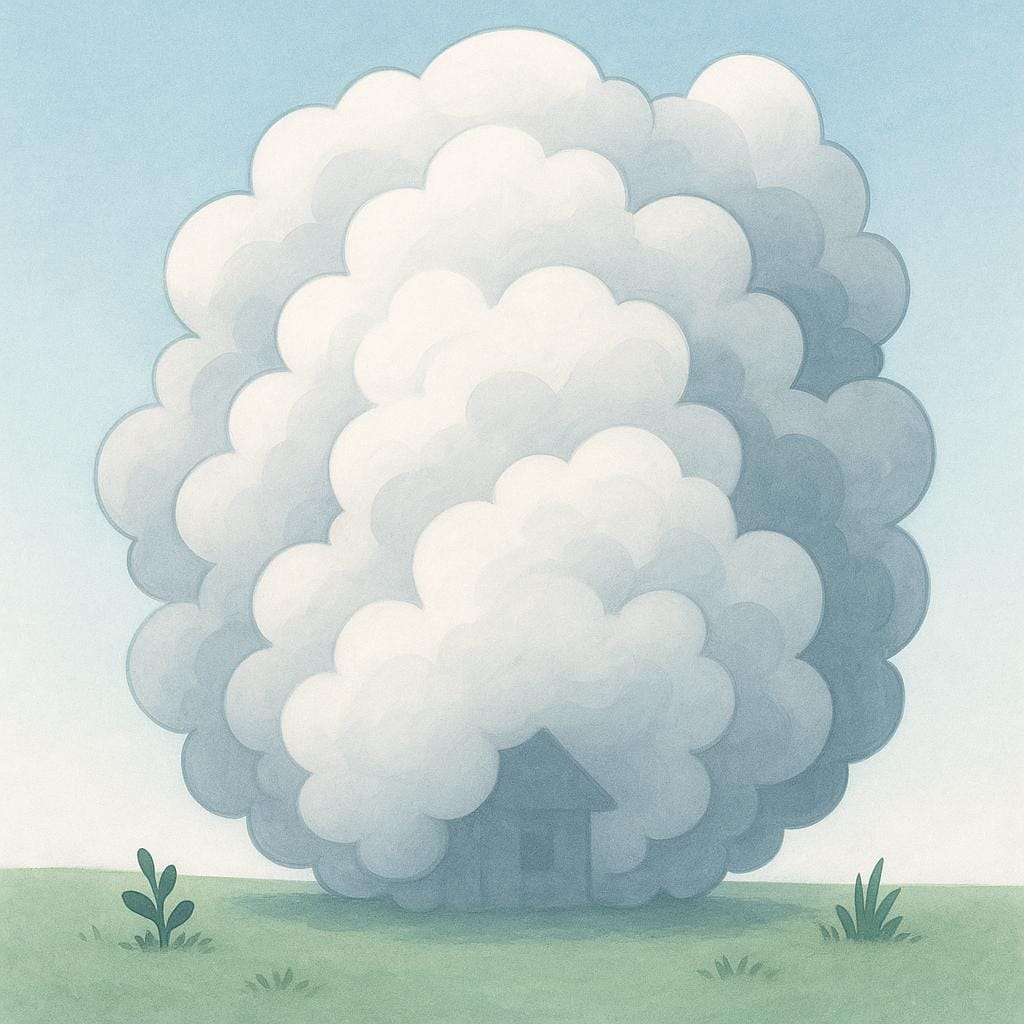
Su amabilidad era solo una pantalla.
His kindness was just a front.
Su aparente humildad es solo una pantalla para manipular a la gente.
His apparent humility is just a facade (smokescreen) to manipulate people.
Los nuevos impuestos son una pantalla para encubrir la corrupción.
The new taxes are a smokescreen to cover up the corruption.
Figurative Extension
Think of this meaning as literally putting a 'screen' or 'shield' in front of the truth to hide it.
Fachada vs. Frente vs. Cara
Related Translations
Learn Spanish with Inklingo
Interactive stories, personalized learning, and more.