How to Say "give me" in Spanish
The most common Spanish word for “give me” is “dame” — use 'dame' when making an informal request to someone you address as 'tú'.
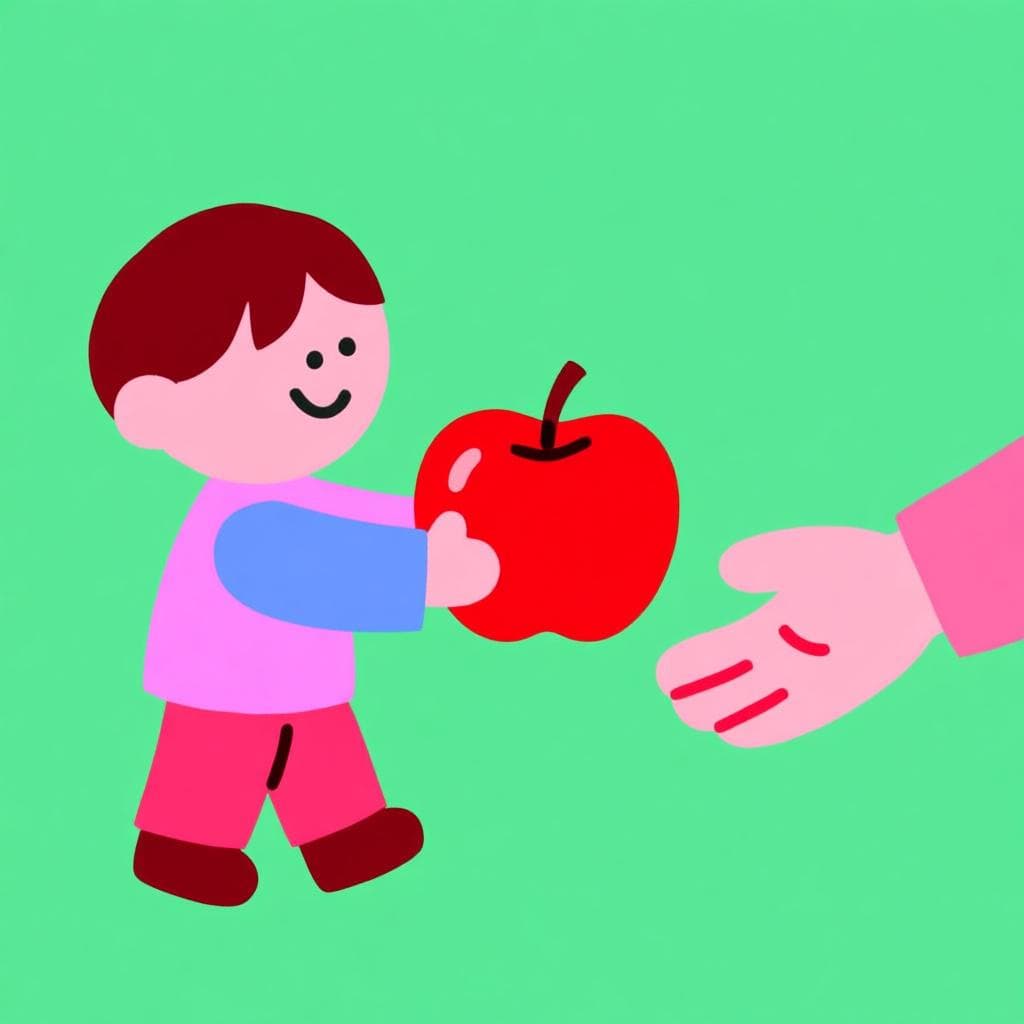
Use 'dame' when making an informal request to someone you address as 'tú'.
Learn more →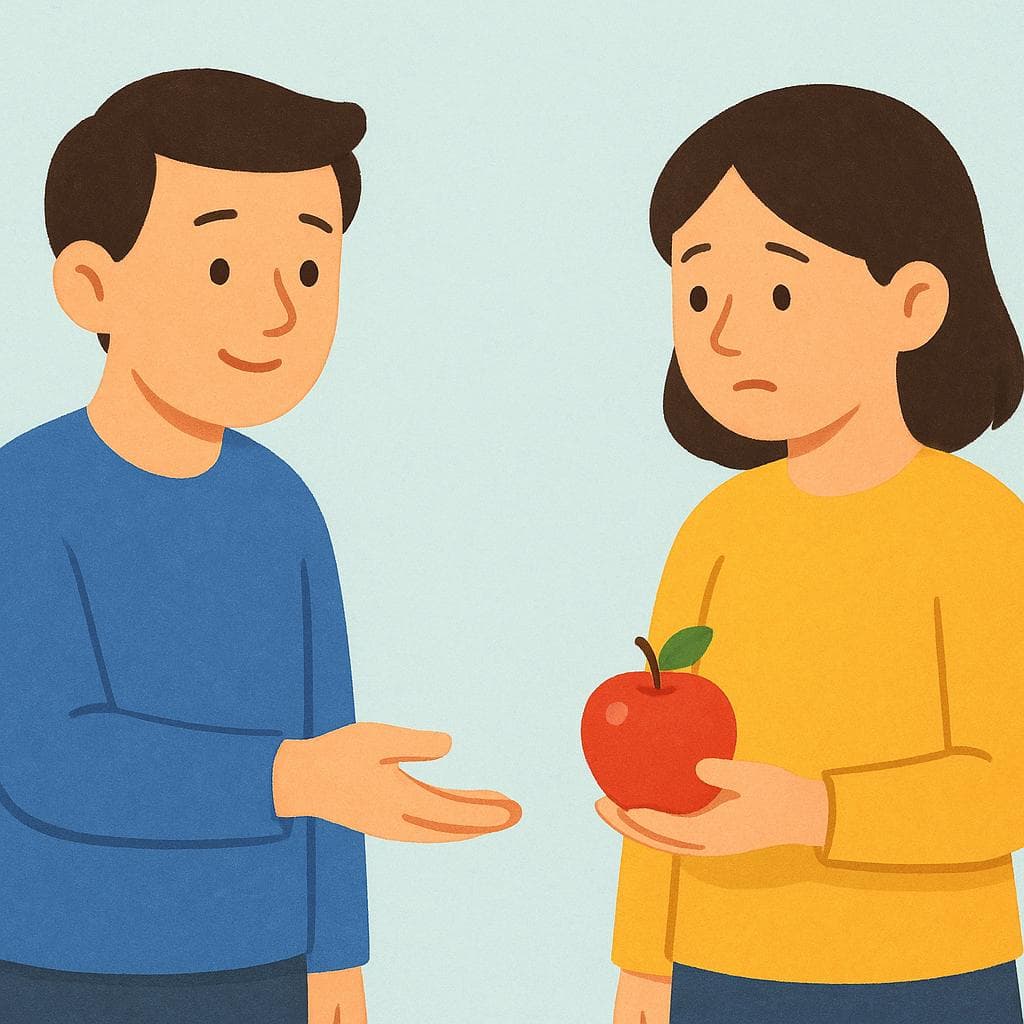
Use 'deme' when making a formal request to someone you address as 'usted'.
Learn more →
Use 'denme' when commanding or requesting something from a group of people.
Learn more →Use 'déjame' when asking someone to leave something behind for you, rather than handing it directly to you.
Learn more →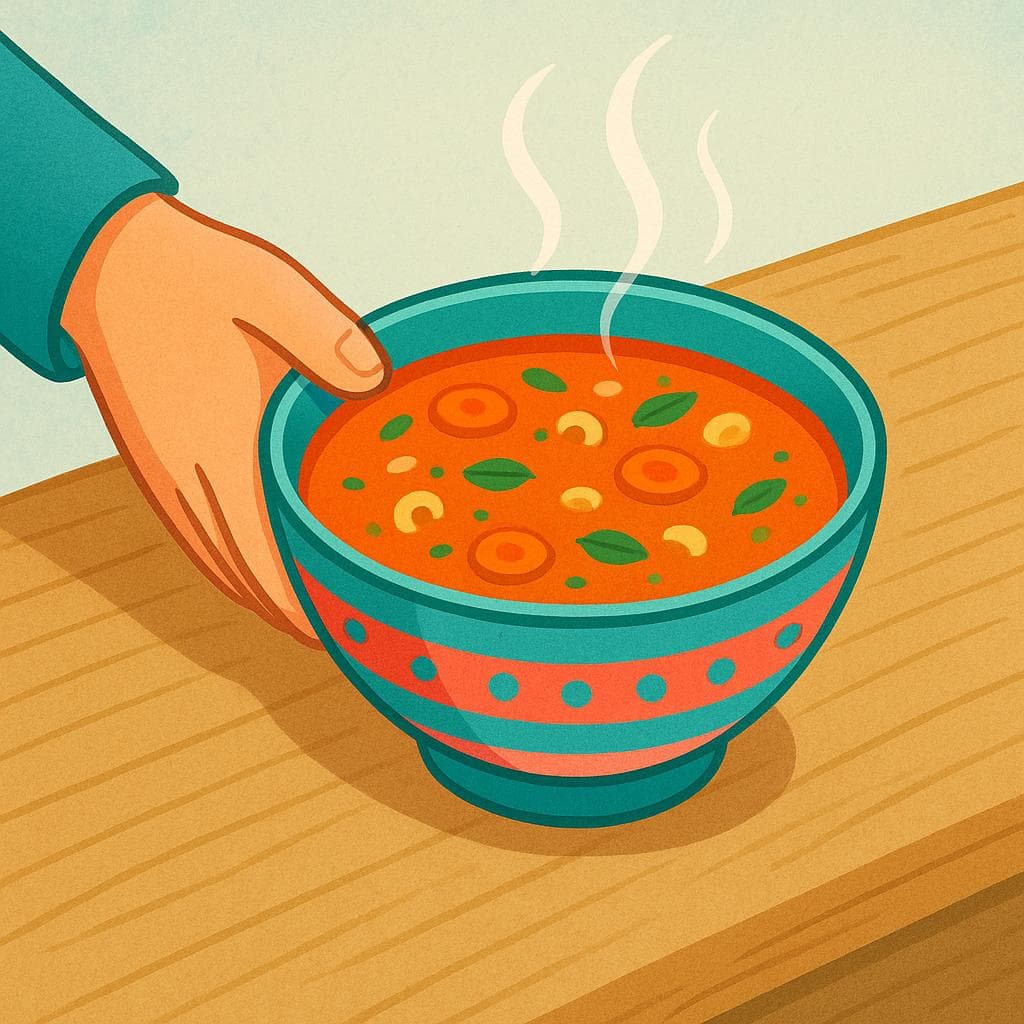
Use 'ponme' when requesting an item, especially food or drink, to be served or prepared for you.
Learn more →DAH-mehˈda.me
Examples
Dame el libro, por favor.
Give me the book, please.
Dame un minuto, ya casi termino.
Give me a minute, I'm almost done.
Si tienes frío, dame la mano.
If you're cold, give me your hand.
Two Words in One!
'Dame' is actually two words squished together: 'da' (the command 'give') and 'me' ('to me' or 'me'). When you give a positive command in Spanish, you attach these little words directly to the end of the verb.
Informal 'You' (tú)
'Dame' is the command you use with friends, family, or people your age (the 'tú' form). For someone you'd address as 'usted' (like a boss or a stranger), you would say 'déme'.
Negative Commands are Different
Mistake: “No dame eso.”
Correction: No me des eso. (Don't give me that.) For negative commands ('don't do something'), the little word 'me' moves to the front of the verb, and the verb form changes. They don't stick together like they do for positive commands.
'dame' vs. 'darme'
Mistake: “Quiero dame un regalo.”
Correction: Quiero darme un regalo. (I want to give myself a gift.) 'Dame' is only for commands. When it follows another verb like 'quiero' (I want) or 'puedes' (you can), you need the base form 'darme'.
DEH-mehˈde.me
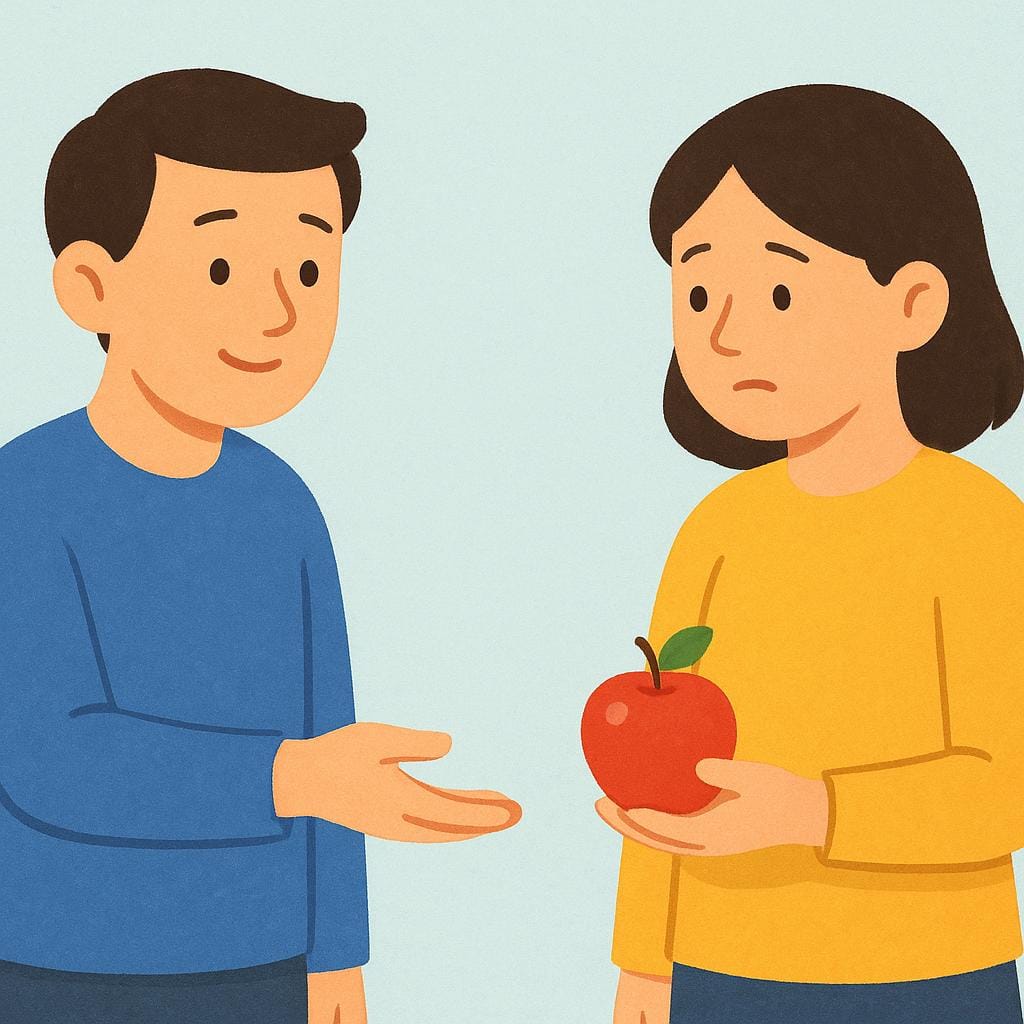
Examples
Deme un vaso de agua, por favor.
Give me a glass of water, please.
Si no le gusta, deme el recibo y le devuelvo el dinero.
If you don't like it, give me the receipt and I will give you the money back.
Deme su número para llamarle mañana.
Give me your number so I can call you tomorrow.
A Command + A Pronoun
‘Deme’ is actually two words combined: the formal command form of the verb dar (dé) and the pronoun me (me). This structure means 'Give it/something to me.'
The Accent Mark Rule
When you attach pronouns to the end of a command, you often have to add an accent mark (tílde) to the verb to keep the original sound stress in the right place. The stress is on the first syllable: DÉ-me.
Incorrect Pronoun Placement
Mistake: “Me dé un café, por favor.”
Correction: Deme un café, por favor. In Spanish affirmative commands, the 'me' must always stick to the end of the verb.
Using the Informal Command
Mistake: “Dame un café, por favor. (When speaking to a stranger/boss)”
Correction: Deme un café, por favor. Use 'deme' when you need to be polite or formal, like talking to a waiter or a professional.
DEN-mehˈdenme

Examples
Por favor, denme un momento para pensar.
Please, give me a moment to think.
¡Denme sus tareas ahora mismo!
Give me your homework right now!
Si tienen preguntas, denme una señal.
If you have questions, give me a sign.
The 'Stuck Together' Rule
When you give a direct command, pronouns like 'me' (me) get attached directly to the end of the action word to form a single word.
Addressing a Group
The 'den' part is the command form of 'dar' (to give) specifically used when you are talking to two or more people.
Using a Space
Mistake: “den me”
Correction: denme
déjame
Examples
Si sales, déjame las llaves en la mesa.
If you go out, leave me the keys on the table.
POHN-meh'pon.me
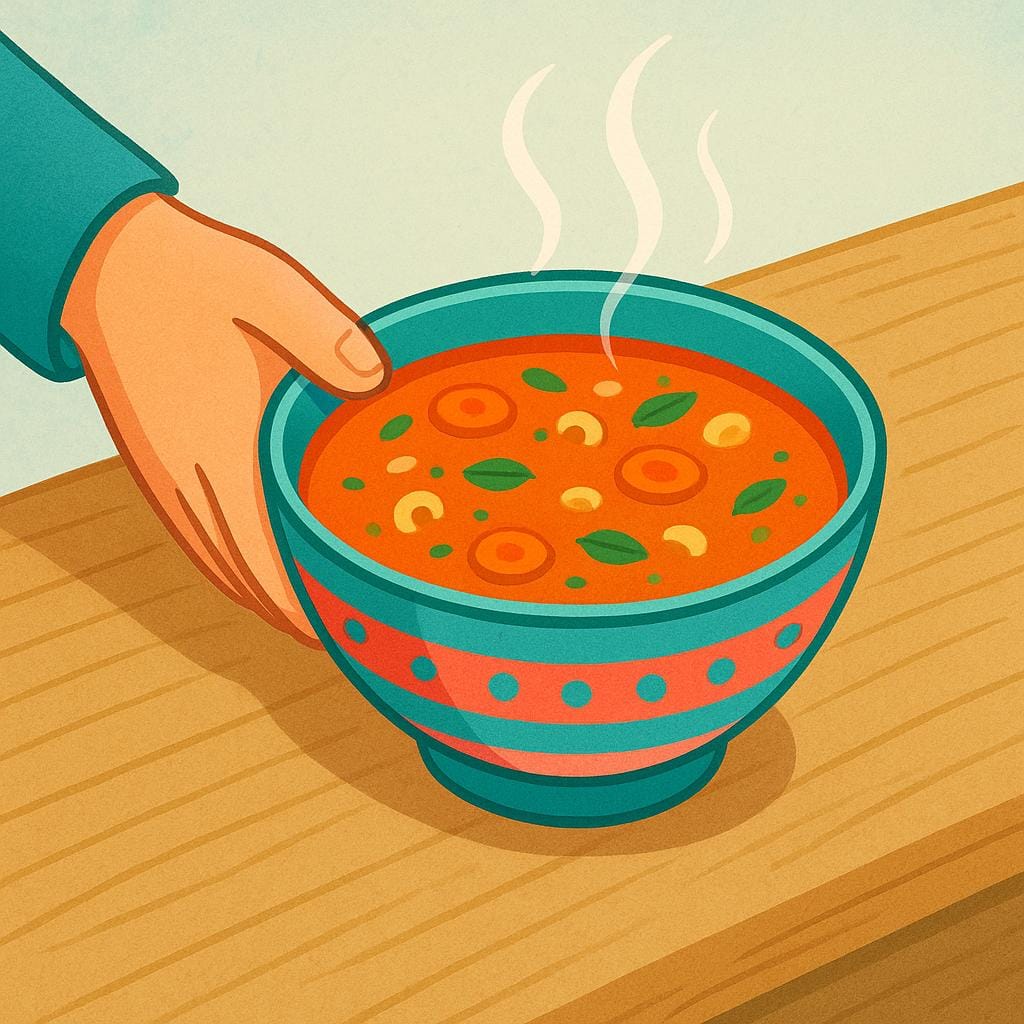
Examples
¡Ponme una cerveza bien fría, por favor!
Serve me a really cold beer, please!
Ponme el teléfono en modo silencio.
Put the phone on silent mode for me.
¿Me puedes poner más salsa? Ponme un poco más.
Can you give me more sauce? Give me a bit more.
A Fused Command
This single word is actually two parts: 'pon' (the informal command form of poner, meaning 'to put/place/serve') and 'me' (the pronoun meaning 'me').
Attaching Pronouns
When you give a positive command in Spanish, the small words (pronouns) that receive the action must be attached directly to the end of the verb.
Irregular Command Form
The command form 'pon' is one of the eight irregular informal (tú) commands. Memorize it! (Ven, di, sal, haz, ten, ve, pon, sé).
Separating the Parts
Mistake: “Me pon una cerveza.”
Correction: Ponme una cerveza. (The pronoun 'me' only goes before the verb if the command is negative: 'No me pongas...')
Informal vs. Formal 'Give Me'
The most frequent confusion for learners is choosing between 'dame' (informal 'tú') and 'deme' (formal 'usted'). Always consider your relationship with the person you're addressing; when in doubt, using 'deme' is safer in formal situations.
Related Translations
Learn Spanish with Inklingo
Interactive stories, personalized learning, and more.