How to Say "hand me" in Spanish
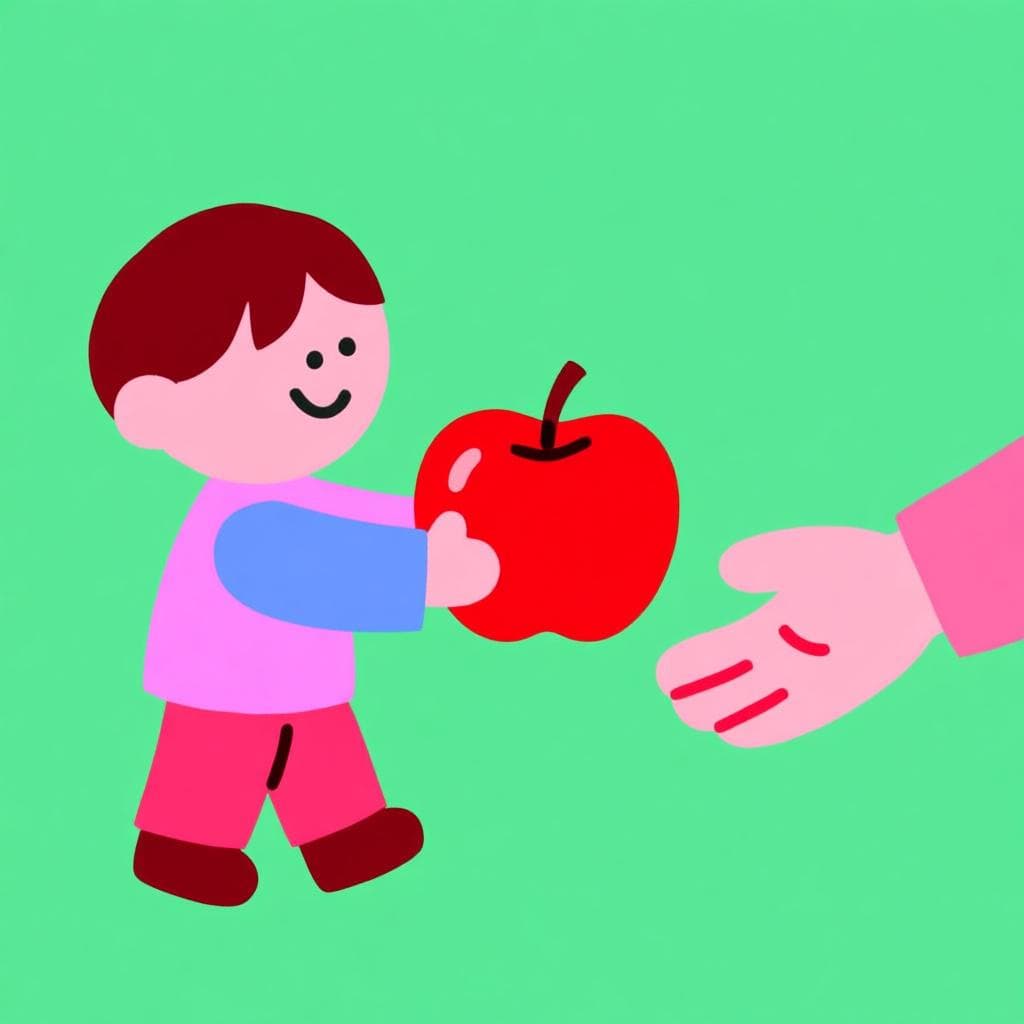
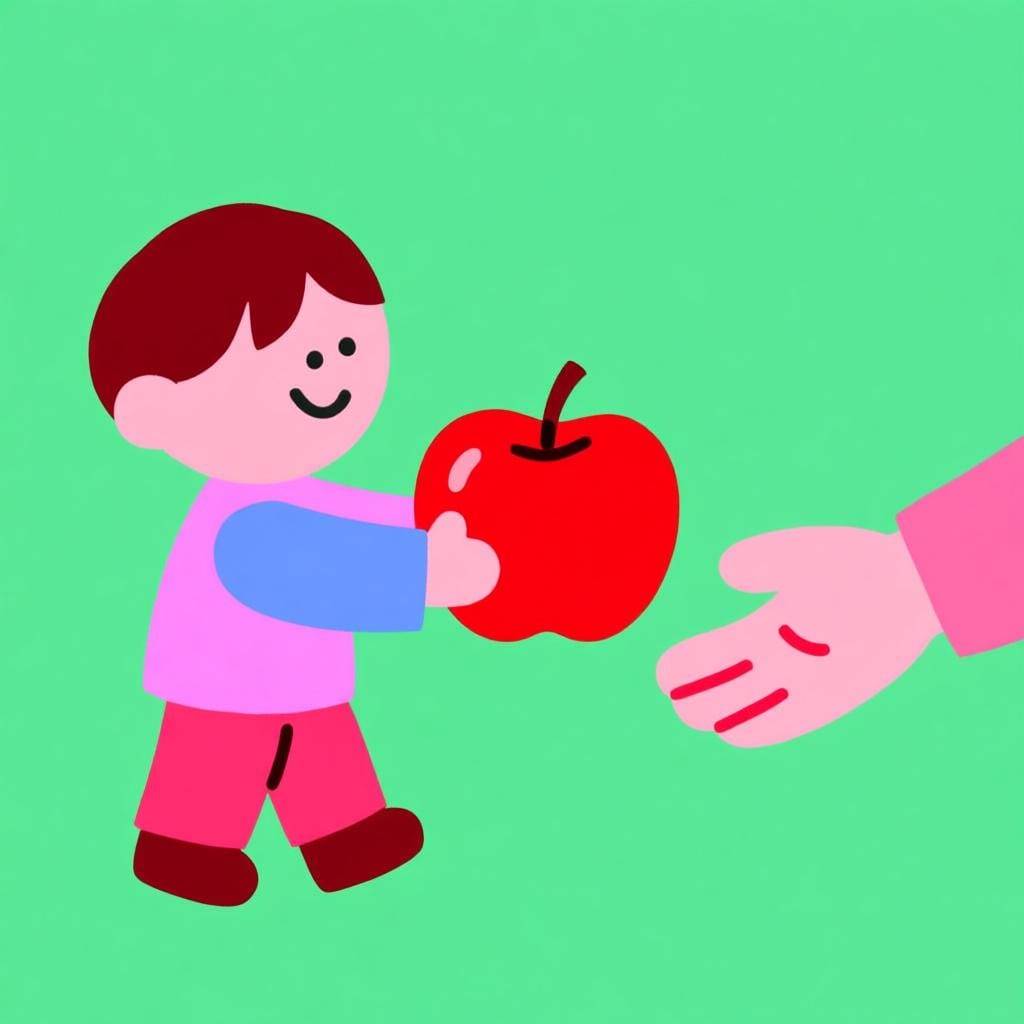
The most common Spanish word for “hand me” is “dame” — use 'dame' for a direct, informal command to give you a nearby object. It's the most common and versatile option for everyday, casual requests.
dame
DAH-mehˈda.me
Examples
Dame el libro, por favor.
Give me the book, please.
Dame un minuto, ya casi termino.
Give me a minute, I'm almost done.
Si tienes frío, dame la mano.
If you're cold, give me your hand.
Two Words in One!
'Dame' is actually two words squished together: 'da' (the command 'give') and 'me' ('to me' or 'me'). When you give a positive command in Spanish, you attach these little words directly to the end of the verb.
Informal 'You' (tú)
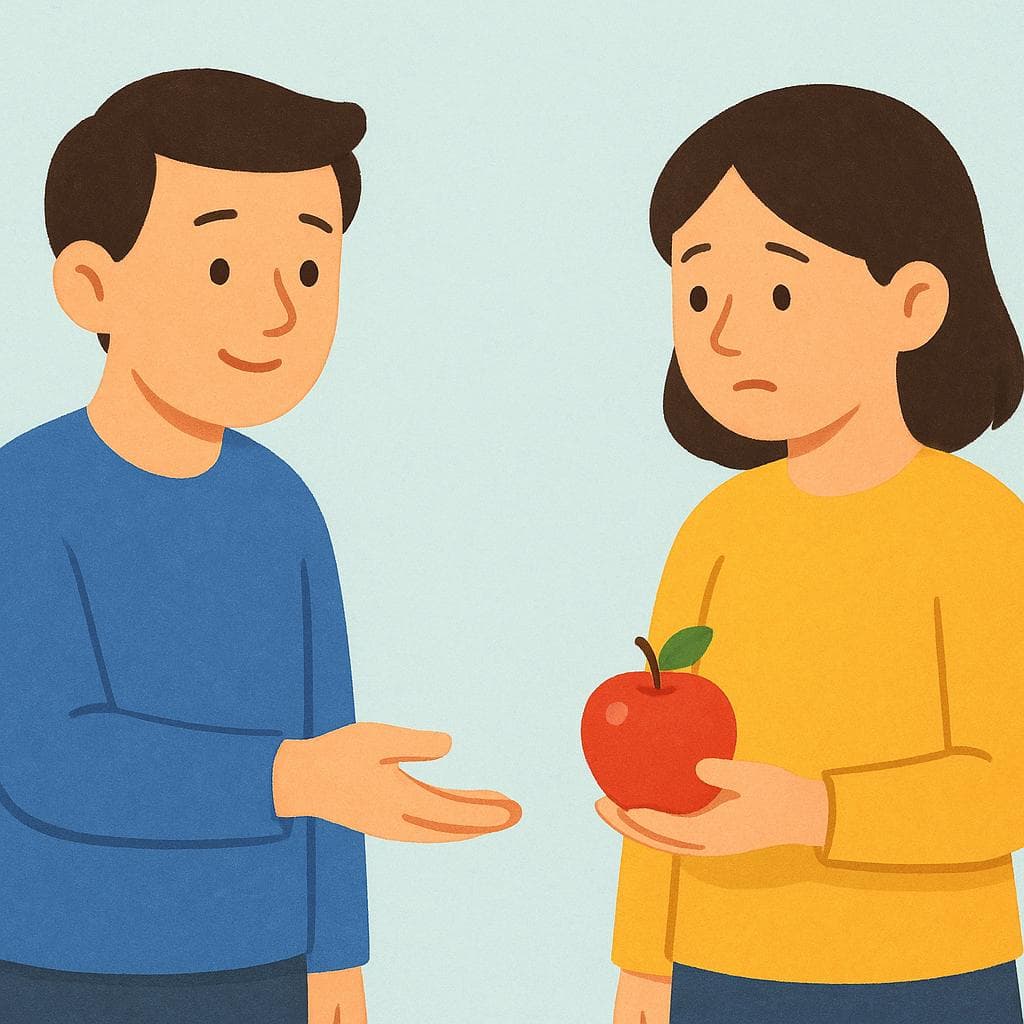
'Dame' is the command you use with friends, family, or people your age (the 'tú' form). For someone you'd address as 'usted' (like a boss or a stranger), you would say 'déme'.
Negative Commands are Different
Mistake: “No dame eso.”
Correction: No me des eso. (Don't give me that.) For negative commands ('don't do something'), the little word 'me' moves to the front of the verb, and the verb form changes. They don't stick together like they do for positive commands.
'dame' vs. 'darme'
Mistake: “Quiero dame un regalo.”
Correction: Quiero darme un regalo. (I want to give myself a gift.) 'Dame' is only for commands. When it follows another verb like 'quiero' (I want) or 'puedes' (you can), you need the base form 'darme'.
pásame
Examples
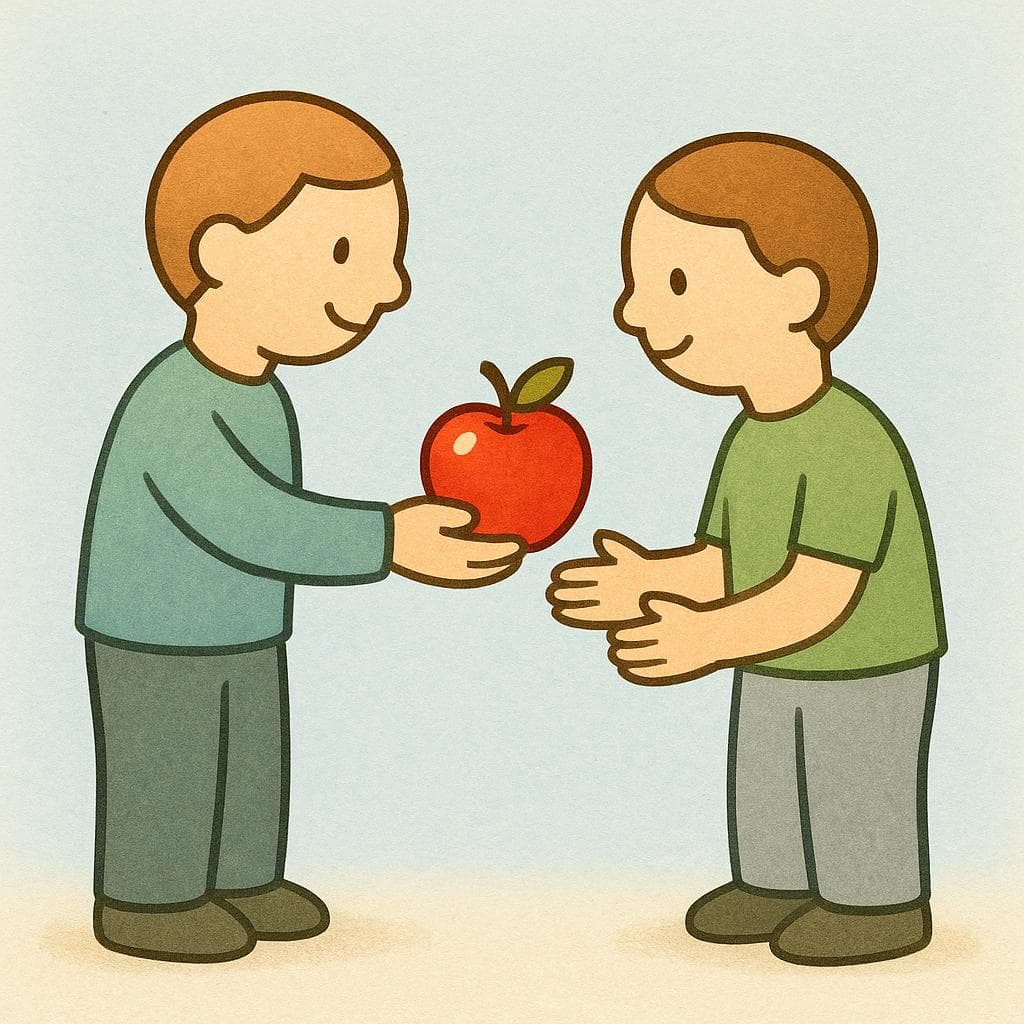
Pásame la sal, por favor. Está justo a tu lado.
Pass me the salt, please. It's right next to you.
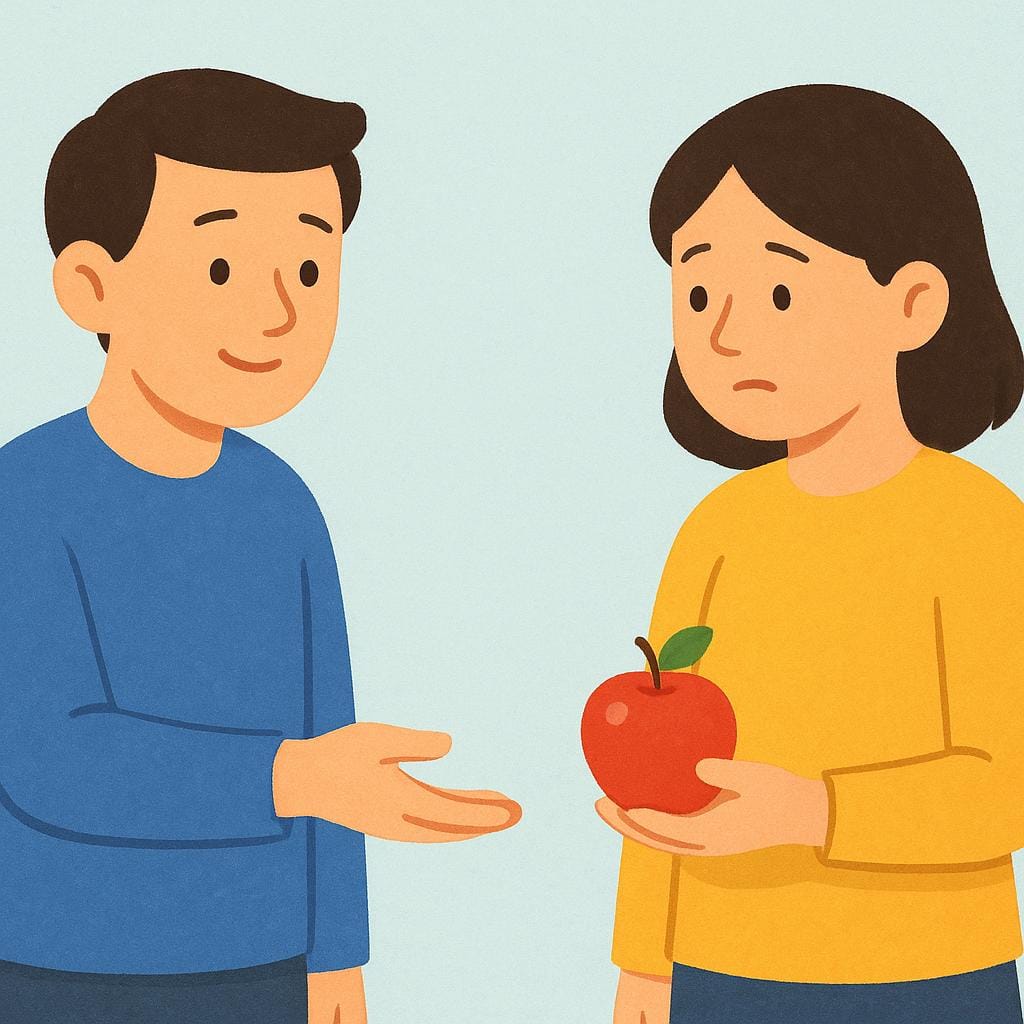
deme
DEH-mehˈde.me
Examples
Deme un vaso de agua, por favor.
Give me a glass of water, please.
Si no le gusta, deme el recibo y le devuelvo el dinero.
If you don't like it, give me the receipt and I will give you the money back.
Deme su número para llamarle mañana.
Give me your number so I can call you tomorrow.
A Command + A Pronoun
‘Deme’ is actually two words combined: the formal command form of the verb dar (dé) and the pronoun me (me). This structure means 'Give it/something to me.'
The Accent Mark Rule
When you attach pronouns to the end of a command, you often have to add an accent mark (tílde) to the verb to keep the original sound stress in the right place. The stress is on the first syllable: DÉ-me.
Incorrect Pronoun Placement
Mistake: “Me dé un café, por favor.”
Correction: Deme un café, por favor. In Spanish affirmative commands, the 'me' must always stick to the end of the verb.
Using the Informal Command
Mistake: “Dame un café, por favor. (When speaking to a stranger/boss)”
Correction: Deme un café, por favor. Use 'deme' when you need to be polite or formal, like talking to a waiter or a professional.
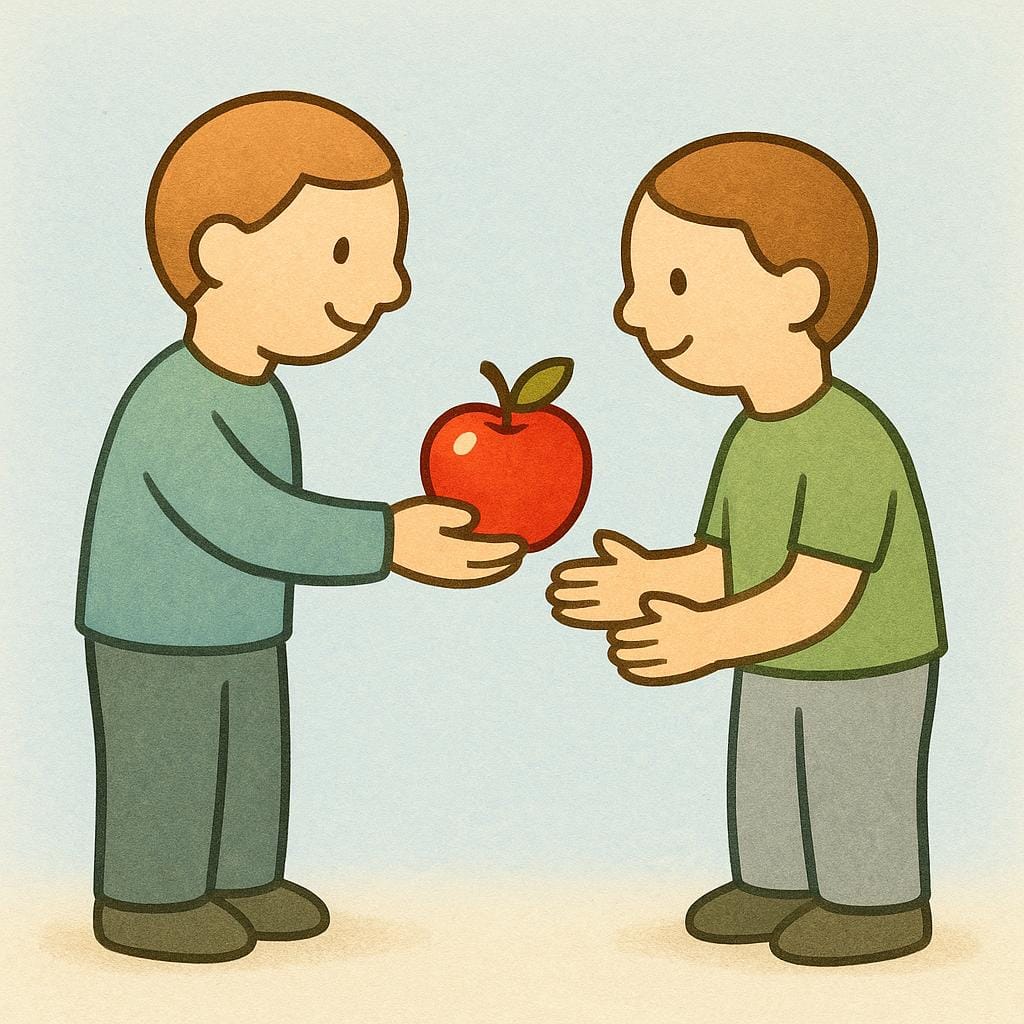
pasarme
pah-SAHR-mehpaˈsaɾme
Examples
¿Podrías pasarme la sal, por favor?
Could you pass me the salt, please?
Necesito pasarme el archivo antes de la reunión.
I need to transfer the file to myself before the meeting.
Infinitive + Me
When you see 'pasarme', it means the action of 'pasar' (to pass) is being directed at 'me' (myself/to me). The two words are joined together because 'pasar' is in its base form (infinitive).
Misplacement of 'me'
Mistake: “Me puedes pasar la sal.”
Correction: This is acceptable, but attaching the pronoun to the infinitive (Pasarme) or the gerund (Pasándome) is also very common. The rule is: if you have two verbs, the pronoun can go before the first one or attached to the second one.
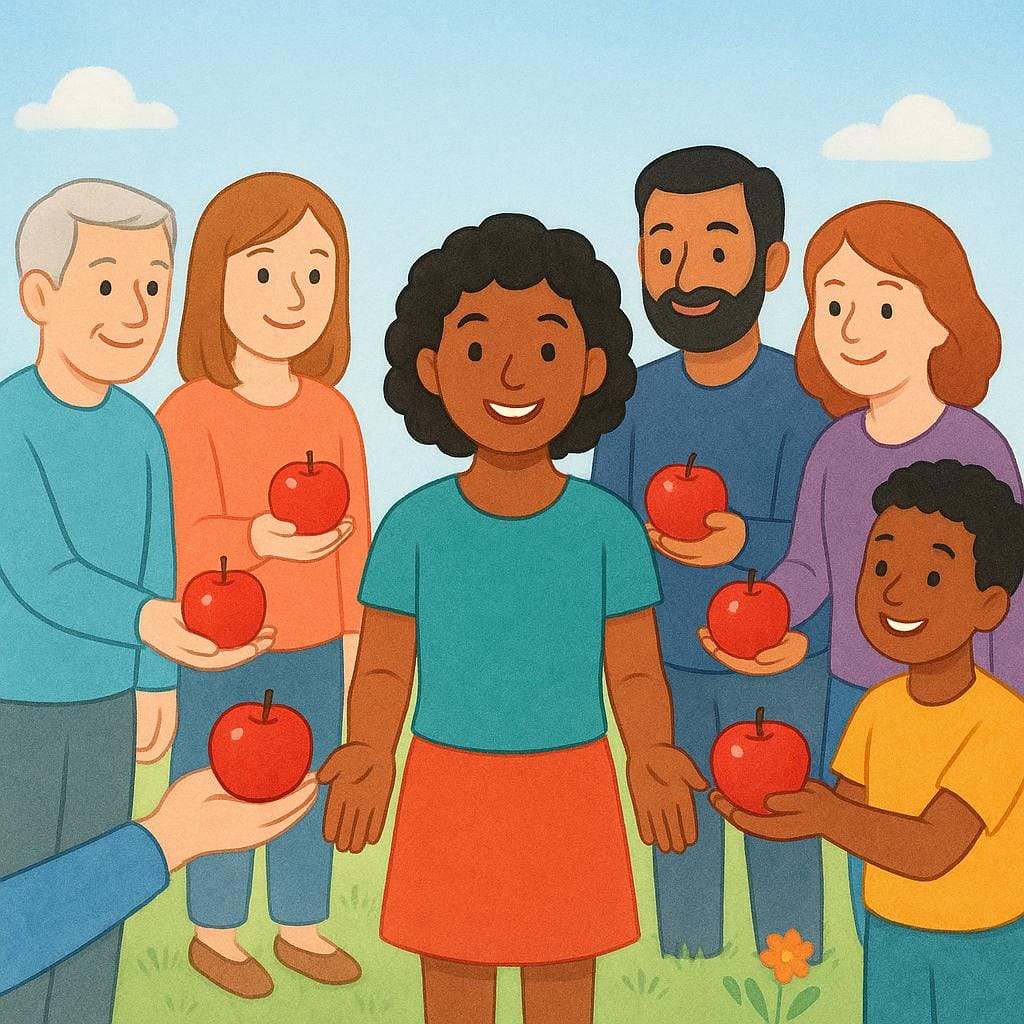
denme
DEN-mehˈdenme
Examples
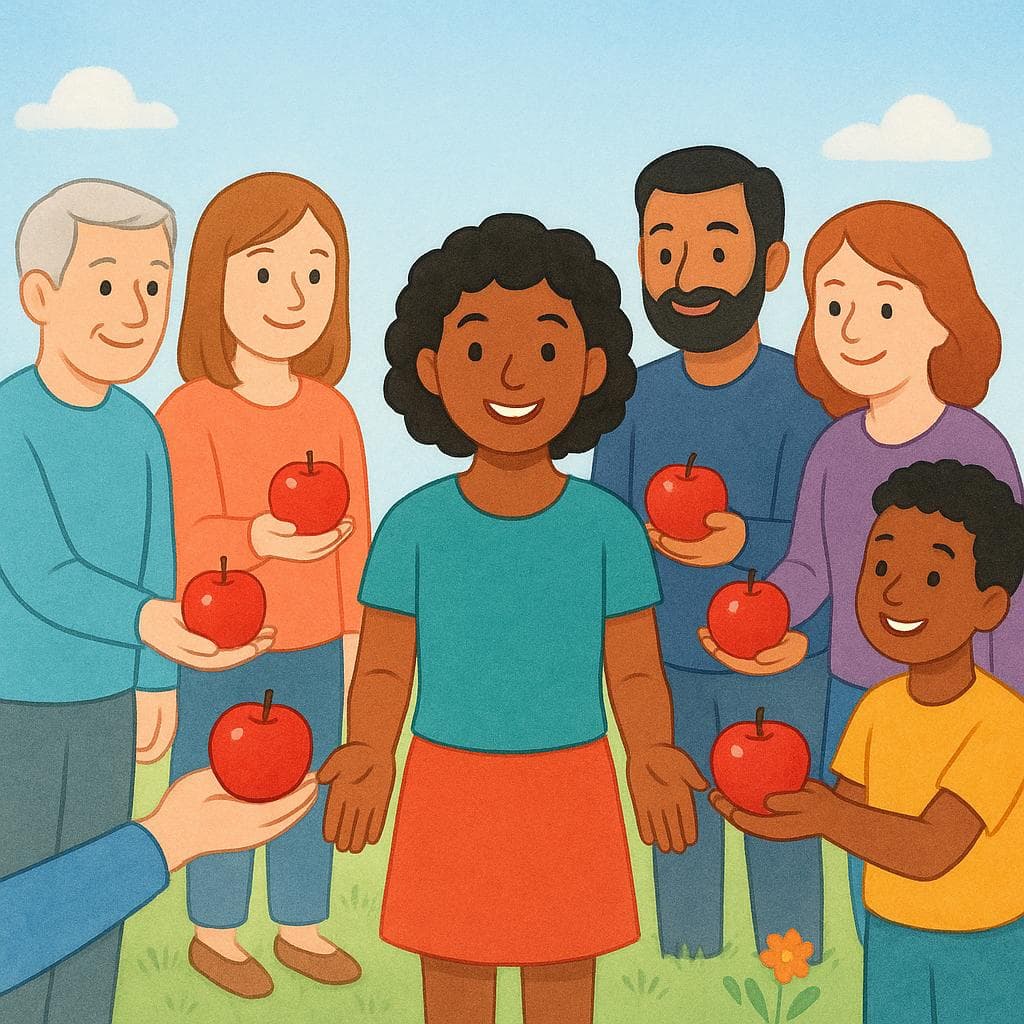
Por favor, denme un momento para pensar.
Please, give me a moment to think.
¡Denme sus tareas ahora mismo!
Give me your homework right now!
Si tienen preguntas, denme una señal.
If you have questions, give me a sign.
The 'Stuck Together' Rule
When you give a direct command, pronouns like 'me' (me) get attached directly to the end of the action word to form a single word.
Addressing a Group
The 'den' part is the command form of 'dar' (to give) specifically used when you are talking to two or more people.
Using a Space
Mistake: “den me”
Correction: denme
Informal vs. Formal 'Give Me'
Related Translations
Learn Spanish with Inklingo
Interactive stories, personalized learning, and more.