How to Say "gunman" in Spanish
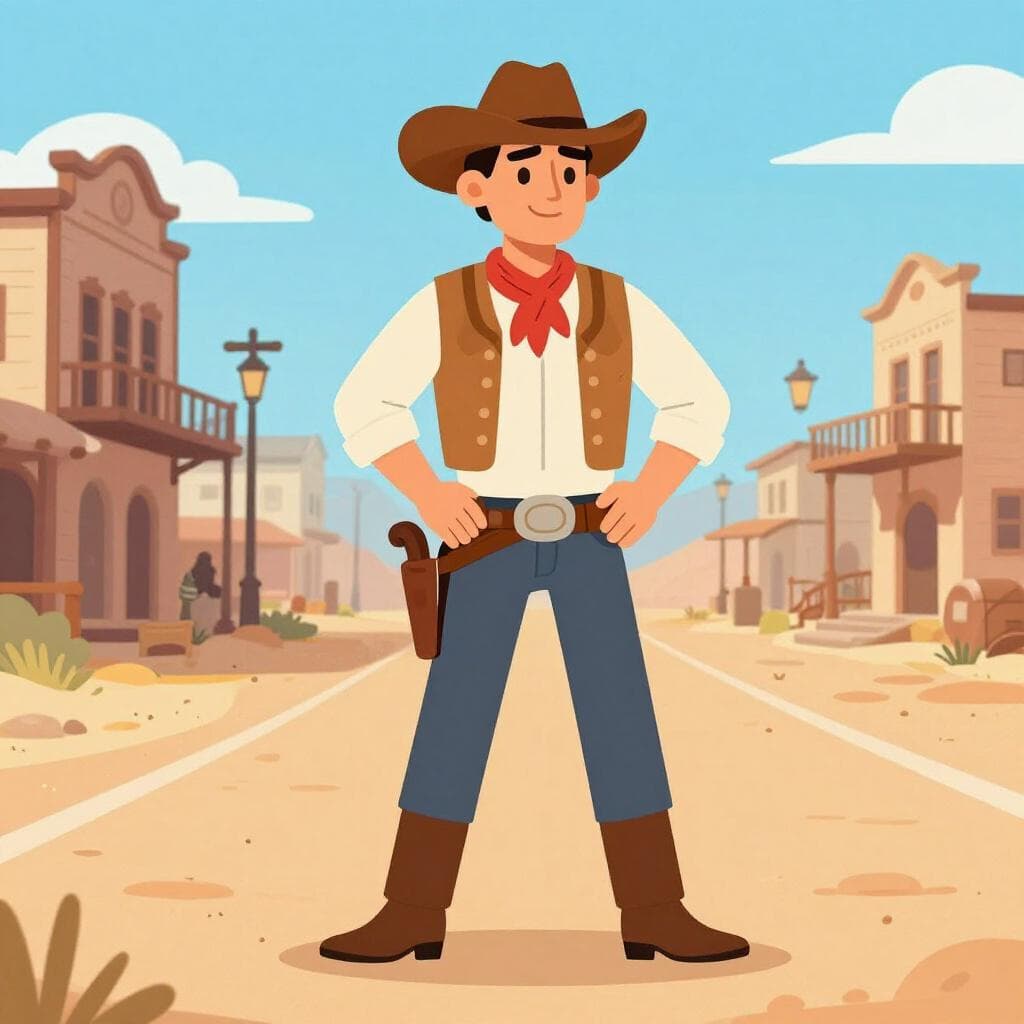
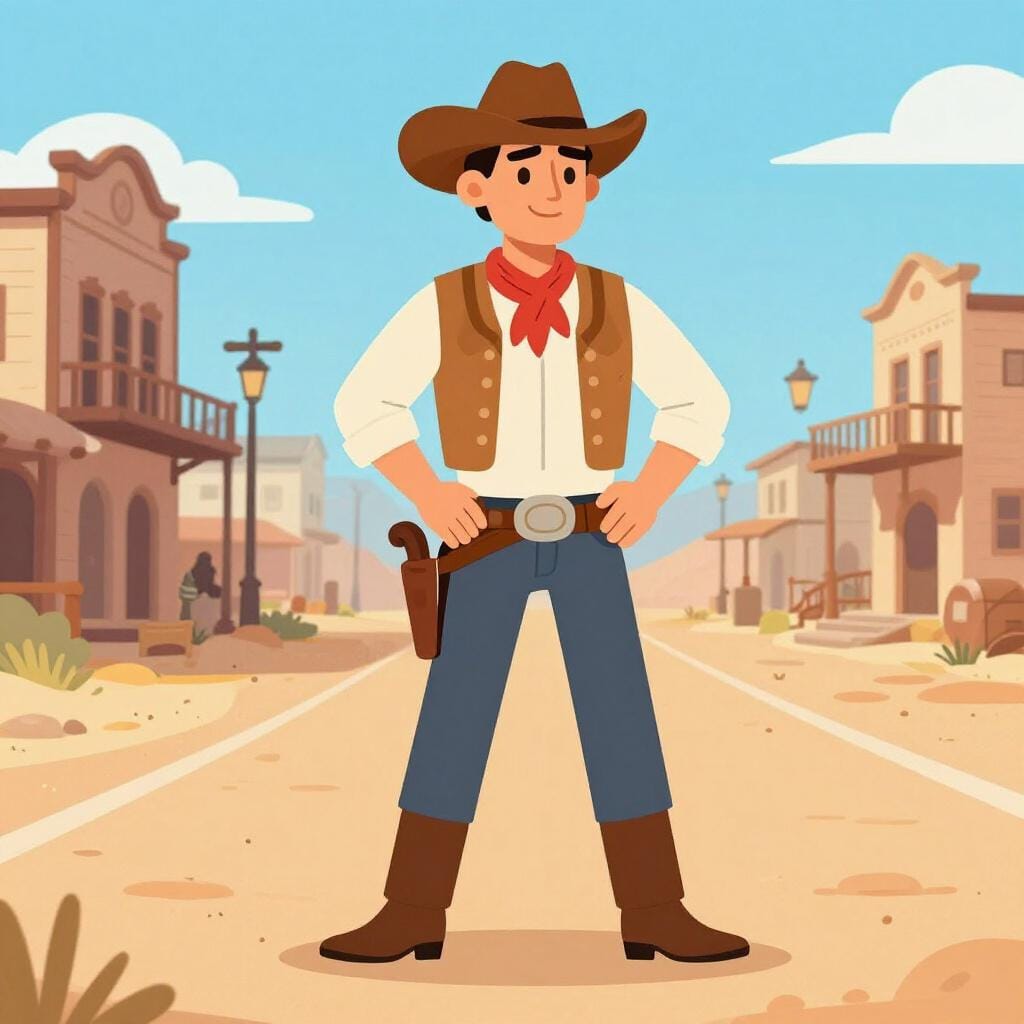
The most common Spanish word for “gunman” is “pistolero” — use 'pistolero' for an individual who carries and uses a gun, especially in a criminal or a Wild West-type setting.
pistolero
pees-toh-LEH-rohpistoˈleɾo
Examples
El pistolero entró silenciosamente en el salón.
The gunslinger entered the saloon quietly.
En las películas del oeste, siempre hay un pistolero solitario.
In Western movies, there is always a lone gunslinger.
La policía busca al pistolero responsable del robo.
The police are looking for the gunman responsible for the robbery.
The '-ero' ending
The ending '-ero' in Spanish is often added to an object to describe the person who uses it or works with it. Since 'pistola' is a pistol, a 'pistolero' is the person using it.
The 'Personal A'
If you are talking about seeing, finding, or calling a 'pistolero,' you must put the little word 'a' before it (e.g., 'Vi a un pistolero'). This happens because the gunman is a person receiving the action.
Confusing with soldiers
Mistake: “Using 'pistolero' for a professional soldier in the army.”
Correction: Use 'soldado' for the military. A 'pistolero' is usually an outlaw, a criminal, or a character in a movie.
armado
ar-MAH-dohaɾˈmaðo
Examples
Los armados tomaron el edificio durante la noche.
The armed men/forces took the building during the night.
Hubo un enfrentamiento entre la policía y un grupo de armados.
There was a confrontation between the police and a group of armed individuals.
Adjective acting as a Noun
This is a common Spanish structure where an adjective ('armed') describes a general group of people, so you just add the article: 'los armados' means 'the armed ones/people'.
Individual vs. Group Context
Related Translations
Learn Spanish with Inklingo
Interactive stories, personalized learning, and more.