How to Say "heads up!" in Spanish
The most common Spanish word for “heads up!” is “aguas” — use '¡Aguas!' when warning someone about a potential physical danger that is imminent or coming from above, like falling objects or a slippery surface.

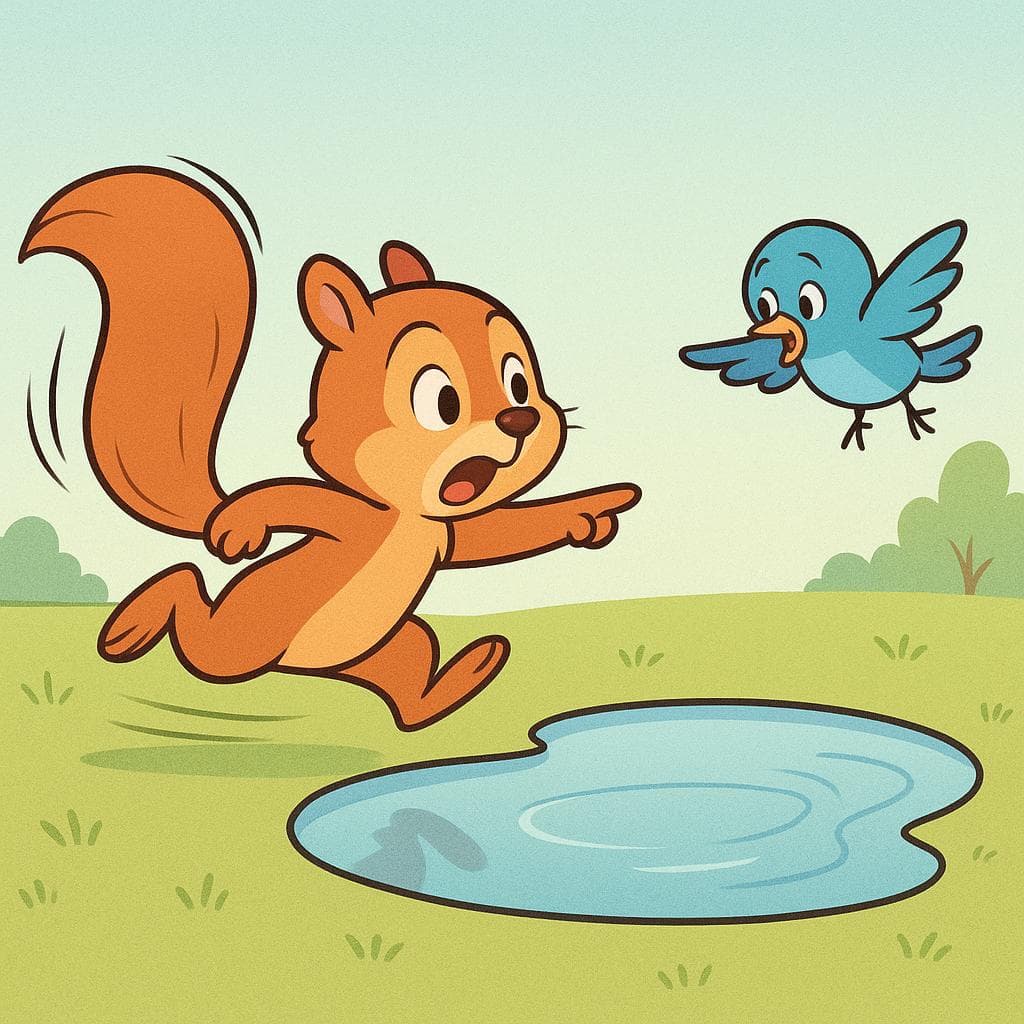
aguas
AH-gwasˈaɣwas

Examples
¡Aguas! Viene una pelota volando hacia ti.
Heads up! A ball is coming your way.
¡Aguas! El piso está resbaloso.
Look out! The floor is slippery.
Cuando grité '¡Aguas!', todos se movieron rápidamente.
When I shouted 'Heads up!', everyone moved quickly.
A Fixed Expression
This is a set phrase that always stays the same, regardless of who you are talking to. Think of it as a single, urgent command.
ojo
OH-hohˈoxo
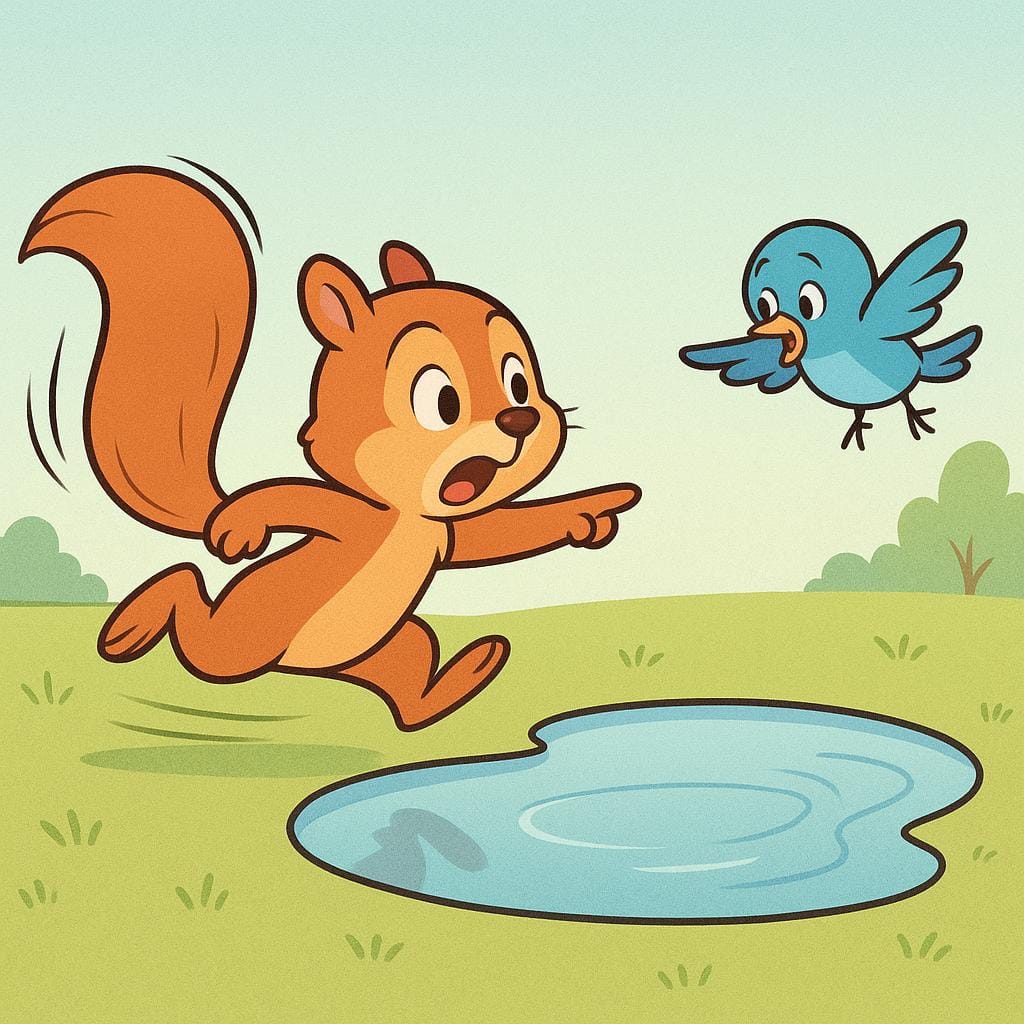
Examples
¡Ojo! No olvides cerrar la puerta con llave.
Heads up! Don't forget to lock the door.
¡Ojo! Hay un coche detrás de ti.
Watch out! There's a car behind you.
Ojo, mañana tenemos que entregar el proyecto sin falta.
Heads up, tomorrow we have to turn in the project without fail.
Always Singular
When used as a warning, 'ojo' is always used in the singular, often followed by an exclamation mark.
Aguas vs. Ojo: Physical Danger vs. General Caution
Related Translations
Learn Spanish with Inklingo
Interactive stories, personalized learning, and more.