How to Say "watch out!" in Spanish
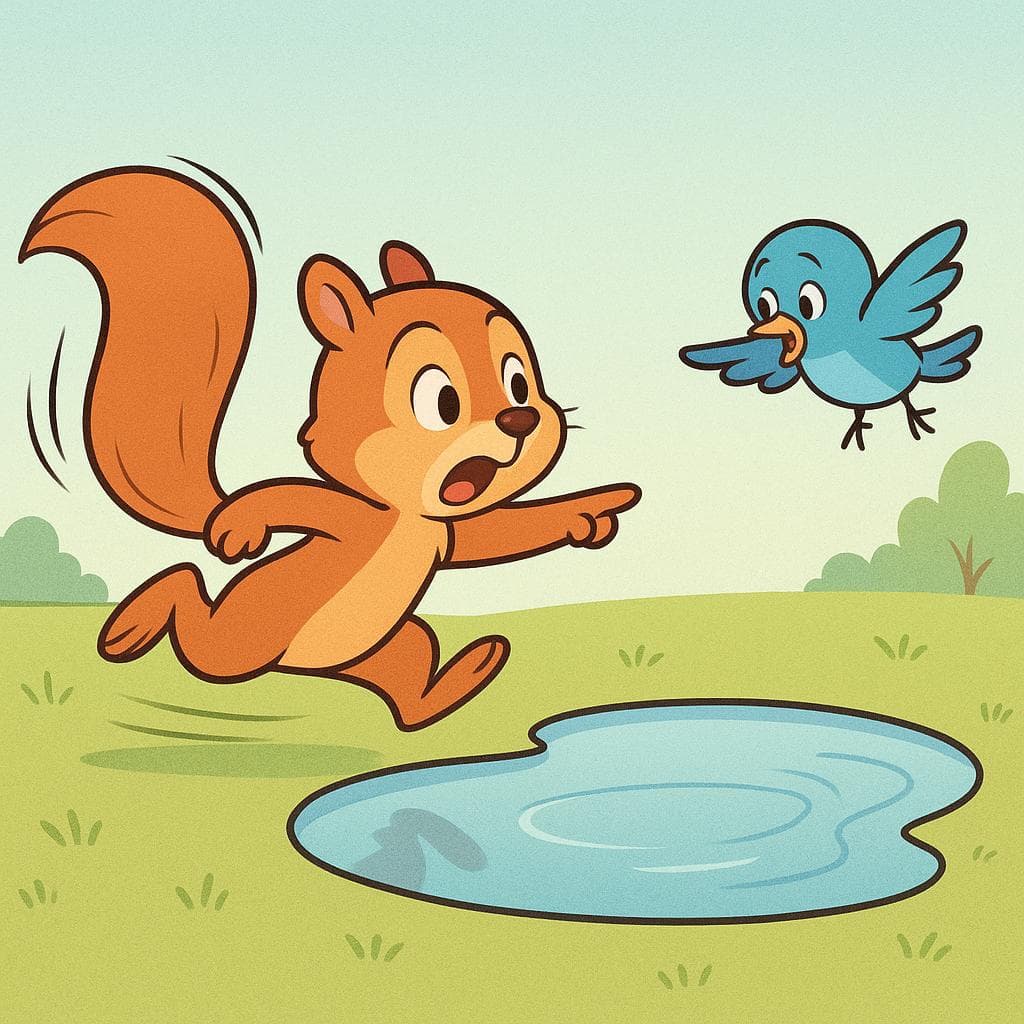
The most common Spanish word for “watch out!” is “cuidado” — use `cuidado` when warning someone about an immediate or physical danger that requires their attention to avoid harm.

cuidado
kwee-DAH-dohkwiˈða.ðo

Examples
¡Cuidado! El suelo está mojado.
Watch out! The floor is wet.
¡Cuidado con el perro!
Be careful of the dog!
¡Cuidado, que te caes!
Be careful, you're going to fall!
Warning About Something Specific
To warn someone about a particular thing, use the structure '¡Cuidado con + [the thing]!'. For example, '¡Cuidado con el coche!' (Watch out for the car!).
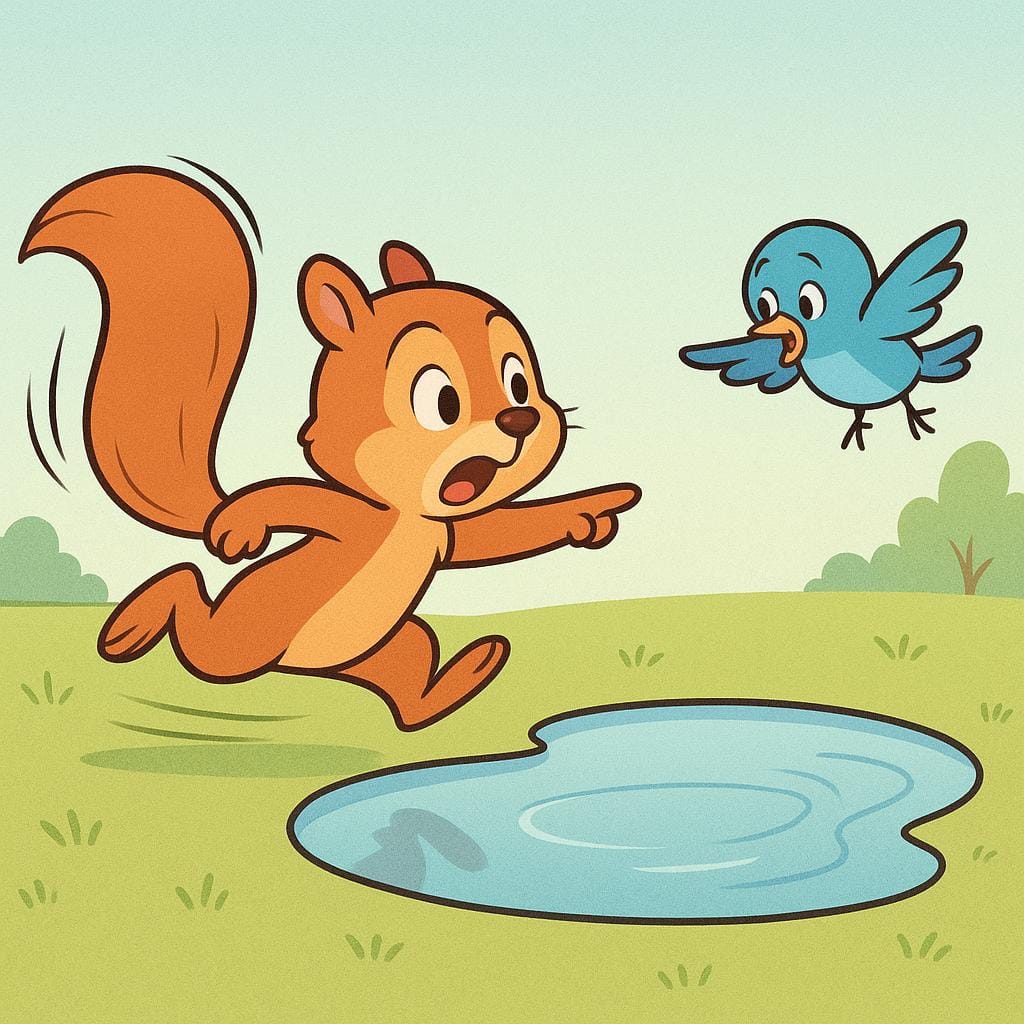
ojo
OH-hohˈoxo
Examples
¡Ojo! Hay un coche detrás de ti.
Watch out! There's a car behind you.
Ojo, mañana tenemos que entregar el proyecto sin falta.
Heads up, tomorrow we have to turn in the project without fail.
Always Singular
When used as a warning, 'ojo' is always used in the singular, often followed by an exclamation mark.
Choosing between 'cuidado' and 'ojo'
Related Translations
Learn Spanish with Inklingo
Interactive stories, personalized learning, and more.