How to Say "healthy" in Spanish
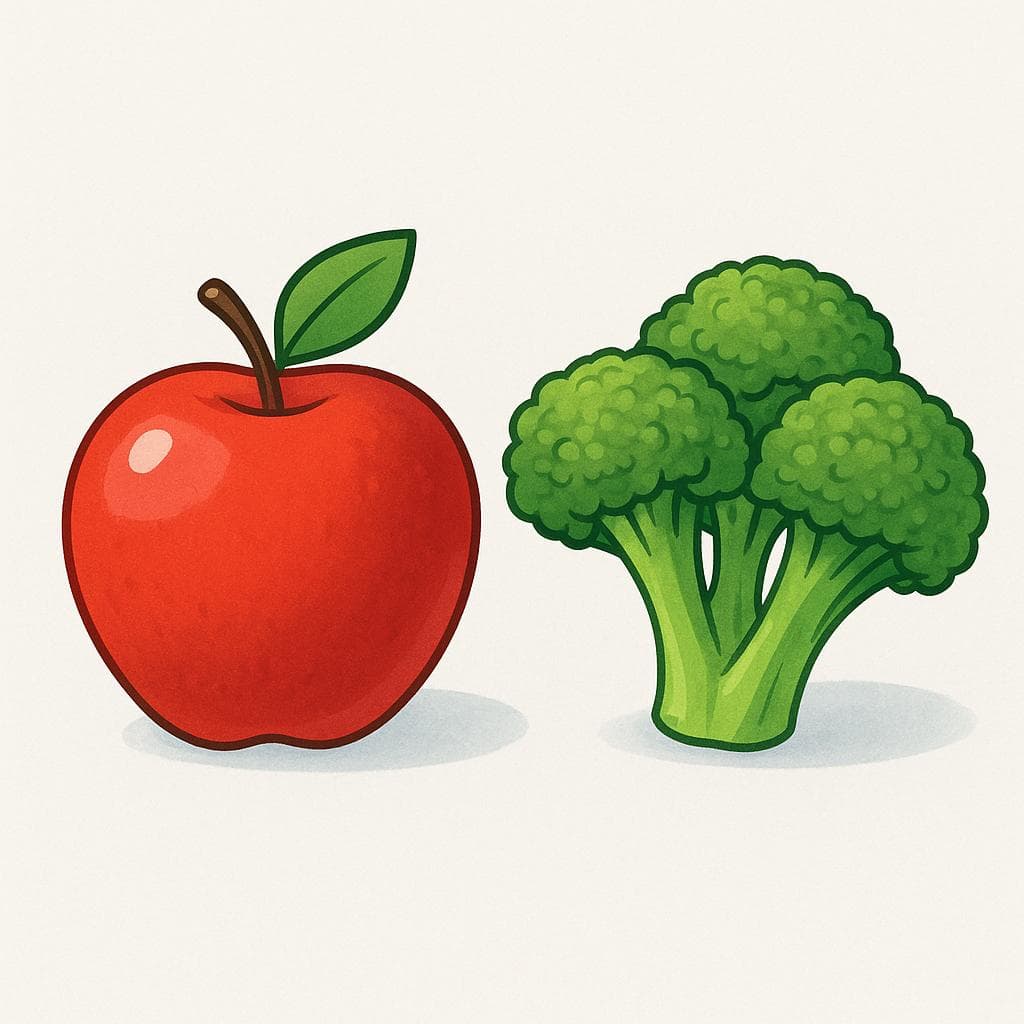
The most common Spanish word for “healthy” is “saludable” — use 'saludable' when referring to things that promote or indicate good health, such as foods, habits, or environments.

saludable
sah-loo-DAH-blehsa.luˈða.βle
Examples
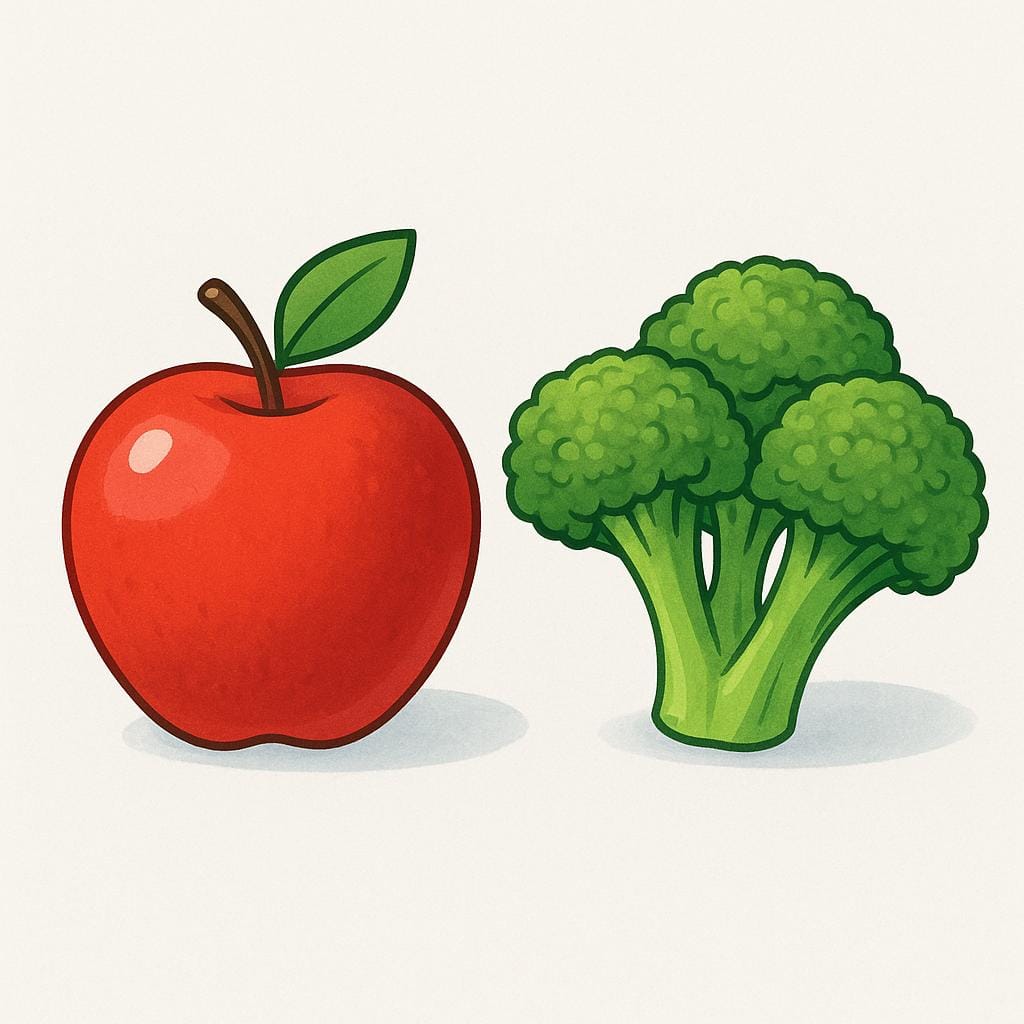
Comer muchas frutas y verduras es muy saludable.
Eating lots of fruits and vegetables is very healthy.
Comer muchas frutas y verduras es muy **saludable**.
Eating lots of fruits and vegetables is very healthy.
Buscamos un ambiente de trabajo más **saludable** y menos estresante.
We are looking for a more healthful and less stressful work environment.
Ella adoptó hábitos **saludables** después de su viaje.
She adopted healthy habits after her trip.
Gender-Neutral Adjective
Since this word ends in '-ble' (a form of '-able'), it always stays the same regardless of whether the noun is masculine or feminine (e.g., el pan saludable, la manzana saludable). You only change it for plurals (saludables).
Saludable vs. Sano
Mistake: “Using *saludable* to mean 'not sick' (e.g., *Estoy saludable*).”
Correction: Use *sano* or *bien* when talking about a person's physical state of not being ill. Use *saludable* for things, habits, or food that promote health. Correction: *Estoy sano* (I am healthy/well).
sano
SAH-nohˈsa.no

Examples
Después de la cirugía, el paciente está completamente sano.
After the surgery, the patient is completely healthy.
¿Estás sano? No te vi en clase ayer.
Are you well? I didn't see you in class yesterday.
Gender and Number Agreement
As an adjective, 'sano' must match the gender (masculine/feminine) and number (singular/plural) of the noun it describes: 'un chico sano' (a healthy boy), 'una chica sana' (a healthy girl).
Using 'sano' for 'tasty'
Mistake: “This food is sano.”
Correction: Use 'rico' or 'delicioso' for tasty. While 'sano' means healthy, it doesn't imply flavor.
Sano vs. Saludable
Related Translations
Learn Spanish with Inklingo
Interactive stories, personalized learning, and more.