How to Say "wholesome" in Spanish
The most common Spanish word for “wholesome” is “saludable” — use this word when referring to food, or sometimes an atmosphere, that is good for your health and promotes well-being.
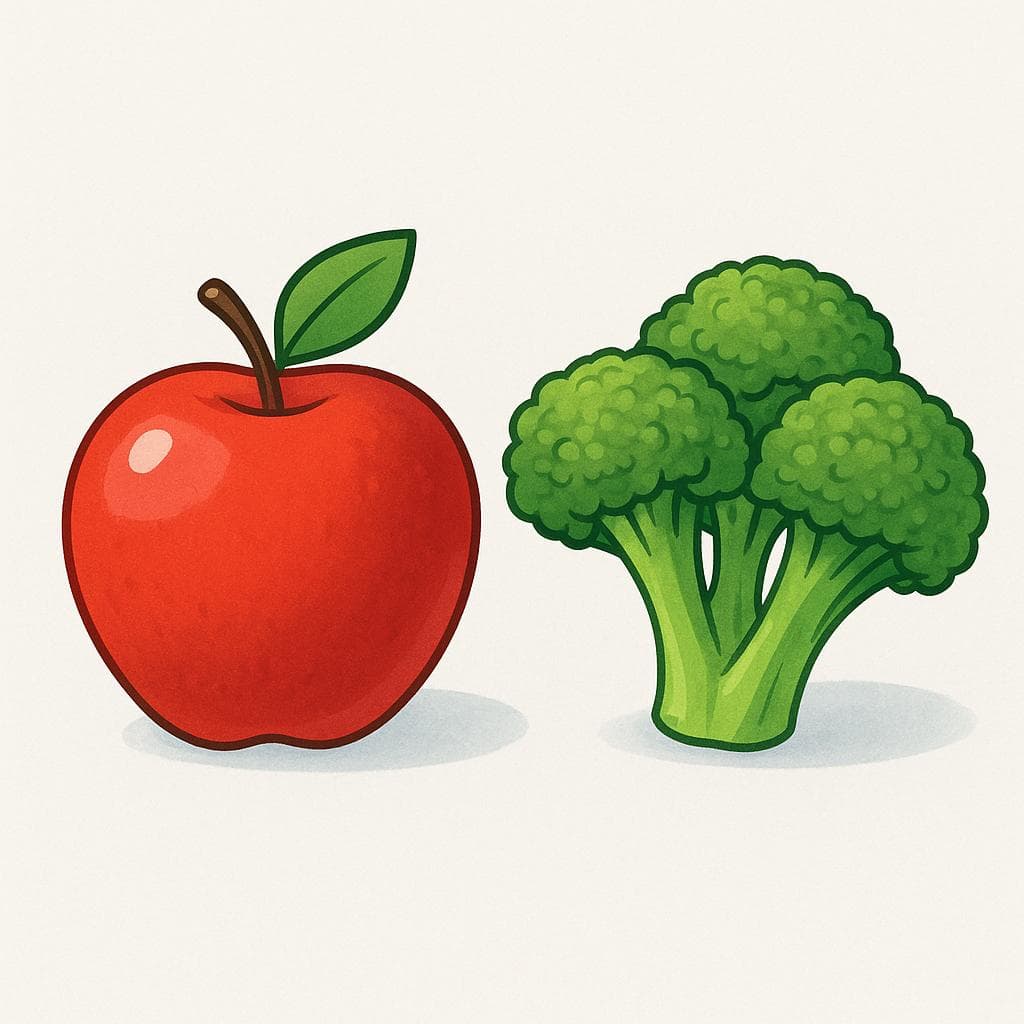
Use this word when referring to food, or sometimes an atmosphere, that is good for your health and promotes well-being.
Learn more →
This word applies to things that are beneficial for physical health or moral well-being, often implying a lack of corruption or damage.
Learn more →Choose this word to describe something that has a positive and helpful effect, particularly on the body or mind, often in a more formal or scientific context.
Learn more →sah-loo-DAH-blehsa.luˈða.βle
Examples
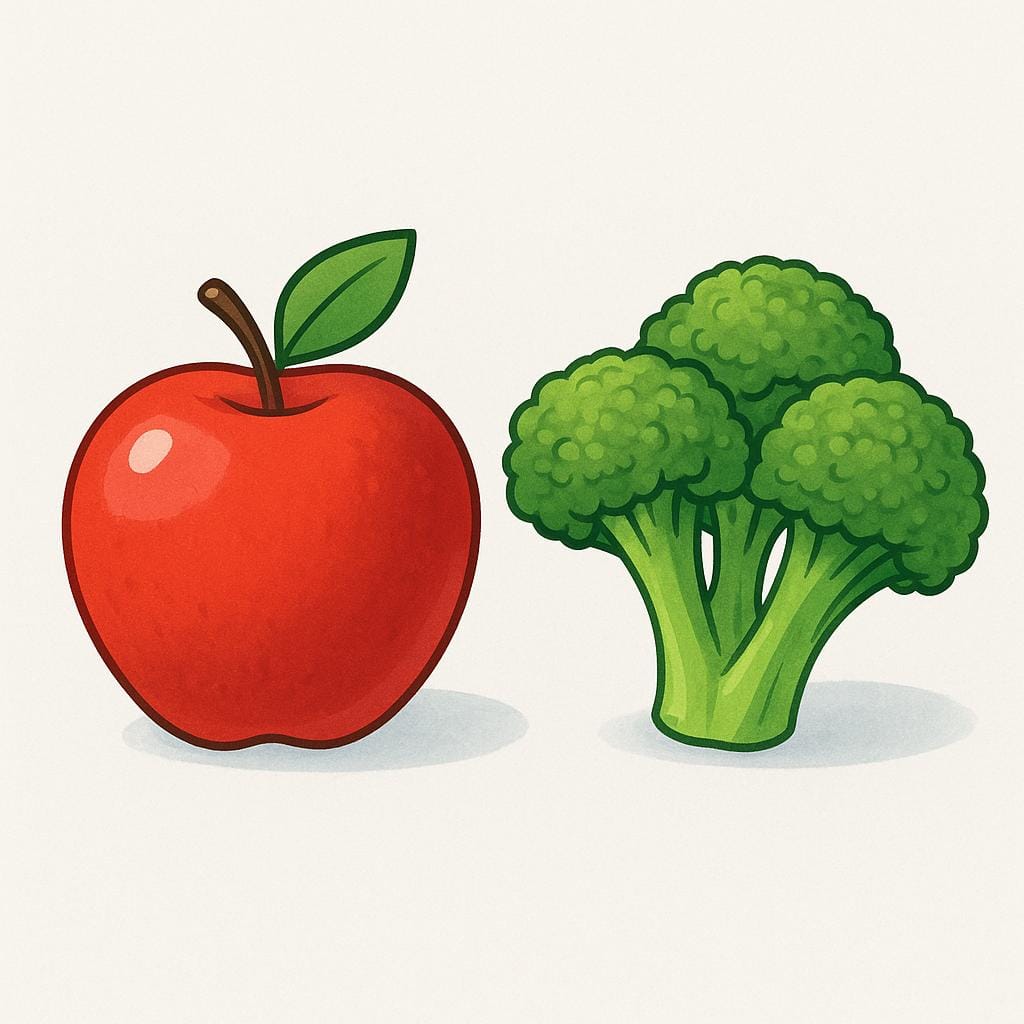
Comer muchas frutas y verduras es muy saludable.
Eating lots of fruits and vegetables is very healthy.
Comer muchas frutas y verduras es muy **saludable**.
Eating lots of fruits and vegetables is very healthy.
Buscamos un ambiente de trabajo más **saludable** y menos estresante.
We are looking for a more healthful and less stressful work environment.
Ella adoptó hábitos **saludables** después de su viaje.
She adopted healthy habits after her trip.
Gender-Neutral Adjective
Since this word ends in '-ble' (a form of '-able'), it always stays the same regardless of whether the noun is masculine or feminine (e.g., el pan saludable, la manzana saludable). You only change it for plurals (saludables).
Saludable vs. Sano
Mistake: “Using *saludable* to mean 'not sick' (e.g., *Estoy saludable*).”
Correction: Use *sano* or *bien* when talking about a person's physical state of not being ill. Use *saludable* for things, habits, or food that promote health. Correction: *Estoy sano* (I am healthy/well).
SAH-nohˈsa.no
Examples
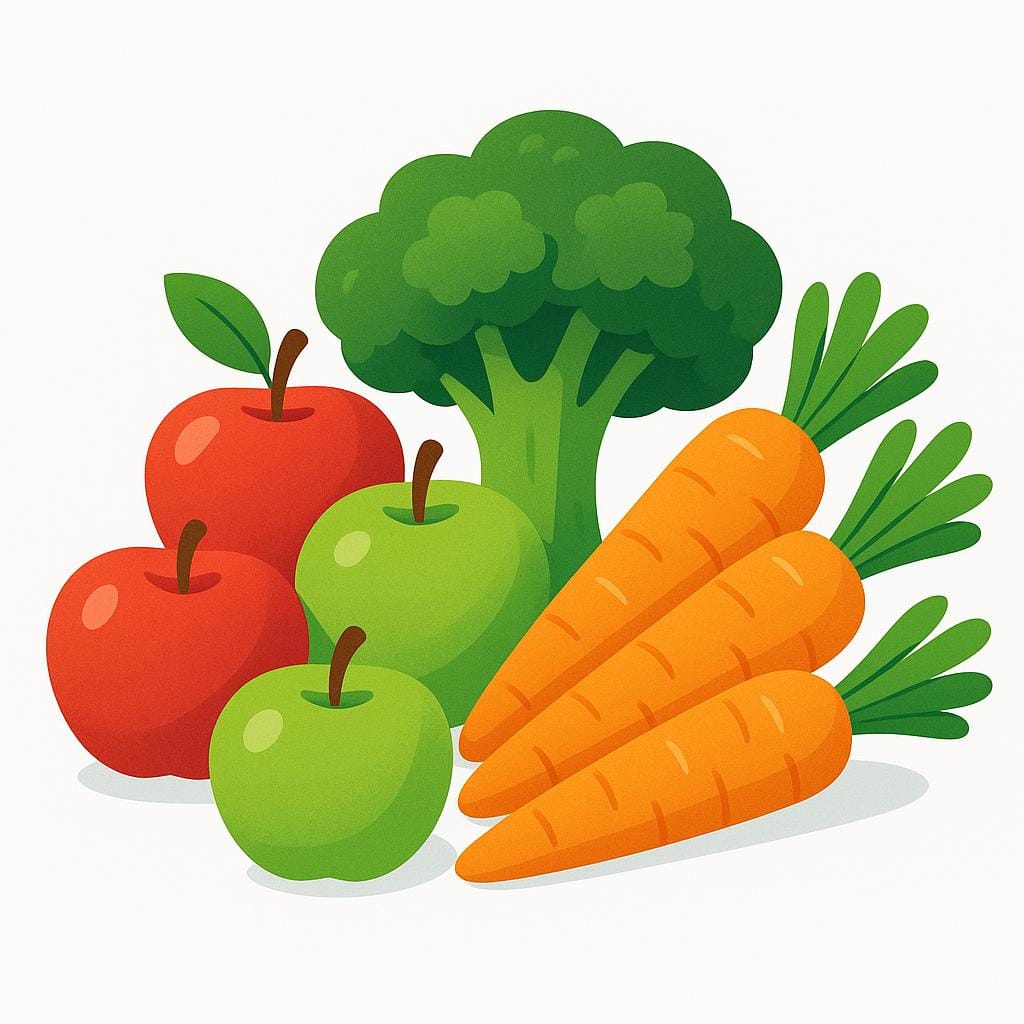
Comer una dieta sana es esencial para vivir mucho tiempo.
Eating a healthy diet is essential for living a long time.
Este lugar es muy sano; tiene aire fresco y mucha luz.
This place is very healthy; it has fresh air and lots of light.
Sano vs. Saludable
'Sano' describes the state of being healthy (a person, or a clean environment). 'Saludable' describes something that causes health (a habit, a diet, a food item). They are often interchangeable when talking about food, but 'sano' is more direct.
benéfico
Examples
El aire de la montaña es muy benéfico para los pulmones.
The mountain air is very beneficial for the lungs.
Saludable vs. Sano
Learners often confuse 'saludable' and 'sano'. While both relate to health, 'saludable' is most commonly used for food and general well-being, whereas 'sano' can also imply moral goodness or soundness. Stick to 'saludable' for diet and 'sano' when talking about morals or a state of being undamaged.
Related Translations
Learn Spanish with Inklingo
Interactive stories, personalized learning, and more.