How to Say "i make" in Spanish
The most common Spanish word for “i make” is “hago” — use 'hago' for general actions of creating, doing, or preparing things, like homework or a project, and also for causing someone to do something, like making them laugh.


hago
AH-goˈa.ɣo
Examples
Yo hago mi tarea todas las tardes.
I do my homework every afternoon.
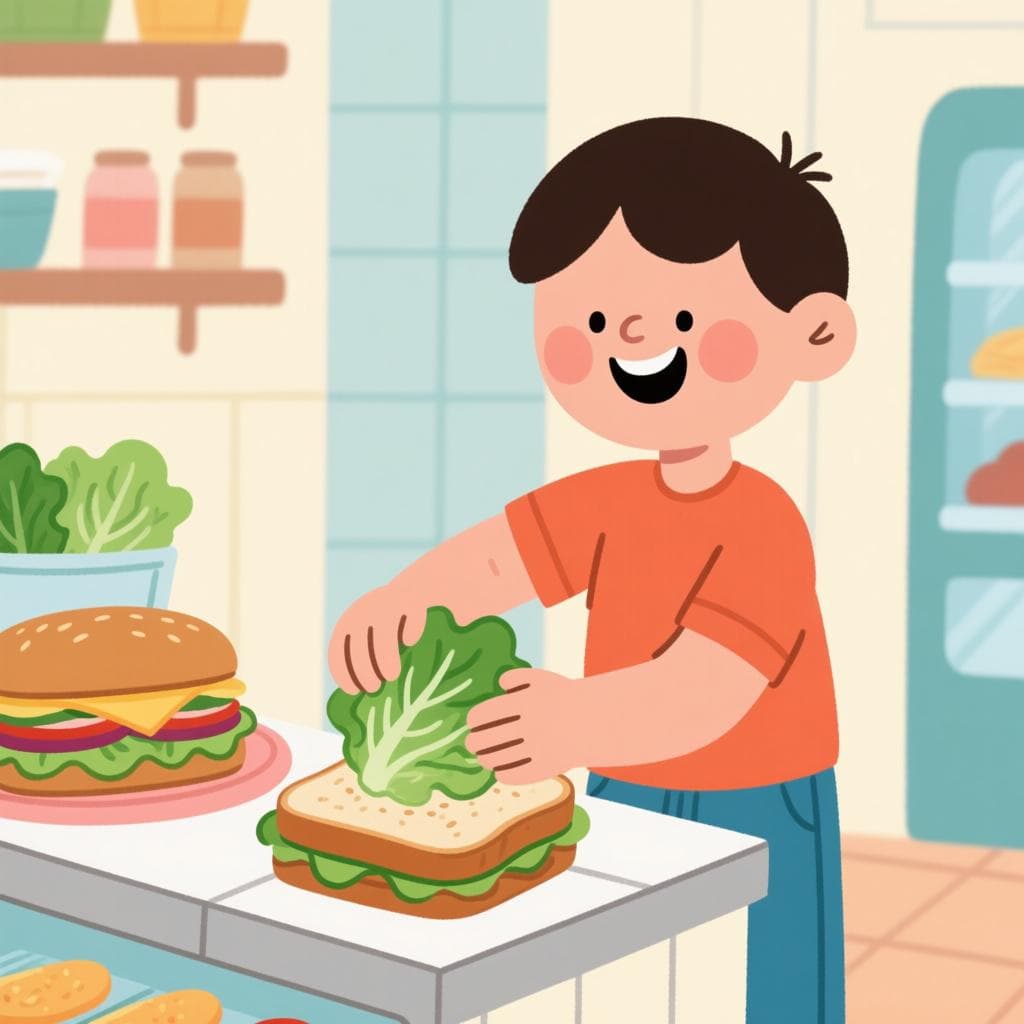
Hago un sándwich para el almuerzo.
I make a sandwich for lunch.
¿Qué hago ahora?
What do I do now?
Con mis chistes, siempre hago reír a mis amigos.
With my jokes, I always make my friends laugh.
The Irregular "Yo" Form
"Hago" is the "I" form of the verb "hacer" (to do/make). Notice the 'g' that pops up only in this form in the present tense. This 'g' often carries over to other special forms, like "haga".
The 'Hacer' + Verb Pattern
To say you 'make someone do something,' use this easy pattern: 'hago' + [the person] + [the action verb in its original '-ar', '-er', or '-ir' form]. For example: 'Hago correr al perro' (I make the dog run).
Don't Worry About "Do" vs. "Make"
Mistake: “Trying to find two different Spanish verbs for the English 'do' and 'make'.”
Correction: In Spanish, 'hacer' covers both! Use 'hago' for 'I do my homework' ('hago la tarea') and 'I make a cake' ('hago un pastel'). It's simpler than English here!
preparo
preh-PAH-rohpɾeˈpaɾo
Examples
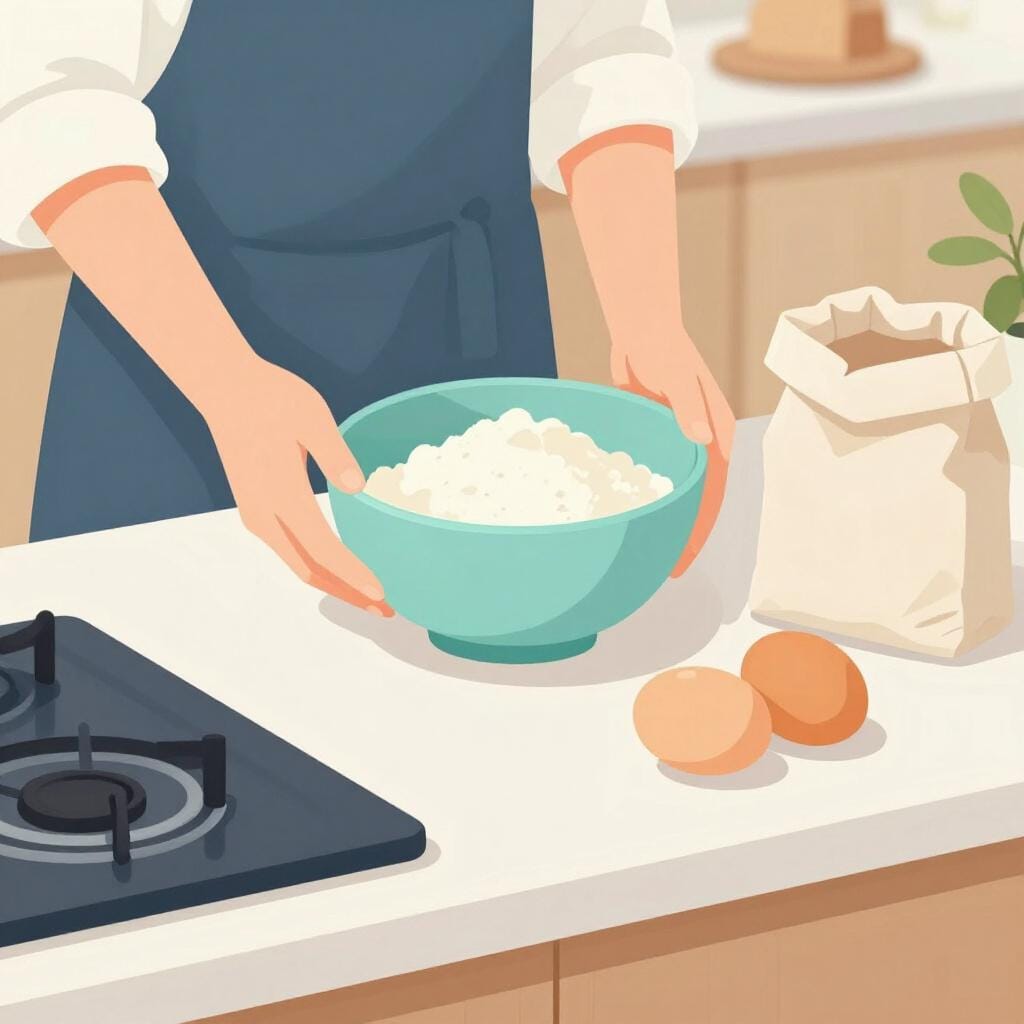
Yo preparo la cena para mi familia.
I make dinner for my family.
Siempre preparo mi mochila la noche anterior.
I always get my backpack ready the night before.
Me preparo para el examen de mañana.
I am preparing (myself) for tomorrow's exam.
First-Person Action
This word specifically means 'I prepare.' It is the present tense form you use when you are the person doing the action right now or as a habit.
Watch the Accent!
Mistake: “Don't confuse 'preparo' with 'preparó'.”
Correction: 'Preparo' (no accent) means 'I prepare' right now. 'Preparó' (with an accent) means 'He or she prepared' in the past.
tomo
TOH-mohˈto.mo
Examples
Tomo el autobús para ir a la escuela.
I take the bus to go to school.
Todos los días tomo un café con leche.
Every day I drink a coffee with milk.
Tomo nota de todo lo que dices.
I take note of everything you say.
Using 'Tomar' for Drinks
In Spain, 'tomar' is very common for drinking coffee, tea, or alcohol. In many parts of Latin America, 'beber' (to drink) is more frequently used for liquids.
Taking a Decision
When talking about making a decision, Spanish speakers use 'tomar una decisión' (I take a decision), not 'hacer una decisión' (I make a decision).
Confusing 'Tomar' and 'Llevar'
Mistake: “Llevo el autobús a casa. (I carry the bus home.)”
Correction: Tomo el autobús a casa. ('Tomar' is for using transport; 'llevar' is for carrying or taking a person/thing somewhere.)
gano
GAH-nohˈɡa.no

Examples
¿Cuánto gano si trabajo horas extras?
How much do I earn if I work overtime?
Gano un buen sueldo en mi nuevo trabajo.
I earn a good salary in my new job.
Direct Object
When talking about earning money, the money itself is the direct object (what receives the action). For example: 'Gano [el dinero]' (I earn [the money]).
creo
KREH-ohˈkɾe.o

Examples
Yo creo música en mi tiempo libre.
I create music in my free time.
Primero, creo una nueva carpeta en el ordenador.
First, I create a new folder on the computer.
Con estos ingredientes, creo una salsa deliciosa.
With these ingredients, I create a delicious sauce.
Watch out for the Past Tense!
The past tense 'I created' is 'creé', with an accent on the final 'e'. This helps distinguish it from 'cree' (he/she believes) and 'creí' (I believed).
Mixing up 'I create' and 'I believe'
Mistake: “Saying 'Creo en un poema' when you mean you wrote it.”
Correction: If you wrote it, say 'Creo un poema' (I create a poem). If you have faith in it, say 'Creo en un poema' (I believe in a poem). Context is everything!
General 'Make' vs. Specific Actions
Related Translations
Learn Spanish with Inklingo
Interactive stories, personalized learning, and more.