How to Say "journey" in Spanish
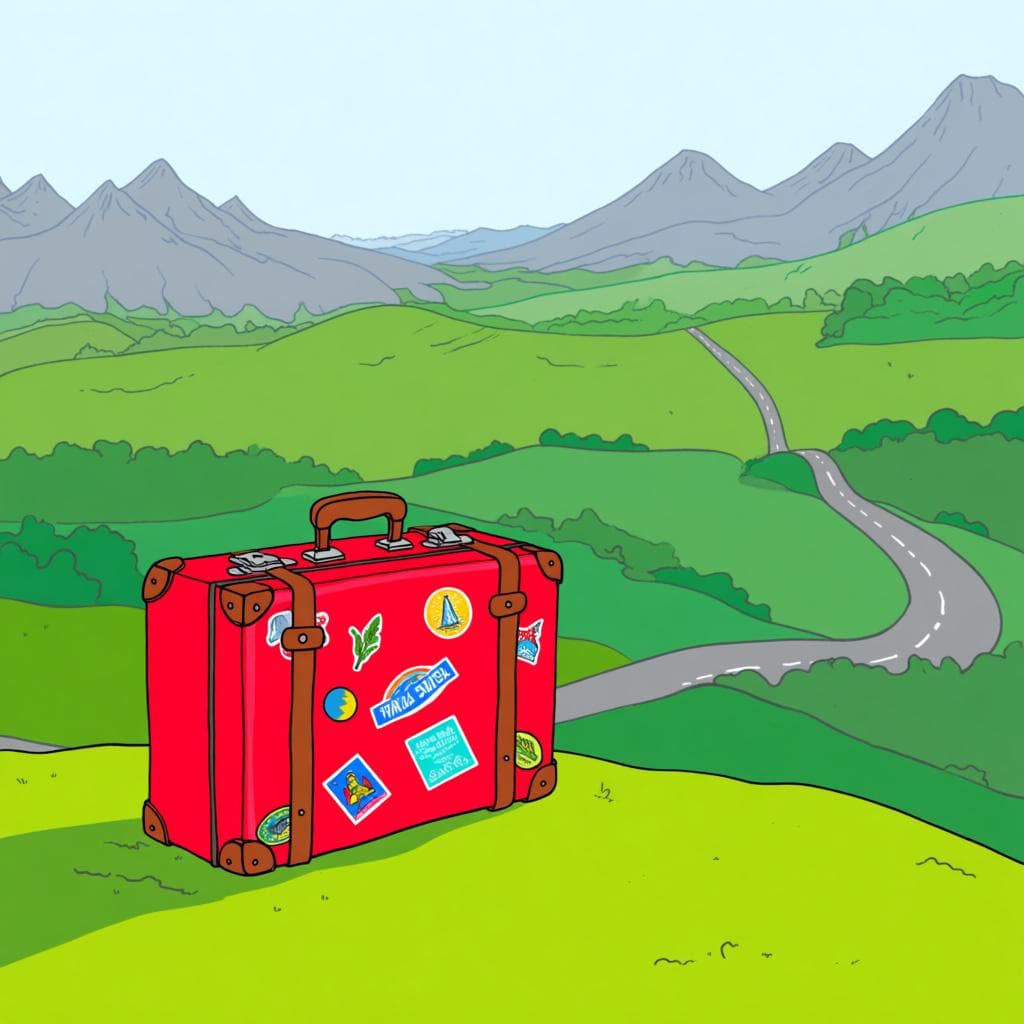
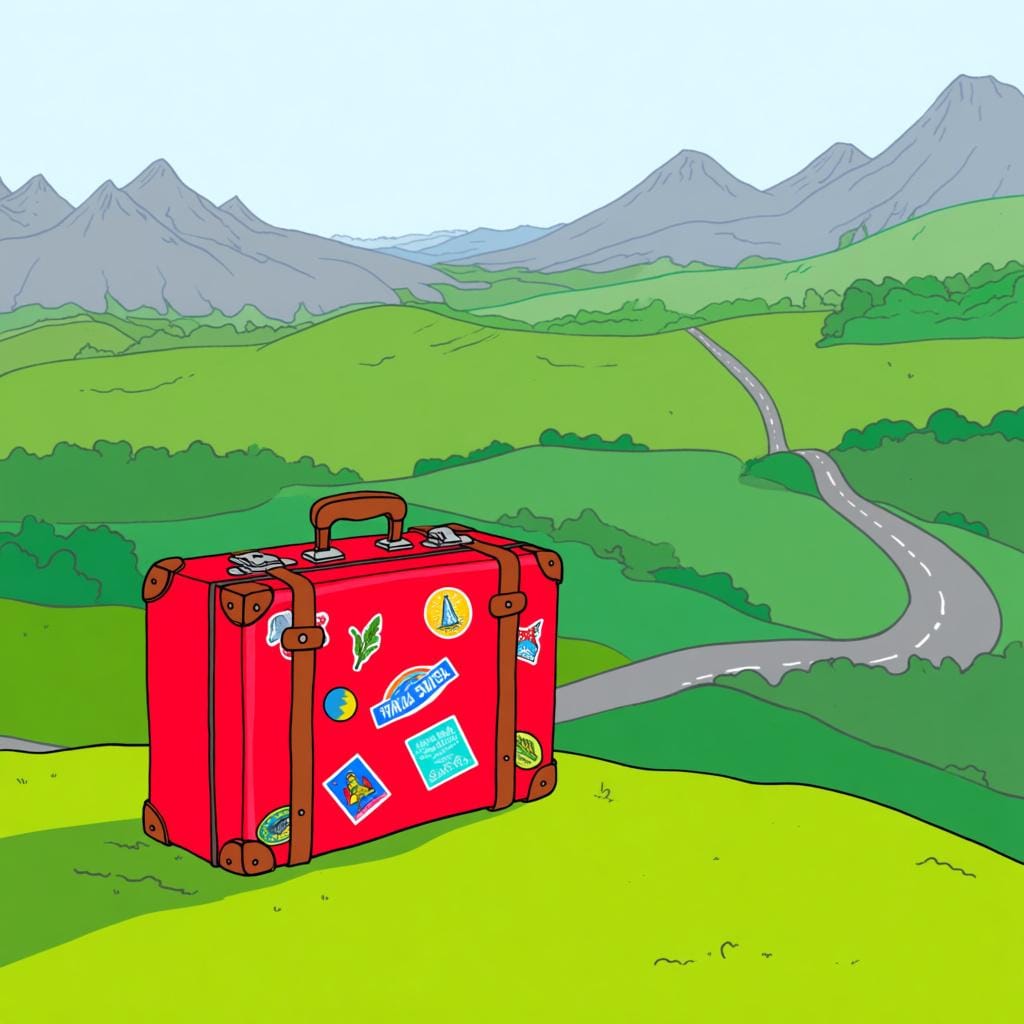
The most common Spanish word for “journey” is “viaje” — use 'viaje' for general trips, especially those that are longer, more significant, or involve leisure and exploration.

viaje
bya-hehˈbjaxe
Examples
Hicimos un viaje inolvidable a las montañas.
We took an unforgettable journey to the mountains.
El viaje a la playa fue muy divertido.
The trip to the beach was very fun.
Mi primer viaje a Europa fue inolvidable.
My first trip to Europe was unforgettable.
¡Te deseo un buen viaje!
I wish you a good trip!
It's a Masculine Noun
Even though it ends in '-e', 'viaje' is a masculine word. Always say 'el viaje' (the trip) or 'un viaje' (a trip).
Using 'la' instead of 'el'
Mistake: “La viaje a Madrid fue increíble.”
Correction: El viaje a Madrid fue increíble. Remember that 'viaje' is masculine.
camino
ka-MEE-nokaˈmino
Examples
El camino hacia el éxito requiere mucho esfuerzo.
The journey to success requires a lot of effort.
El camino a la playa es muy bonito.
The road to the beach is very pretty.
Sigue este camino de tierra para llegar al río.
Follow this dirt path to get to the river.
Estamos a medio camino de nuestro destino.
We are halfway to our destination.
Always Masculine: 'El Camino'
In Spanish, all things are either 'masculine' or 'feminine'. Camino is masculine, so you'll always use el (the) or un (a/an) with it. For example, el camino largo (the long road).
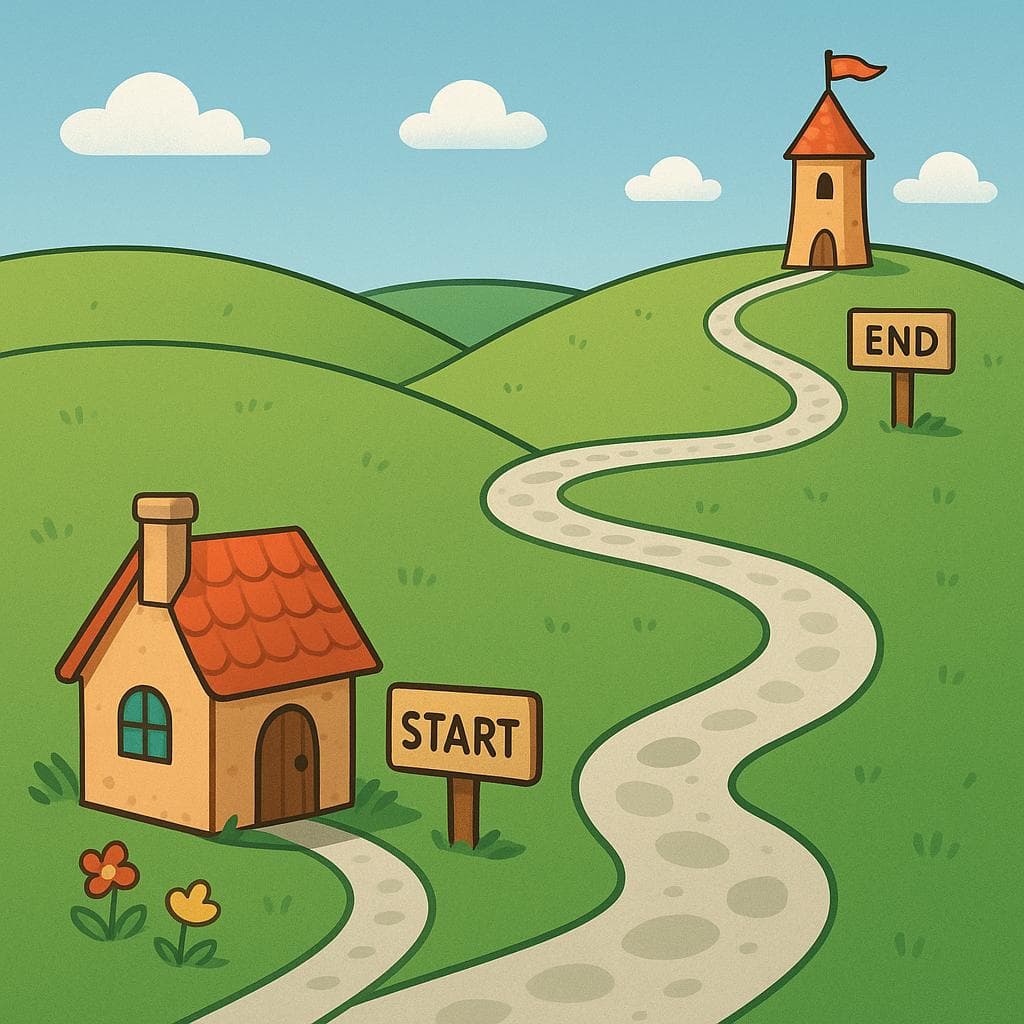
trayecto
tra-yek-tohtɾaˈʝekto

Examples
El trayecto a la oficina toma cuarenta minutos en metro.
The journey to the office takes forty minutes by subway.
El trayecto en autobús dura treinta minutos.
The bus journey takes thirty minutes.
Es un trayecto largo desde mi casa hasta el trabajo.
It is a long route from my house to work.
Durante el último trayecto del viaje, empezó a nevar.
During the final stretch of the trip, it started to snow.
Always Masculine
Even though it ends in 'o', just remember it stays masculine ('el trayecto') regardless of where you are going.
Trayecto vs. Viaje
Use 'viaje' for the whole experience of a trip (vacation, fun), but use 'trayecto' to focus specifically on the time or path spent moving from A to B.
Confusing with 'Trajectory'
Mistake: “Using 'trayecto' to mean a career path or a physical arc.”
Correction: Use 'trayectoria' for a career path or the flight path of a ball. Use 'trayecto' for travel routes.
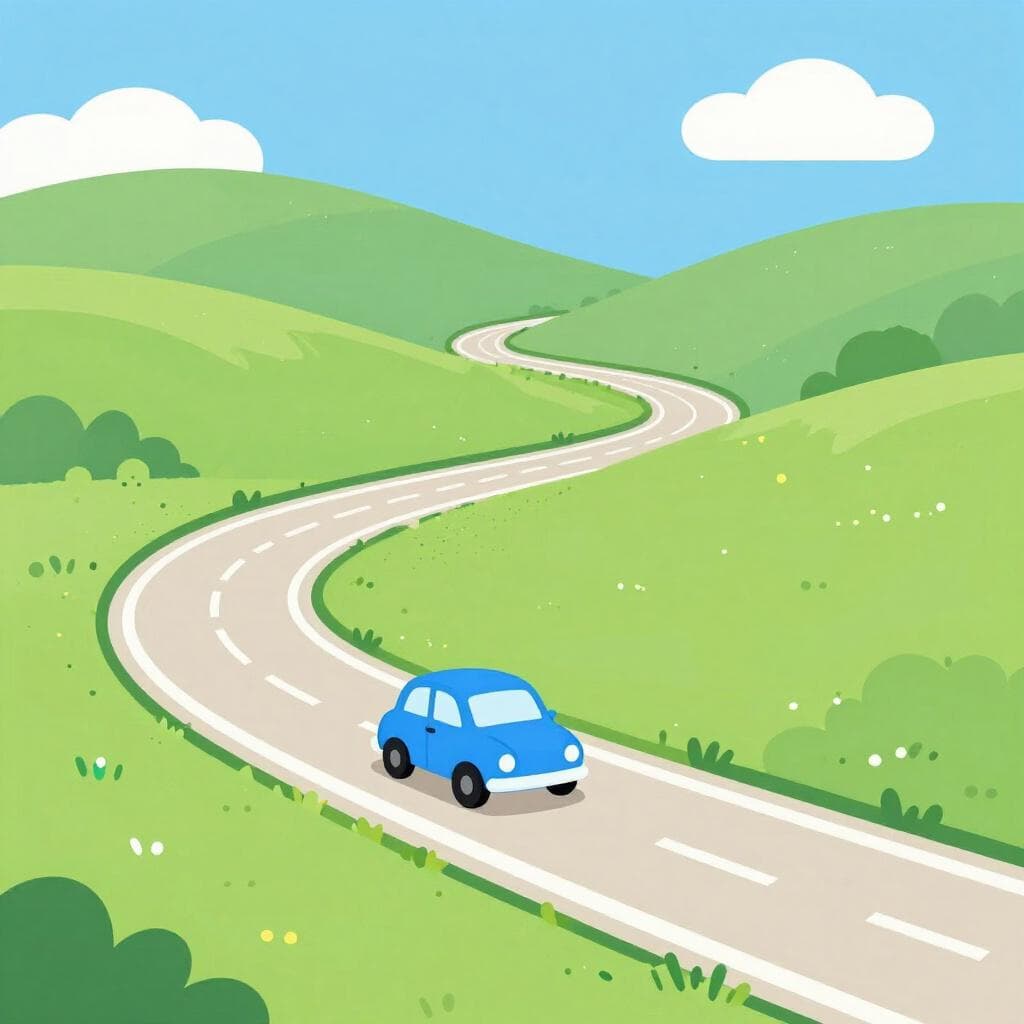
recorrido
reh-koh-REE-dohrekoˈriðo
Examples
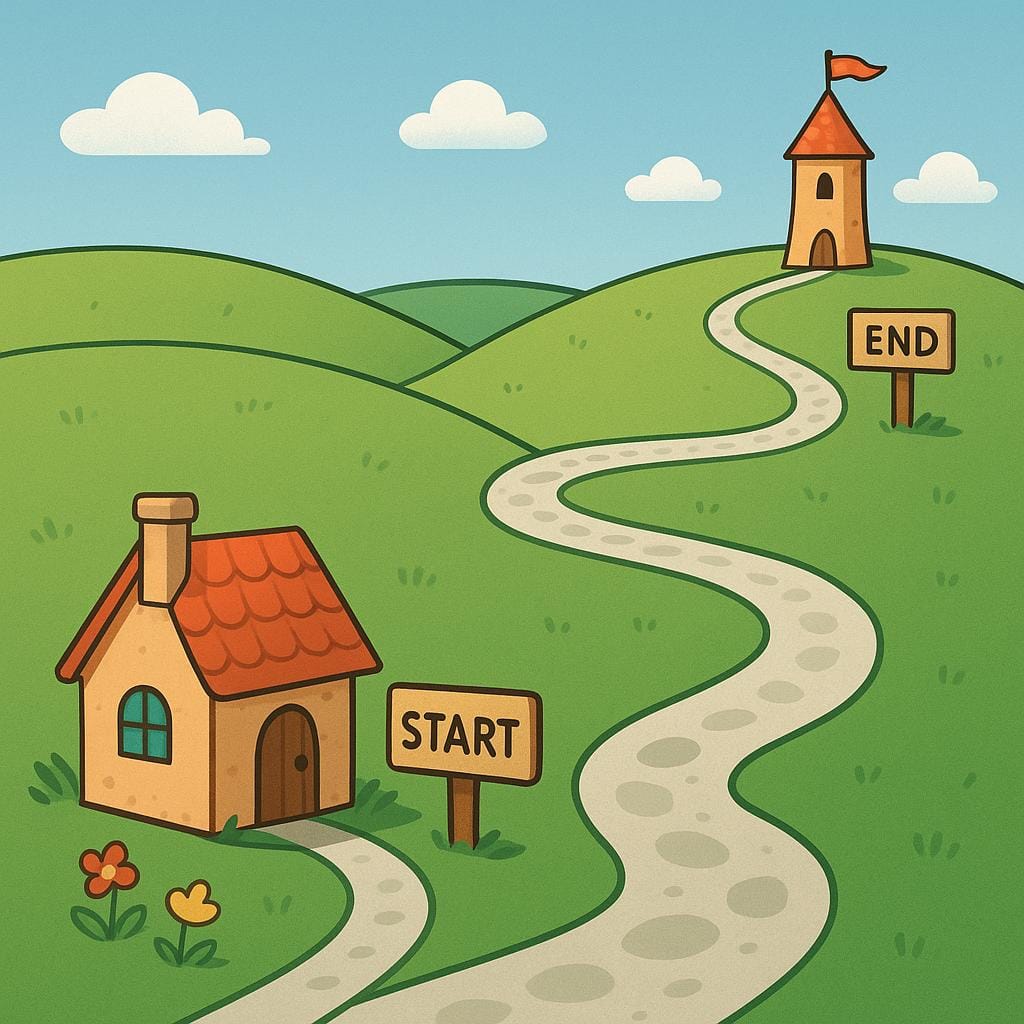
Me encanta el recorrido escénico de esta carretera.
I love the scenic journey/route of this highway.
¿Cuál es el recorrido de la maratón?
What is the route of the marathon?
El recorrido por la ciudad duró tres horas.
The tour of the city lasted three hours.
Necesitamos revisar el recorrido total antes de salir.
We need to check the total distance before leaving.
Gender Reminder
As a noun, 'recorrido' is always masculine, so you use 'el' or 'un' with it.
desplazamiento
des-pla-sah-MYEN-tohdesplaθaˈmjento

Examples
Los gastos de desplazamiento se reembolsarán.
The travel expenses for the journey will be reimbursed.
La empresa paga los gastos de desplazamiento.
The company pays for travel expenses.
Mi tiempo de desplazamiento es de una hora.
My commute time is one hour.
Evite desplazamientos innecesarios durante la tormenta.
Avoid unnecessary travel during the storm.
Plural Usage
In professional contexts, this word is often used in plural ('desplazamientos') to refer to multiple business trips or general travel requirements.
Travel vs. Trip
Mistake: “Saying 'hacer un desplazamiento' for a vacation.”
Correction: Use 'hacer un viaje' for vacations. 'Desplazamiento' is more about the logistical act of getting there.
Viaje vs. Trayecto vs. Recorrido
Learn Spanish with Inklingo
Interactive stories, personalized learning, and more.