How to Say "lawsuit" in Spanish
The most common Spanish word for “lawsuit” is “demanda” — use 'demanda' when referring to the formal filing of a lawsuit or the legal action itself, often emphasizing the act of suing someone.
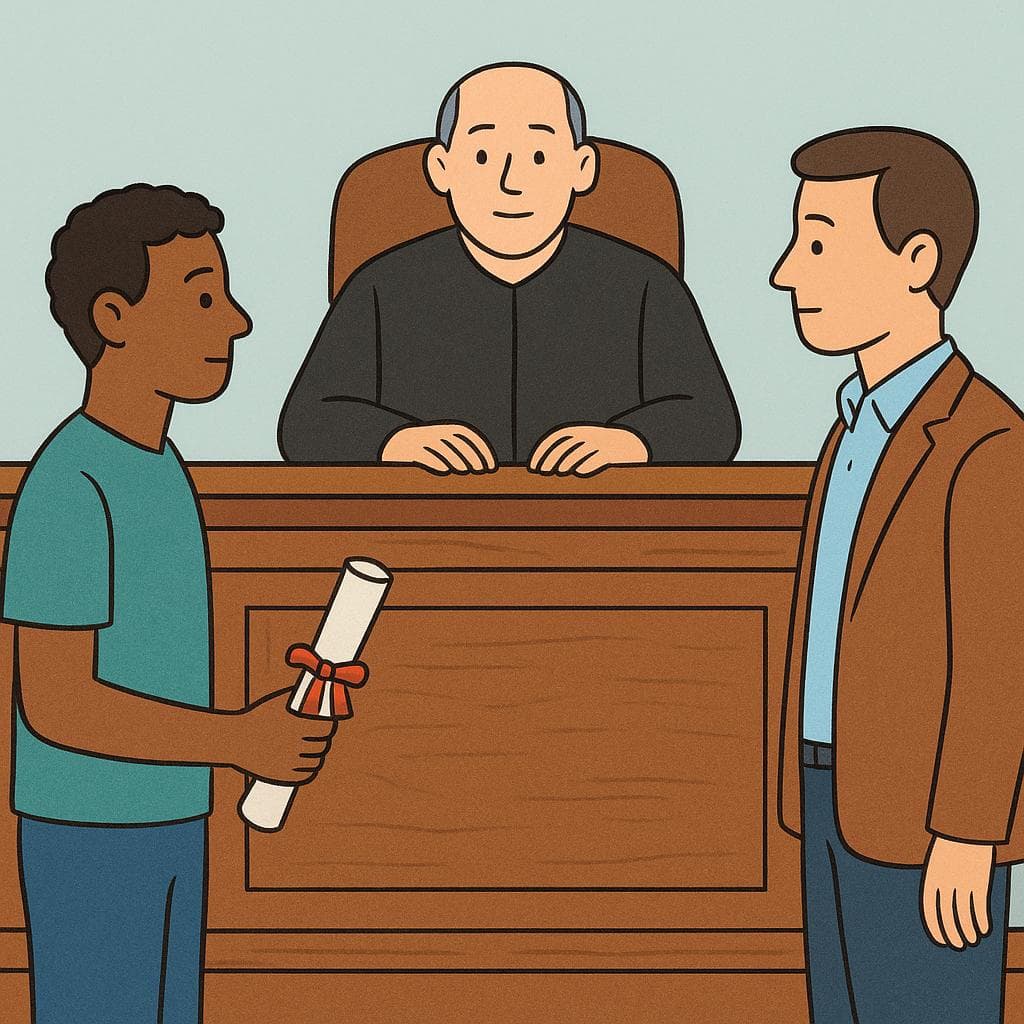
Use 'demanda' when referring to the formal filing of a lawsuit or the legal action itself, often emphasizing the act of suing someone.
Learn more →
Choose 'juicio' when you want to refer to the trial phase of a lawsuit, the actual court proceeding where the case is heard.
Learn more →
Use 'causa' to refer to a legal case or matter as a whole, often in a broader sense than just the filing or the trial.
Learn more →
Opt for 'pleito' to describe a dispute or legal battle, often implying a contentious or lengthy process of taking someone to court.
Learn more →
Use 'querella' specifically when referring to a formal complaint or charge, especially in criminal law, initiating legal proceedings against someone.
Learn more →deh-MAHN-dahdeˈmanda
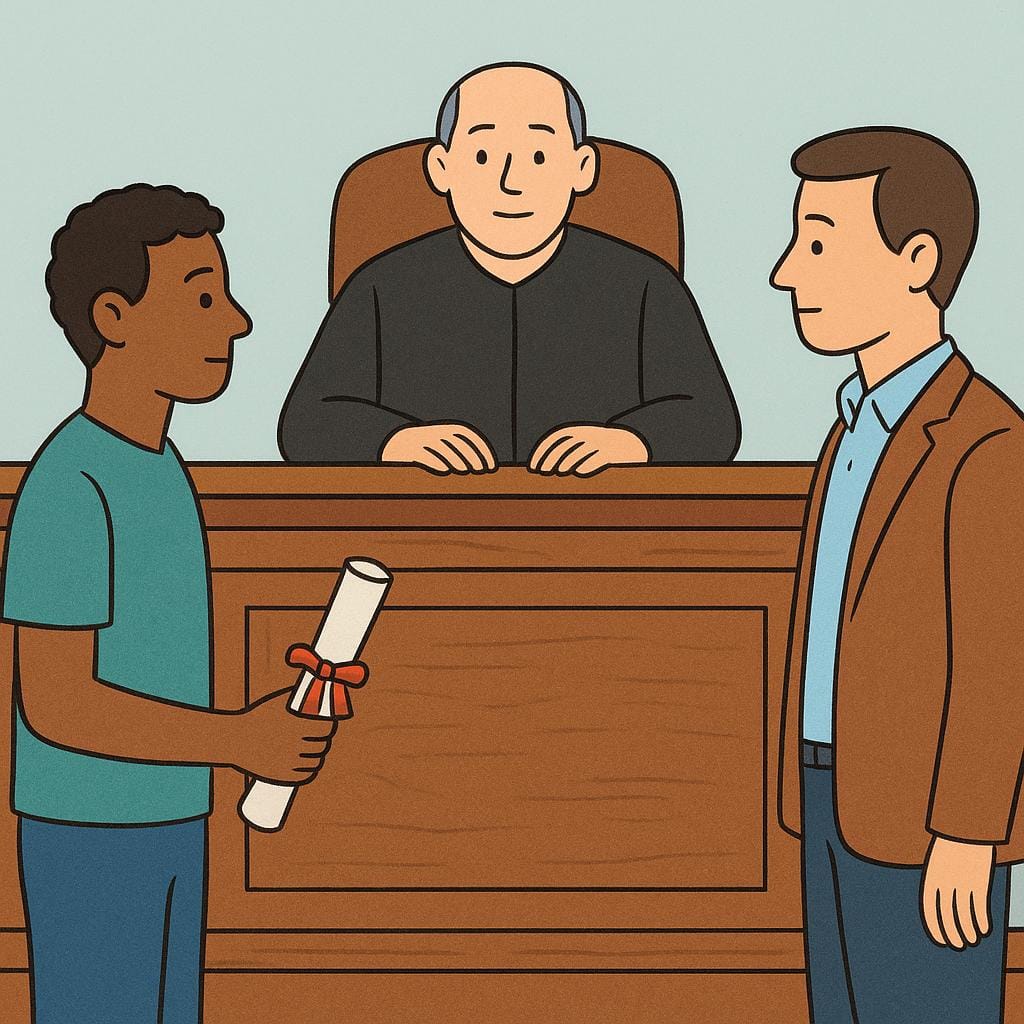
Examples
El abogado presentó la demanda ayer por la mañana.
The lawyer filed the lawsuit yesterday morning.
Ganaron la demanda después de un largo juicio.
They won the lawsuit after a long trial.
Recibimos una demanda por incumplimiento de contrato.
We received a legal claim for breach of contract.
Key Verbs
When talking about starting a lawsuit, the most common verbs are 'presentar' (to file) or 'poner' (to put/file). For winning, use 'ganar' (to win).
HWEE-see-ohˈxwi.sjo

Examples
El juicio comenzará el próximo lunes.
The trial will begin next Monday.
Fue llamado como testigo en el juicio.
He was called as a witness in the trial.
La empresa enfrenta un juicio por discriminación.
The company is facing a lawsuit for discrimination.
kow-sahˈkawsa

Examples
El abogado presentó la causa ante el juez.
The lawyer presented the case before the judge.
Ganaron la causa después de muchos años.
They won the lawsuit after many years.
PLAY-tohˈplei.to

Examples
El abogado logró ganar el pleito después de dos años.
The lawyer managed to win the lawsuit after two years.
Tienen un pleito pendiente por la herencia familiar.
They have a pending legal case regarding the family inheritance.
No quiero meterme en pleitos legales.
I don't want to get involved in legal battles.
A Masculine Noun
Pleito is always masculine. You must use 'el', 'un', 'este', or 'ese' with it.
Lawsuit vs. Law
Mistake: “Estudio el pleito en la universidad.”
Correction: Estudio derecho en la universidad.
keh-REH-yahkeˈɾeʝa

Examples
El abogado presentó una querella criminal contra la empresa.
The lawyer filed a formal criminal complaint against the company.
La querella fue admitida a trámite por el juez.
The formal complaint was accepted for processing by the judge.
Decidieron retirar la querella tras llegar a un acuerdo.
They decided to withdraw the lawsuit after reaching an agreement.
Always Feminine
Even though it ends in 'a', it's worth remembering that 'querella' is always a feminine noun. You must use feminine adjectives with it, like 'una querella formal'.
Action Verbs with Querella
In Spanish, you don't 'make' a querella; you 'present' (presentar) or 'place' (interponer) it. Think of it as officially handing over a document to the court.
Querella vs. Queja
Mistake: “Usar 'querella' para quejarse de la comida en un restaurante.”
Correction: Use 'queja' or 'reclamación' for everyday complaints. Use 'querella' only when a judge and lawyers are involved.
Demanda vs. Juicio vs. Causa
Learners often confuse 'demanda' (the filing of the suit) with 'juicio' (the trial). Remember that 'demanda' is the initial action of suing, while 'juicio' is the court process that follows. 'Causa' is a more general term for the legal matter itself.
Related Translations
Learn Spanish with Inklingo
Interactive stories, personalized learning, and more.