How to Say "little ones" in Spanish
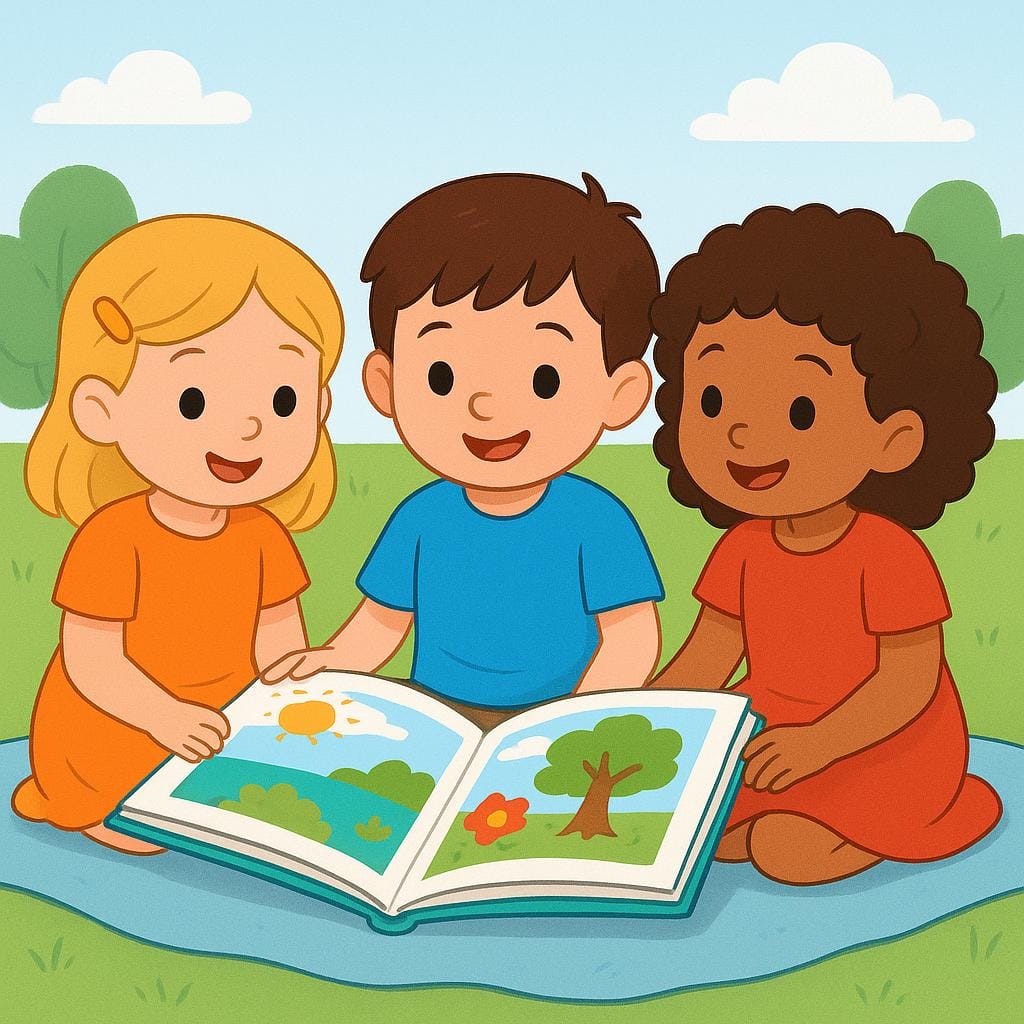
The most common Spanish word for “little ones” is “pequeños” — use 'pequeños' when you want a general and common term for 'little ones' or 'young children' in a neutral context.
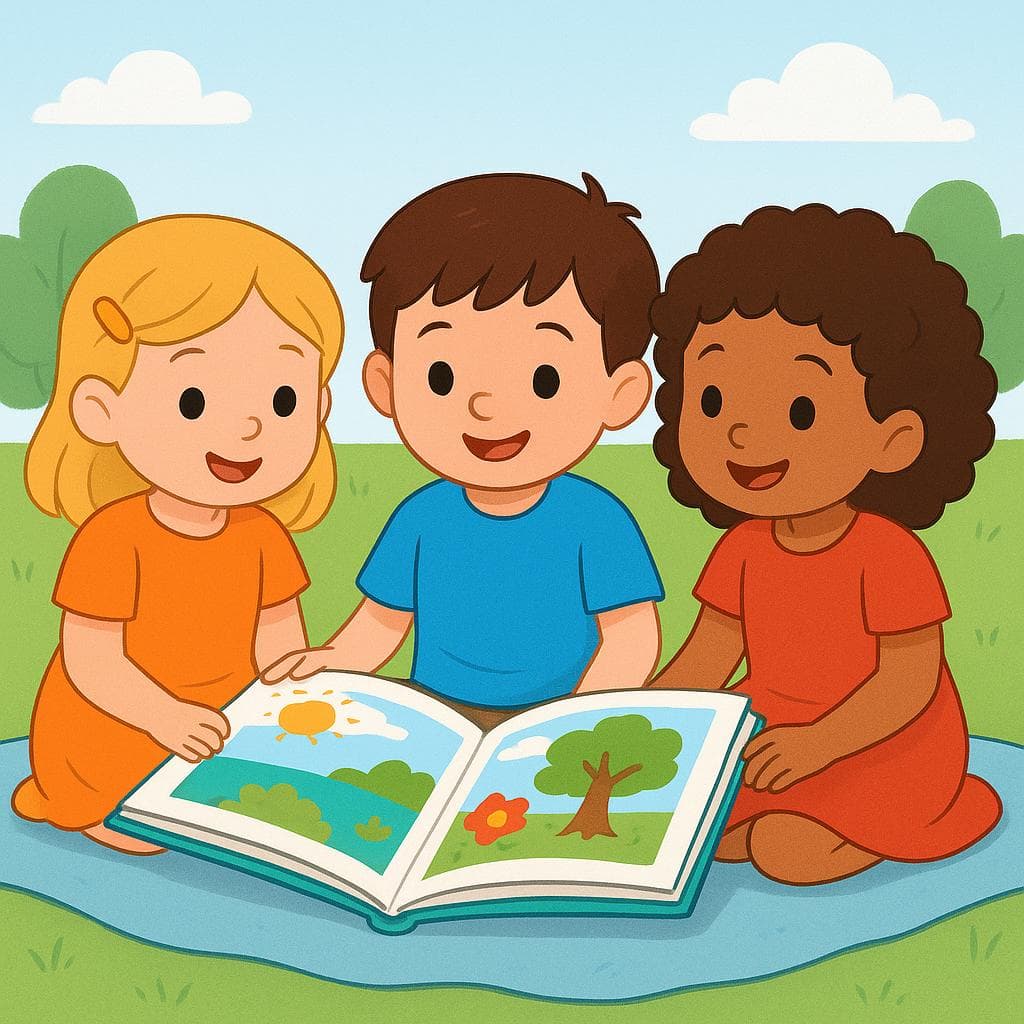
Use 'pequeños' when you want a general and common term for 'little ones' or 'young children' in a neutral context.
Learn more →
Use 'criaturas' to refer to 'little ones' in a more affectionate, endearing, or sometimes even slightly humorous way, often implying they are cute or a handful.
Learn more →peh-KEH-nyospeˈkeɲos
Examples
Los pequeños tienen permiso para quedarse despiertos hasta las nueve.
The little ones have permission to stay awake until nine.
Tenemos que organizar un juego divertido para los pequeños de la casa.
We have to organize a fun game for the children of the house.
Adjective as Noun
The adjective 'pequeños' becomes a noun when you place a definite article (like 'los') directly in front of it. This pattern is often used to refer to groups of people based on a quality (e.g., 'los pobres' means 'the poor people').
kree-ah-TOO-raskriaˈtuɾas
Examples
Las criaturas deben estar en cama antes de las nueve.
The little ones must be in bed before nine.
¡Qué ruido hacen estas criaturas cuando juegan!
What a noise these little ones make when they play!
Always Plural Feminine
Even if the group of children includes boys, 'criaturas' is always a feminine noun, so you use 'las criaturas'.
Confusing Gender
Mistake: “Los criaturas están aquí.”
Correction: Las criaturas están aquí. (Because 'criatura' is always feminine, even when referring to boys.)
Affection vs. Neutrality
Learners often confuse 'pequeños' and 'criaturas' by using 'criaturas' in situations where a neutral term like 'pequeños' is more appropriate. Reserve 'criaturas' for when you want to add a touch of endearment or a slightly playful tone, rather than for everyday, neutral reference to children.
Related Translations
Learn Spanish with Inklingo
Interactive stories, personalized learning, and more.