How to Say "loose change" in Spanish
The most common Spanish word for “loose change” is “menudo” — use 'menudo' when referring to coins as a general category of currency, often implying small denominations or 'small change' as opposed to bills.
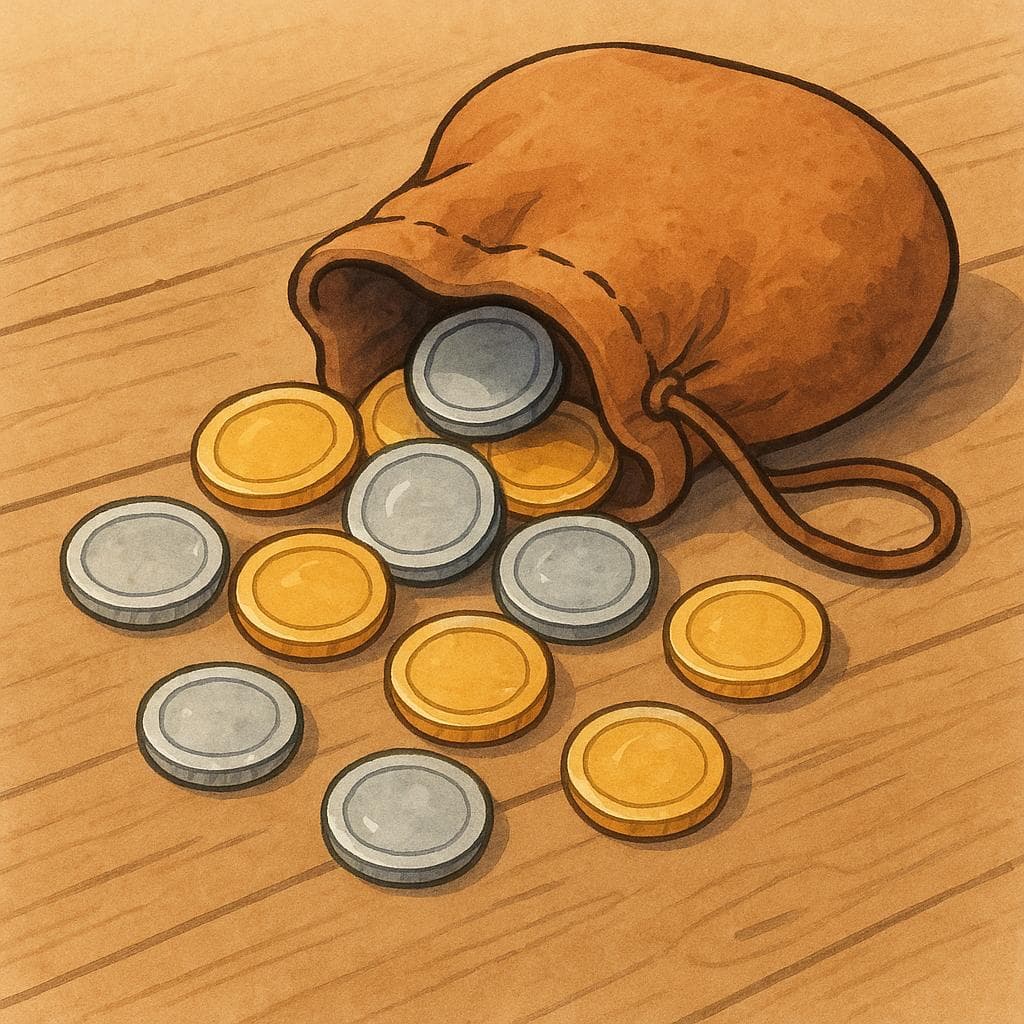
Use 'menudo' when referring to coins as a general category of currency, often implying small denominations or 'small change' as opposed to bills.
Learn more →
Use 'suelto' when you want to ask if someone possesses any available coins or small bills at that moment, often for a specific, immediate purpose.
Learn more →meh-NOO-dohmeˈnuðo
Examples
Perdón, no tengo cambio. ¿Me puede pagar con menudo?
Excuse me, I don't have change. Can you pay me with small coins?
Encontré un poco de menudo en el bolsillo del pantalón.
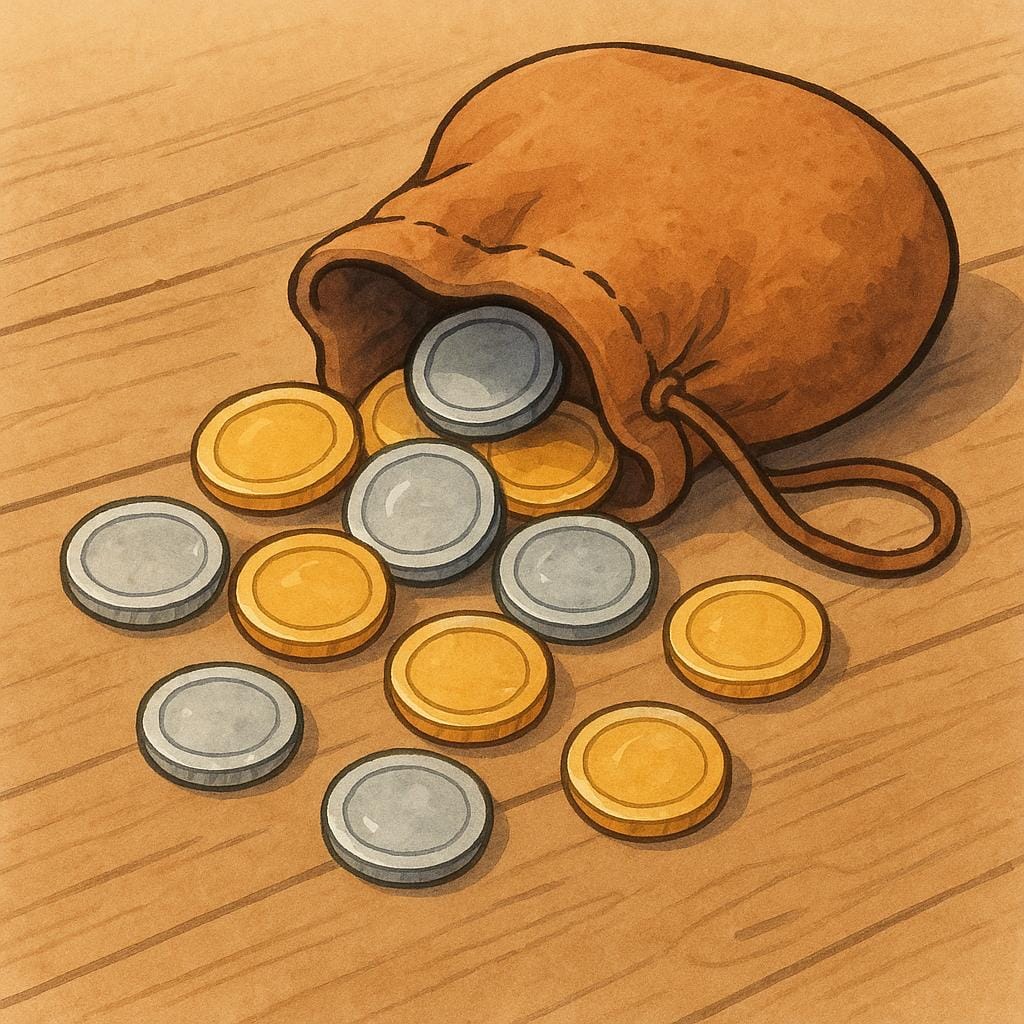
I found a little bit of loose change in my pants pocket.
Always Masculine
When used for money, 'menudo' is always a masculine noun ('el menudo') and is usually treated as singular, even though it refers to many small coins.
SWELL-toh'swelto

Examples
¿Tienes algo de dinero suelto para el autobús?
Do you have any loose change for the bus?
Solo aceptan billetes y moneda suelta.
They only accept bills and loose coins (change).
Necesito cambio; no tengo suelto.
I need change; I don't have cash/loose money.
Used as a Noun
In many contexts, 'el suelto' is used by itself as a masculine noun meaning 'loose change' or 'cash,' especially in Latin America.
Using 'cambio' incorrectly
Mistake: “Using 'suelto' when you mean the change you receive back from a purchase.”
Correction: For the change you get back, use 'el cambio'. Use 'suelto' for the small coins/cash you carry.
Menudo vs. Suelto
Learners often confuse 'menudo' and 'suelto' by using 'menudo' when asking if someone has coins for a specific purpose, like buying a ticket. Remember, 'menudo' refers to coins as a type of money, while 'suelto' asks if someone has them available to spend.
Related Translations
Learn Spanish with Inklingo
Interactive stories, personalized learning, and more.