How to Say "make" in Spanish
The most common Spanish word for “make” is “haz” — use this informal command when telling one person (tú) to do or create something, like making your bed.



haz
asas

Examples
Haz tu cama, por favor.
Make your bed, please.
Si no entiendes, haz una pregunta.
If you don't understand, ask a question.
Haz clic en el enlace para empezar.
Click on the link to start.
The Informal 'You' Command
'Haz' is the command form of 'hacer' (to do/make) that you use when talking to one person you know well, like a friend, a family member, or a child. It's the 'tú' form.
Mixing up 'haz' and 'haces'
Mistake: “'Tú haces la tarea.' (You are doing the homework.)”
Correction: 'Haz la tarea.' (Do the homework.) Use 'haz' to give a command or instruction. Use 'haces' to state a fact or ask a question about what someone does.
haga
AH-gahˈa.ɣa
Examples
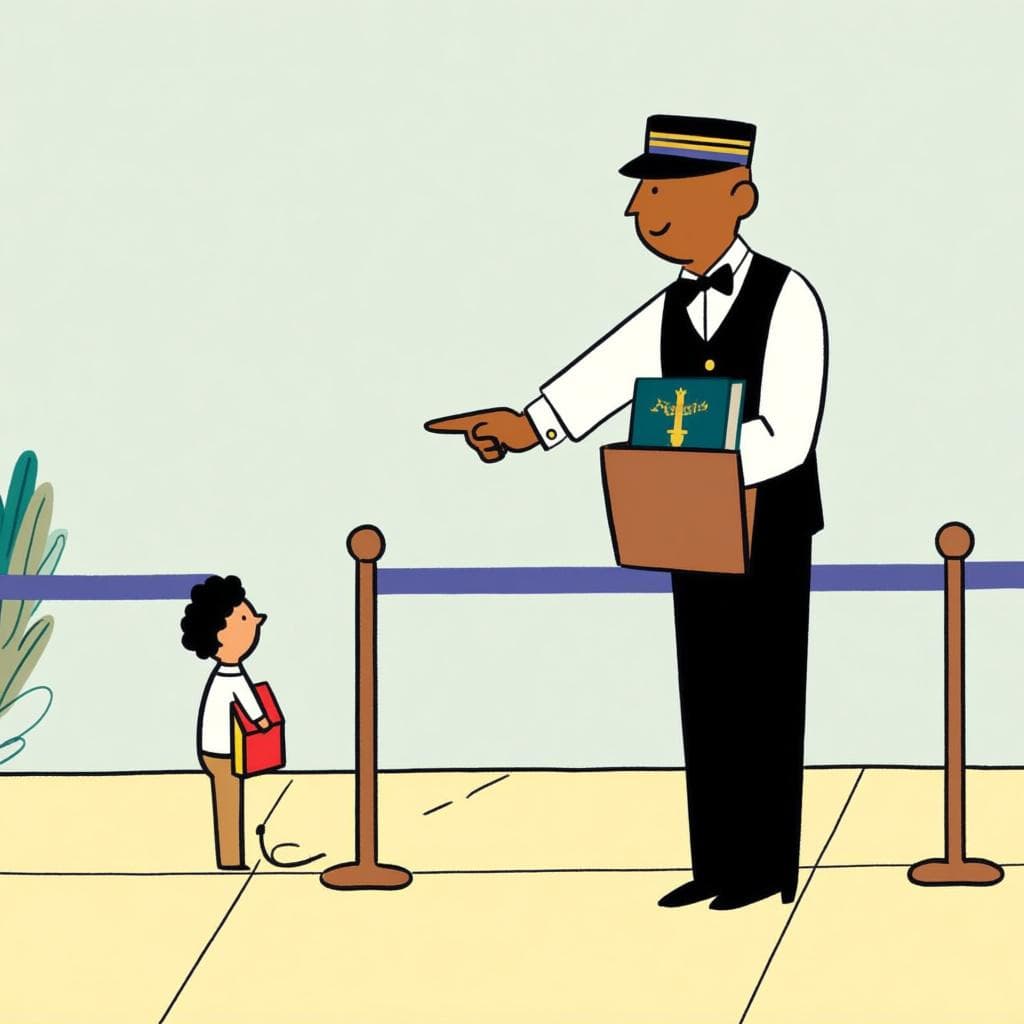
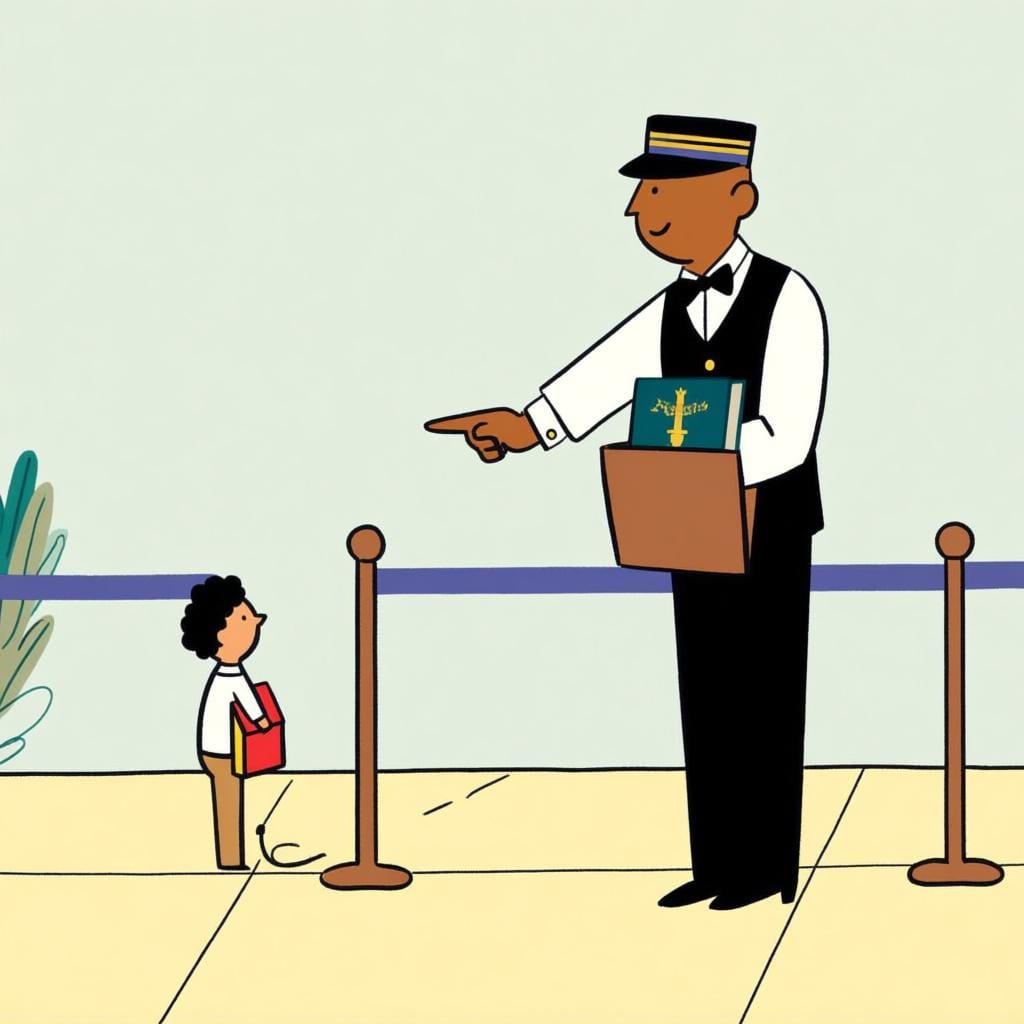
Señor, haga la fila aquí, por favor.
Sir, make the line here, please.
Haga clic en el botón para continuar.
Click the button to continue.
No haga ruido, el bebé está durmiendo.
Don't make noise, the baby is sleeping.
Giving Formal Commands
'Haga' is how you tell someone you call 'usted' (sir, ma'am, or someone you don't know well) to do or make something. It works for both positive commands ('Haga esto') and negative ones ('No haga eso').
Using 'haz' in a formal situation
Mistake: “Profesor, *haz* la pregunta otra vez.”
Correction: Profesor, haga la pregunta otra vez. Use 'haga' for people you should show respect to, like a teacher, a boss, or an older person.
hagan
AH-gahnˈa.ɣan
Examples
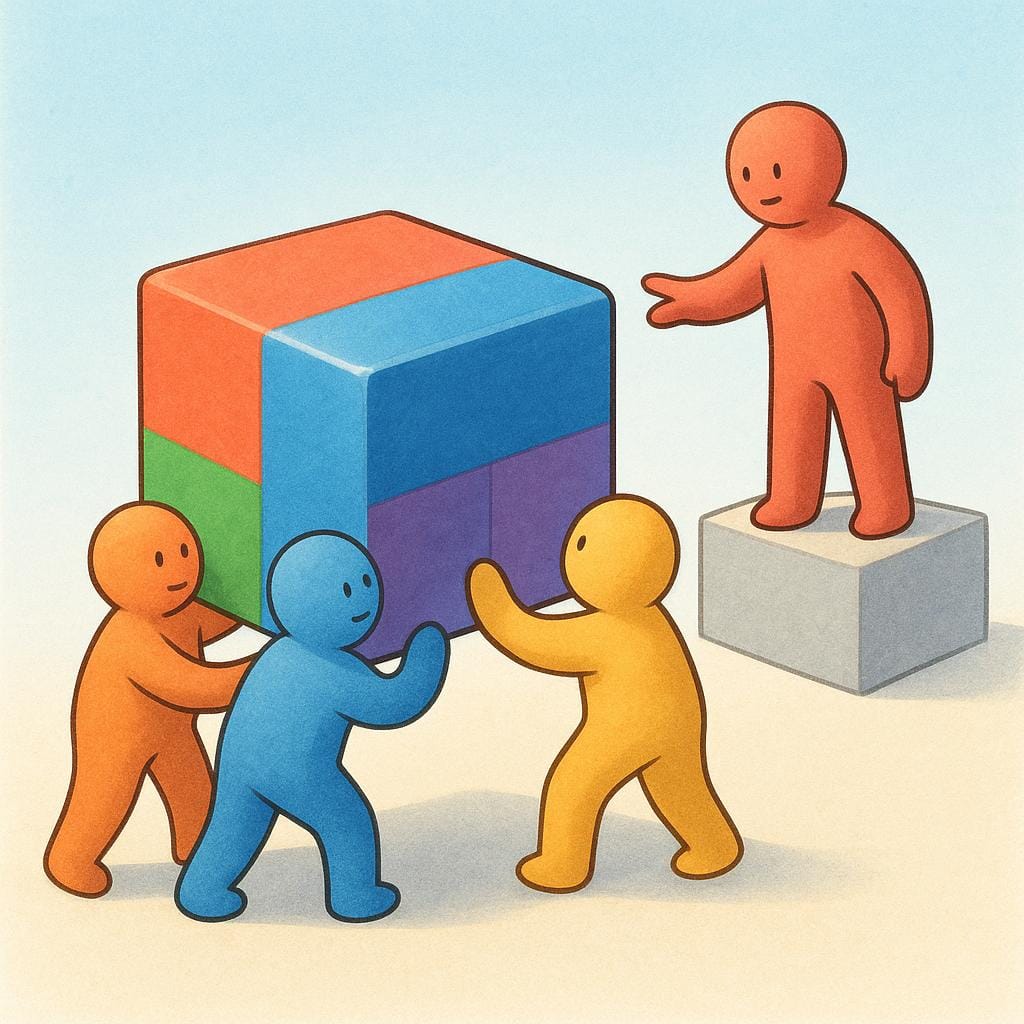
Señores, por favor, hagan la fila ordenada.
Gentlemen, please, make an orderly line (command).
Espero que ellos hagan un buen trabajo en el proyecto.
I hope they do a good job on the project (wish/request).
Les pedimos que no hagan ruido después de las diez.
We ask you (all formal) not to make noise after ten (request/prohibition).
Dual Function: Command and Wish
Hagan is used in two main ways: 1) As a formal command ('Ustedes, hagan...') or 2) when expressing a wish, doubt, or emotion about an action a group is doing ('Espero que hagan...').
Irregularity of Hacer
The infinitive is 'hacer,' but it has a vowel change to 'a' in this form. Notice that nearly all the special forms ('haga', 'hagas', 'hagan') use this 'g' sound.
Confusing Subjunctive and Indicative
Mistake: “Using 'Espero que ellos hacen...' (using the regular present tense).”
Correction: You must use 'hagan' after expressions of wishing or emotion: 'Espero que ellos hagan la tarea' (I hope they do the homework).
haced
ah-SAYDaˈθeð
Examples
¡Haced los deberes antes de salir!
Do your homework before going out!
Haced el favor de guardar silencio.
Do [us] the favor of staying quiet.
Haced lo que queráis, no me importa.
Do whatever you all want, I don't mind.
The D-Rule for Commands
To give a command to a group in Spain, simply take the dictionary form of the verb (hacer), remove the 'r', and add a 'd' (haced). It's one of the few completely regular patterns for commands!
Confusing haced with hacer
Mistake: “Using 'hacer' when telling friends to do something.”
Correction: Use 'haced'. While many native speakers lazily use the 'r' version, 'haced' with a 'd' is the grammatically correct way to give a command to a group.
marca
MAR-cahˈmaɾka
Examples
¿Qué marca de teléfono usas?
What brand of phone do you use?
Esta marca es famosa por su calidad.
This brand is famous for its quality.
Gender Check
Remember that 'marca' is always feminine, so you must use 'la marca' or 'una marca'.
prepáren
Examples
¡Preparen sus maletas!
Prepare your suitcases!
pon
ponpon
Examples
¡Pon más detalles en tu informe para que se entienda mejor!
Put more details in your report so it's understood better!
Pon atención a lo que dice el profesor. ¡Es importante!
Pay attention (Put attention) to what the professor is saying. It's important!
No te preocupes, pon buena cara y sonríe.
Don't worry, put on a good face (look happy) and smile.
Confusing 'Pon' and 'Ponme'
Mistake: “Pon un café (meaning 'make me a coffee').”
Correction: Ponme un café. When asking someone to do something for you, you need the extra word ('me') stuck to the end to show you are the recipient of the action.
tome
TOH-mehˈto.me

Examples
Pidió al equipo que tome una actitud más seria.
He asked the team to adopt a more serious attitude.
Sugiero que se tome una foto grupal antes de irnos.
I suggest that a group photo be taken before we leave.
Espero que mi jefe tome en cuenta mis sugerencias.
I hope my boss takes my suggestions into account.
Impersonal Wishes
When a non-personal subject is required (like 'it is necessary that'), 'tome' is often used impersonally: 'Es necesario que se tome la temperatura' (It is necessary that the temperature be taken).
factura
fak-TOO-rafakˈtu.ɾa

Examples
La factura de esta mesa es excelente; se nota el trabajo artesanal.
The workmanship of this table is excellent; you can tell it's handcrafted.
Su última novela tiene una factura literaria impresionante.
His latest novel has an impressive literary make/quality.
Figurative Use
This meaning extends the idea of 'making' something (like an invoice) to describe the quality of construction or execution of an object, artwork, or piece of writing.
Commands vs. Nouns
Learn Spanish with Inklingo
Interactive stories, personalized learning, and more.