How to Say "record" in Spanish
The most common Spanish word for “record” is “grabar” — use this when referring to the action of capturing audio, video, or data, like recording a TV show or your voice.











grabar
grah-BAHRɡraˈβaɾ

Examples
¿Puedes grabar el partido de fútbol para verlo después?
Can you record the soccer game so we can watch it later?
Estoy grabando un mensaje de voz para mi madre.
I am recording a voice message for my mother.
Asegúrate de grabar todos los cambios en el documento.
Make sure to save all the changes in the document.
Simple Conjugation
Since 'grabar' is a regular '-ar' verb, you can use its endings as a template for hundreds of other common verbs like 'hablar' (to talk) and 'cantar' (to sing).
registro
reh-HEES-trohreˈxistɾo
Examples
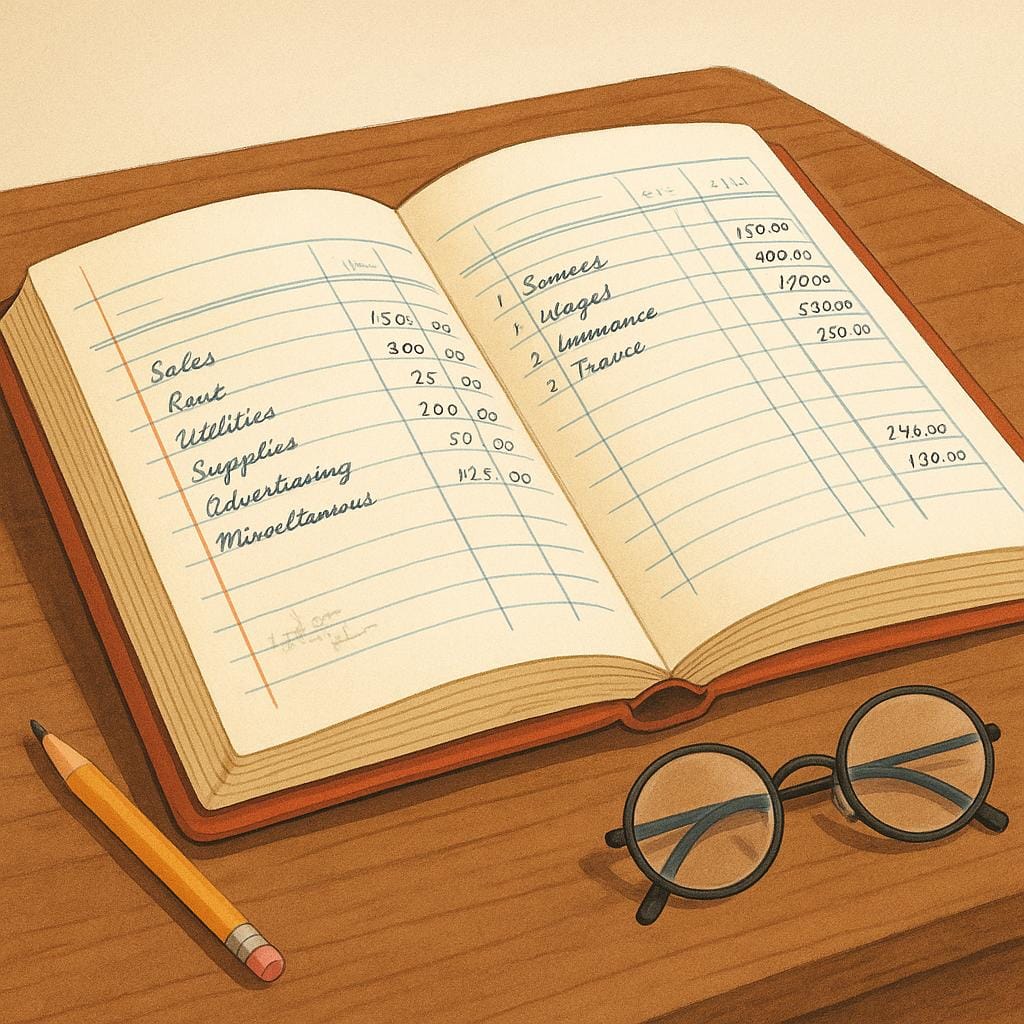
El sistema guarda un registro de todas las llamadas.
The system keeps a record of all the calls.
Encontré un registro antiguo de mi abuelo en la biblioteca.
I found an old entry for my grandfather in the library.
Always Masculine
Even though it ends in '-o', remember to always use the masculine articles: 'el registro' or 'un registro'.
documento
do-ku-MEN-todo.kuˈmen.to

Examples
Necesito firmar este documento antes de irme.
I need to sign this document before I leave.
¿Tienes tu documento de identidad a mano?
Do you have your ID (identity document) handy?
El abogado revisó todos los documentos legales del caso.
The lawyer reviewed all the legal documents for the case.
Gender Rule
Even though 'documento' ends in '-o', which usually means it's masculine, remember that the word for 'paper' is also masculine: 'el papel'.
Confusing Paper Types
Mistake: “Using 'papel' when you mean a formal record.”
Correction: Use 'documento' for official records (like a contract or a passport). Use 'papel' for the material itself (like toilet paper or writing paper).
historial
ee-stoh-ree-AHLis.toˈɾjal

Examples
Borré mi historial de navegación antes de prestar mi computadora.
I deleted my browsing history before lending my computer.
Necesitas enviar tu historial crediticio para solicitar el préstamo.
You need to submit your credit history/record to apply for the loan.
El historial médico de la paciente está en el sistema.
The patient's medical record is in the system.
Always Masculine
Even though 'historia' (history/story) is feminine, 'historial' is always masculine, so you must use 'el historial' or 'un historial'.
Historial vs. Historia
Mistake: “Using 'historia' when referring to a log or record of actions (e.g., *la historia de navegación*).”
Correction: Use 'historial' for lists of past data or activity (e.g., *el historial de navegación*). Use 'historia' for the academic subject, storytelling, or the general past of a country.
antecedente
an-te-seh-DEN-tehanteseˈdente

Examples
La policía revisó sus antecedentes antes de darle el trabajo.
The police checked his background before giving him the job.
No hay antecedentes de una tormenta tan fuerte en esta ciudad.
There is no precedent for such a strong storm in this city.
El paciente no tiene antecedentes médicos de importancia.
The patient has no significant medical history.
Using the Plural
When talking about a person's life history or criminal record, you almost always use the plural form: 'los antecedentes'.
The 'Before' Word
In school, this word is used to describe the person or thing you mentioned first before using a word like 'who' or 'which' (e.g., in 'The boy who ran', 'the boy' is the antecedente).
Record vs. Recuerdo
Mistake: “Usar 'record' para hablar de historia criminal.”
Correction: Use 'antecedentes' for a history/record. 'Record' (the English word) sounds like 'recuerdo' (memory) or 'récord' (a sports trophy), which are different.
grabación
Examples
¿Puedes subir el volumen de la grabación, por favor?
Can you turn up the volume of the recording, please?
marca
MAR-cahˈmaɾka

Examples
El nadador rompió la marca nacional.
The swimmer broke the national record.
Su mejor marca personal es de 10.5 segundos.
His personal best time is 10.5 seconds.
Verb Pairing
To talk about setting or achieving a record, use the verb 'establecer' (to establish). To beat a record, use 'romper' (to break) or 'superar' (to overcome).
récord
Examples
El atleta rompió el récord mundial de los 100 metros planos.
The athlete broke the world record for the 100-meter dash.
disco
DEES-kohˈdisko

Examples
Mi abuelo todavía escucha música en discos de vinilo.
My grandfather still listens to music on vinyl records.
Este es el nuevo disco de mi banda favorita.
This is the new album by my favorite band.
Masculine Noun Rule
'Disco' is always masculine, so you must use 'el' or 'un' before it, even though it ends in '-o'.
álbum
Examples
Mi abuela guarda todas las fotos antiguas en un álbum.
My grandmother keeps all the old photos in an album.
constancia
kons-TAHN-syahkonsˈtanθja

Examples
Quiero dejar constancia de mi desacuerdo en el acta.
I want to put my disagreement on the record in the minutes.
No hay constancia de que él estuviera allí.
There is no record that he was there.
Pide una constancia de estudios en la oficina.
Ask for a certificate of enrollment at the office.
Record of what?
When you want to say 'record of' something, use the word 'de'. For example: 'constancia de pago' (proof of payment).
Constancia vs. Record
Mistake: “Mira mi record de notas.”
Correction: Mira mi constancia de notas. While 'récord' is used for sports achievements, 'constancia' is used for official school or work documents.
asiento
ah-SYEN-tohaˈsjento

Examples
El contador hizo un asiento doble para corregir el error.
The accountant made a double entry to correct the error.
Revisamos los asientos de gastos del último trimestre.
We reviewed the expenditure records for the last quarter.
Technical Use
This meaning relates to the core verb 'asentar' (to record or to set down). In business, it means placing information into a book or ledger.
plato
PLAH-tohˈplato
Examples
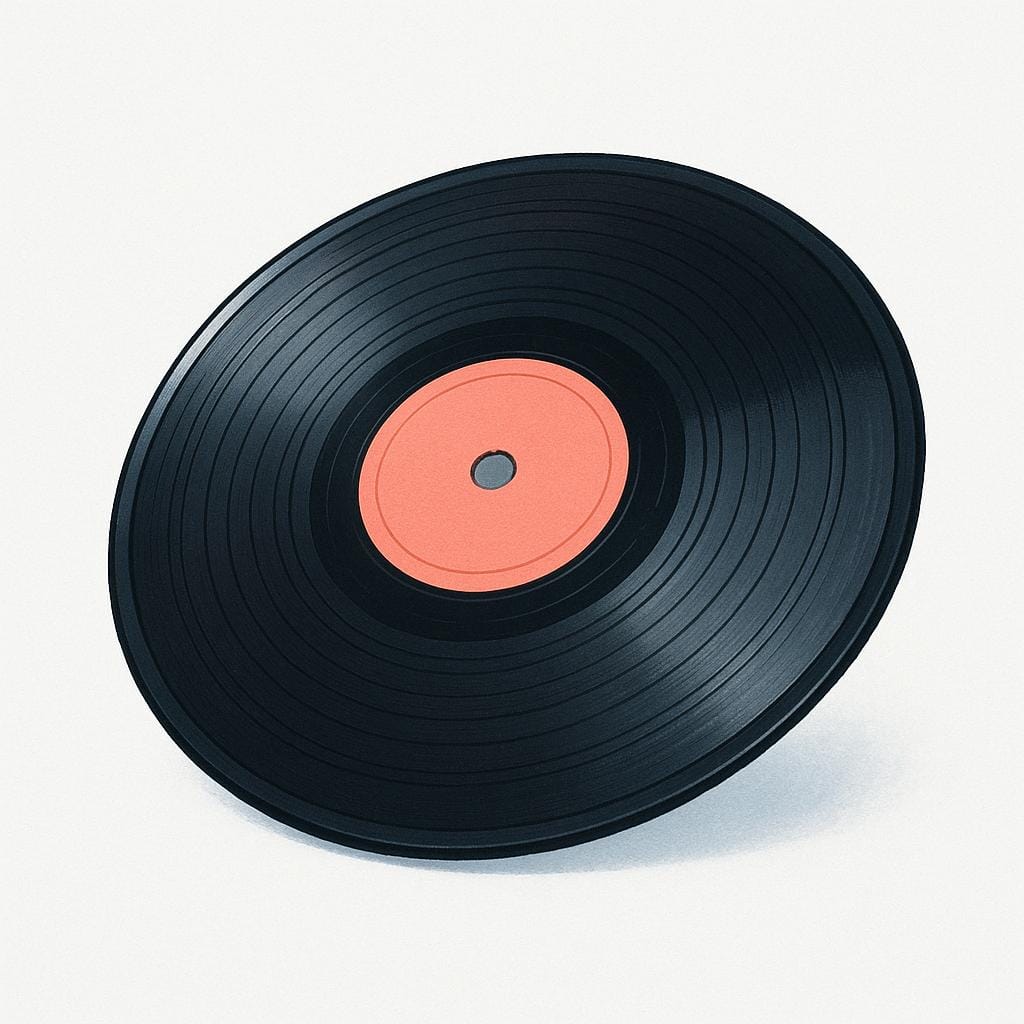
Ese DJ tiene una colección de platos antiguos impresionante.
That DJ has an impressive collection of old records (vinyl).
Añade un poco de sonido con los platos de la batería.
Add some sound with the cymbals of the drum kit.
Figurative Use
This meaning is based on the object's round, flat shape. When talking about music, 'plato' often specifically means a vinyl record, especially in informal settings.
discográfico
Examples
El mercado discográfico ha cambiado mucho con las plataformas digitales.
The record market has changed a lot with digital platforms.
certificado
ser-tee-fee-KAH-dohseɾ.ti.fiˈka.ðo

Examples
Necesito el certificado de nacimiento para mi pasaporte.
I need the birth certificate for my passport.
Recibimos un certificado de regalo por cien euros.
We received a gift certificate for one hundred euros.
El curso incluye un certificado de finalización.
The course includes a certificate of completion.
Gender Agreement
Since 'certificado' is a masculine noun, use masculine articles and adjectives with it (e.g., 'un certificado nuevo').
Using the wrong verb
Mistake: “Hacer un certificado (To make a certificate)”
Correction: Obtener/Recibir un certificado (To get/receive a certificate) or Emitir un certificado (To issue a certificate).
nota
NOH-tahˈno.ta

Examples
Dejé una nota a mi compañero de piso antes de salir.
I left a note for my roommate before leaving.
El director tomó nota de todos nuestros comentarios.
The director made a note of all our comments.
'Tomar nota'
The fixed phrase 'tomar nota' means 'to write something down' or 'to pay attention to something so you remember it later.' Do not use 'hacer' (to make) a note.
Using 'hacer' with notes
Mistake: “Hice una nota.”
Correction: Escribí una nota (I wrote a note) or Tomé una nota (I took a note).
tome
TOH-mehˈto.me

Examples
Pidió al equipo que tome una actitud más seria.
He asked the team to adopt a more serious attitude.
Sugiero que se tome una foto grupal antes de irnos.
I suggest that a group photo be taken before we leave.
Espero que mi jefe tome en cuenta mis sugerencias.
I hope my boss takes my suggestions into account.
Impersonal Wishes
When a non-personal subject is required (like 'it is necessary that'), 'tome' is often used impersonally: 'Es necesario que se tome la temperatura' (It is necessary that the temperature be taken).
Action vs. Result
Related Translations
Learn Spanish with Inklingo
Interactive stories, personalized learning, and more.