How to Say "mark" in Spanish
The most common Spanish word for “mark” is “nota” — use 'nota' specifically for the score or grade received on an academic test, assignment, or paper.


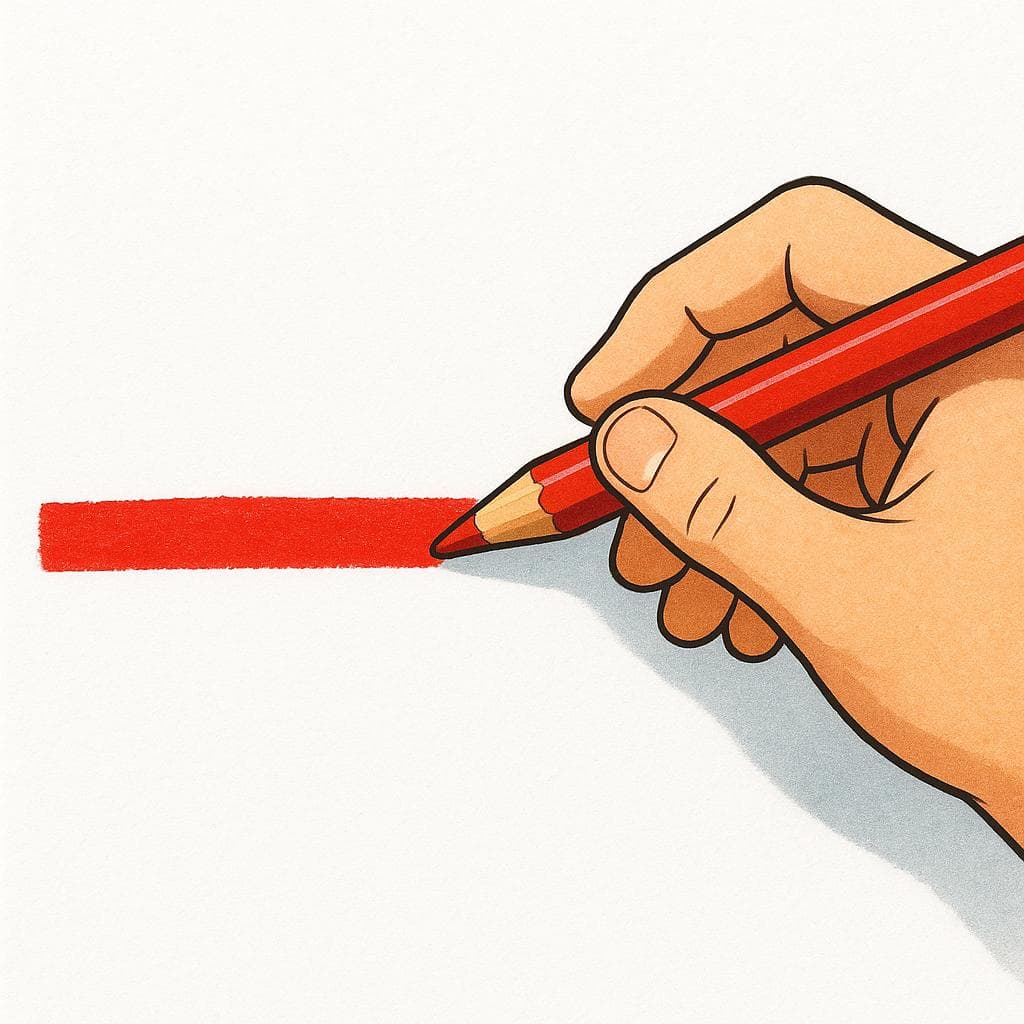

nota
NOH-tahˈno.ta

Examples
Mi hermana sacó la nota más alta de la clase.
My sister got the highest grade in the class.
¿Qué nota necesitas para aprobar el curso?
What mark do you need to pass the course?
Use of 'Sacar'
To talk about receiving a grade, Spanish often uses the verb 'sacar' (to take out), which translates functionally to 'to get' or 'to earn' a score.
marca
MAR-cahˈmaɾka

Examples
Hay una marca de zapato en el suelo.
There is a shoe mark on the floor.
Su caída dejó una pequeña marca en la rodilla.
His fall left a small mark (scar) on his knee.
Necesitas hacer una marca con lápiz antes de cortar.
You need to make a mark with a pencil before cutting.
calificación
Examples
Recibí una buena calificación en mi examen de matemáticas.
I got a good grade on my math exam.
marcar
mar-KARmaɾˈkaɾ
Examples
El reloj marcó las doce en punto.
The clock indicated exactly twelve o'clock.
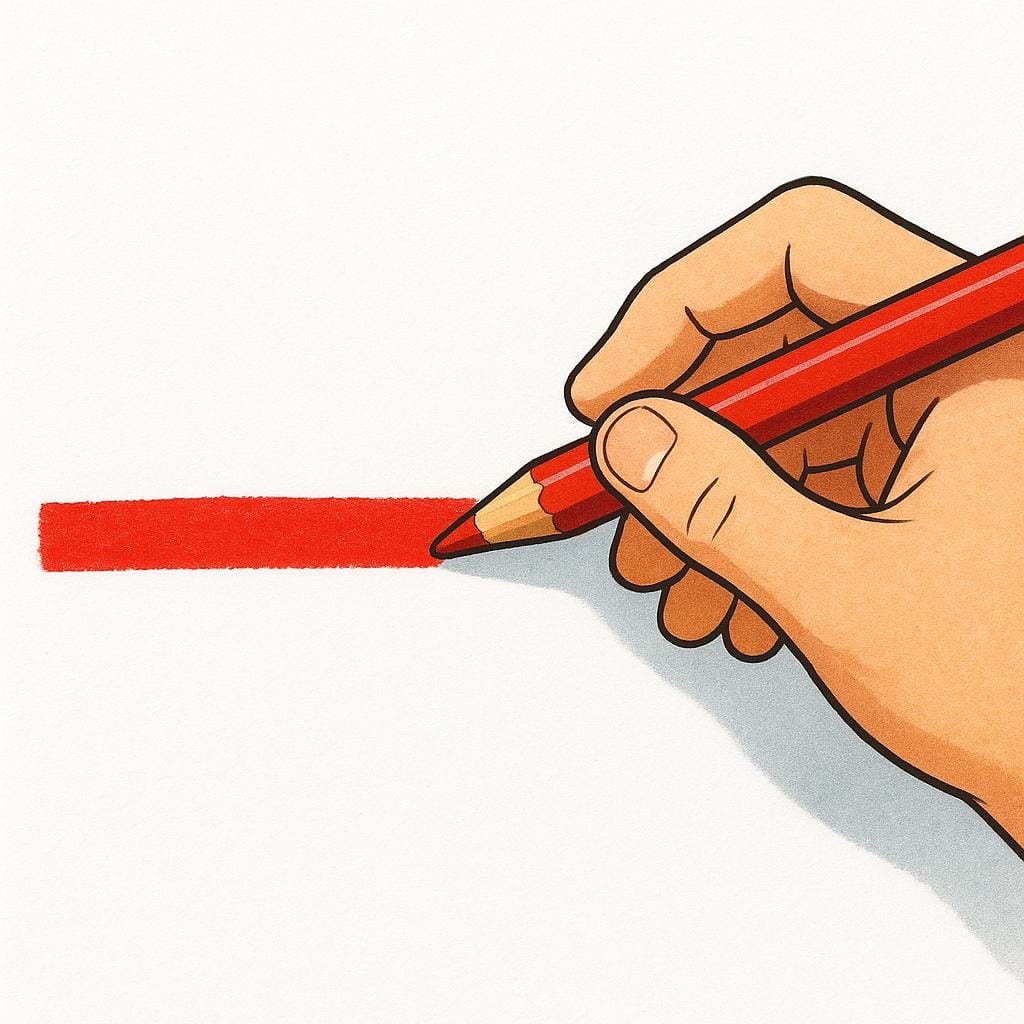
Debes marcar con una 'X' la casilla correcta.
You must mark the correct box with an 'X'.
El mapa marca dónde está el tesoro.
The map indicates where the treasure is.
Reflexive Use for Appearance
The reflexive form 'marcarse' can mean that something is visible or noticeable, often related to clothing or physique: 'Se le marcan los músculos' (His muscles show).
grado
GRAH-dohˈɡɾa.ðo
Examples
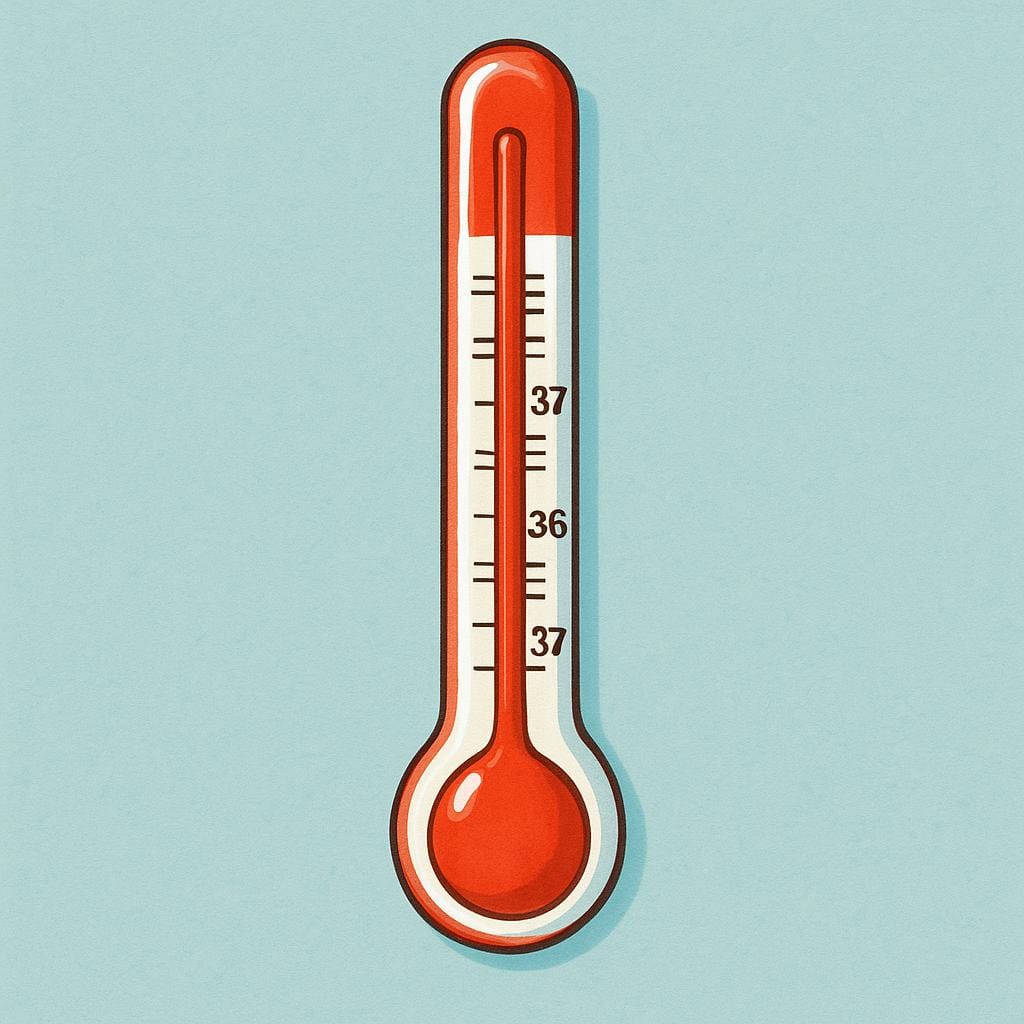
Hoy hace mucho calor; la temperatura subió a 35 grados.
It's very hot today; the temperature rose to 35 degrees.
El ángulo recto siempre tiene noventa grados.
A right angle always has ninety degrees.
Always Plural for Numbers
When talking about specific measurements (like 30 or 90), 'grado' must be used in its plural form: 'grados'.
Using 'nota' for temperature
Mistake: “La temperatura es 30 notas.”
Correction: La temperatura es 30 grados. ('Nota' means a test score or a note, not a degree of temperature.)
signo
síng-noˈsiɣno
Examples
Siempre olvido dónde va el signo de interrogación.
I always forget where the question mark goes.
El signo de suma es un más (+).
The addition sign is a plus (+).
Necesitas añadir un signo de exclamación al final de esa frase.
You need to add an exclamation mark at the end of that sentence.
Gender Check
Remember that 'signo' is a masculine noun, so you always use 'el signo' or 'un signo'.
señal
Examples
La cicatriz en su brazo es una señal de su operación.
The scar on his arm is a mark from his surgery.
diana
dee-AH-nahˈdja.na

Examples
El arquero apuntó y golpeó la diana con su primera flecha.
The archer aimed and hit the bullseye with his first arrow.
Si quieres ganar en los dardos, tienes que dar en la diana.
If you want to win at darts, you have to hit the target (bullseye).
Su propuesta dio en la diana; fue exactamente lo que el jefe quería.
His proposal hit the mark; it was exactly what the boss wanted.
Using the Feminine Article
Since 'diana' is a feminine noun, always use 'la' or 'una' before it: 'la diana' (the bullseye) or 'una diana' (a target).
Confusing Target Words
Mistake: “Using 'el objetivo' when referring to a physical target for shooting.”
Correction: Use 'la diana' for the physical spot you aim at in sports. 'Objetivo' usually means a goal or aim.
Grade vs. Physical Mark
Learn Spanish with Inklingo
Interactive stories, personalized learning, and more.