How to Say "scar" in Spanish
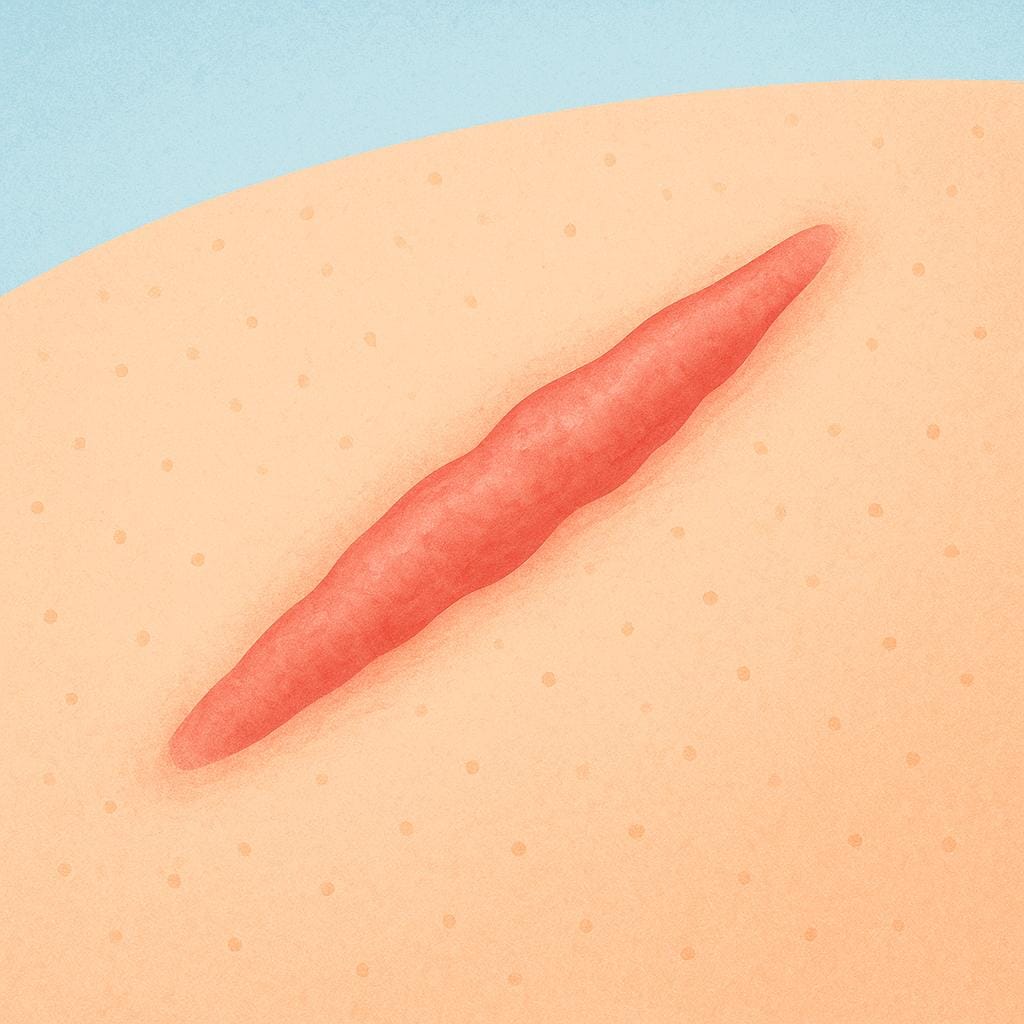
The most common Spanish word for “scar” is “cicatriz” — use 'cicatriz' specifically for the physical mark left on the skin after a wound has healed.
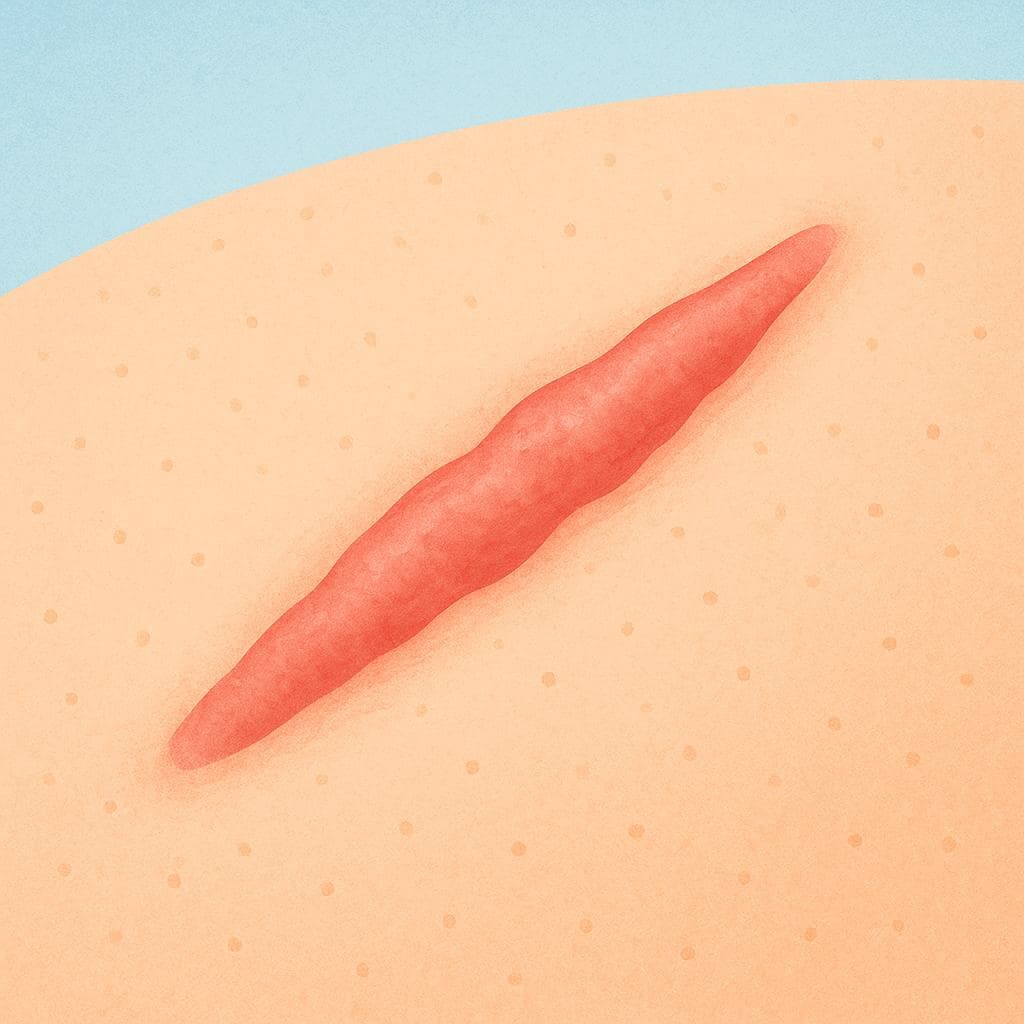
cicatriz
see-kah-TREESsikaˈtɾis
Examples
Tiene una cicatriz grande en el codo por una caída de niño.
He has a large scar on his elbow from a fall as a child.
La crema ayuda a que la cicatriz se vea menos.
The cream helps the scar look less noticeable.
Después de la operación, solo quedó una pequeña cicatriz.
After the operation, only a small scar remained.
Feminine Noun Ending in -Z
Even though many Spanish nouns ending in -z are masculine, 'cicatriz' is feminine. Remember to use 'la' or 'una' with it: 'la cicatriz'.
Gender Confusion
Mistake: “El cicatriz”
Correction: La cicatriz. This word is always feminine.
marca
MAR-cahˈmaɾka
Examples
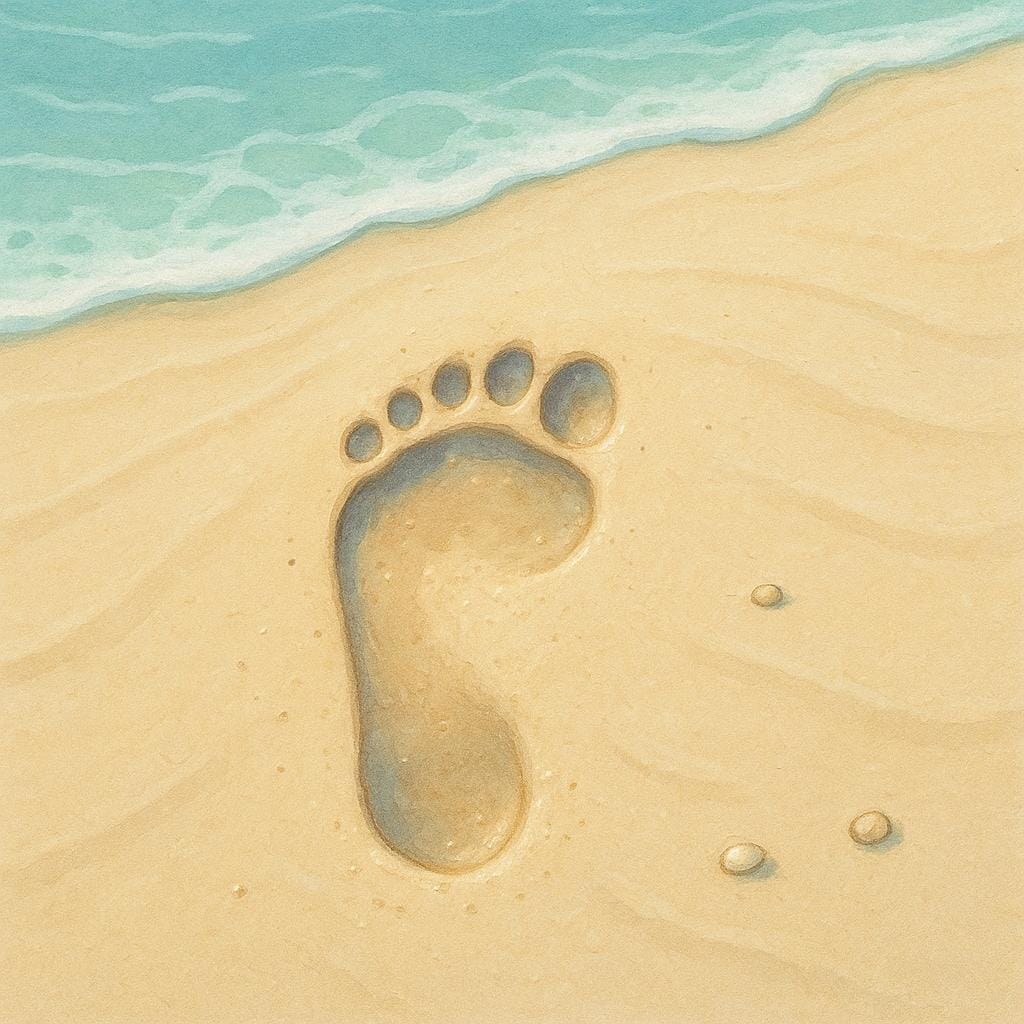
Hay una marca de zapato en el suelo.
There is a shoe mark on the floor.
Su caída dejó una pequeña marca en la rodilla.
His fall left a small mark (scar) on his knee.
Necesitas hacer una marca con lápiz antes de cortar.
You need to make a mark with a pencil before cutting.
señal
Examples
La cicatriz en su brazo es una señal de su operación.
The scar on his arm is a mark from his surgery.
Cicactriz vs. Marca vs. Señal
Related Translations
Learn Spanish with Inklingo
Interactive stories, personalized learning, and more.