How to Say "mishap" in Spanish
The most common Spanish word for “mishap” is “accidente” — use 'accidente' for a minor physical incident or accident that causes slight harm or damage, like a small injury or a minor traffic incident.

Use 'accidente' for a minor physical incident or accident that causes slight harm or damage, like a small injury or a minor traffic incident.
Learn more →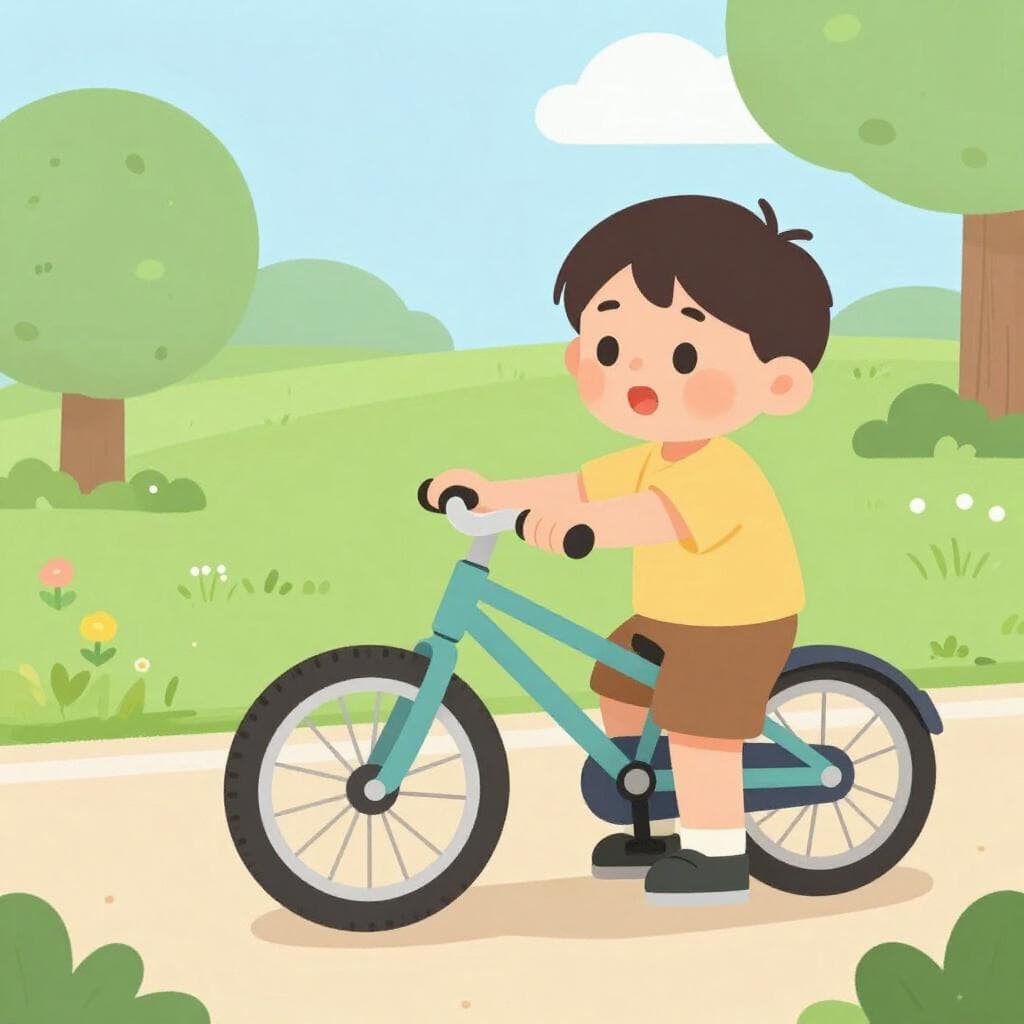
Choose 'contratiempo' for a minor setback or inconvenience, especially one that causes a delay or disruption to plans, often related to logistics or everyday occurrences.
Learn more →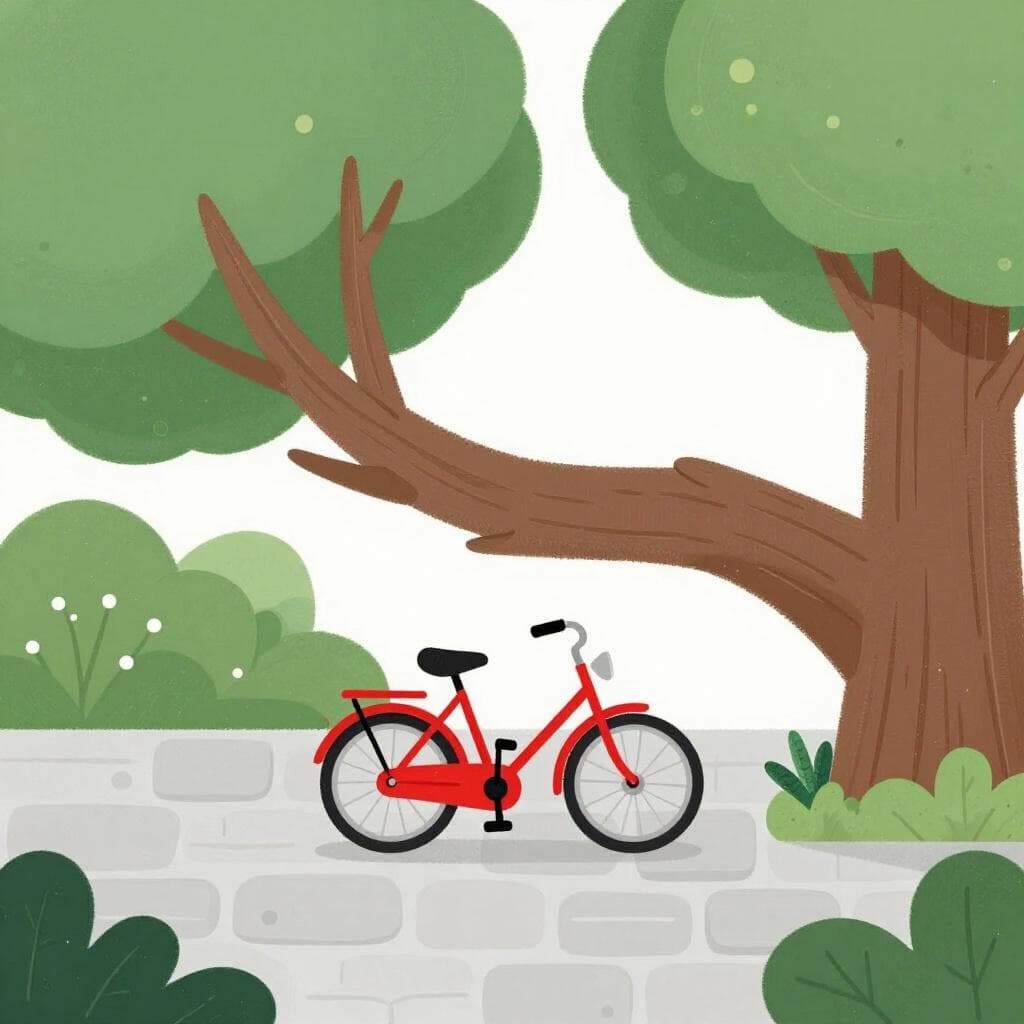
Use 'incidencia' for a specific, often unexpected, event or issue that arises, commonly used for technical problems or minor complications in a process.
Learn more →ak-see-DEN-tayak.siˈðen.te

Examples
Tuve un pequeño accidente en la cocina y me quemé la mano.
I had a little accident in the kitchen and burned my hand.
El tráfico está terrible por un accidente en la autopista.
The traffic is terrible because of an accident on the highway.
Fue un accidente, no lo hizo a propósito.
It was an accident, he didn't do it on purpose.
It's a Masculine Word
Even though 'accidente' ends in '-e', it's a masculine word. Always say 'el accidente' or 'un accidente'.
'Tener' vs. 'Sufrir'
Mistake: “You can say 'tener un accidente' (to have an accident), which is very common. But for more serious events, you might hear 'sufrir un accidente'.”
Correction: 'Sufrir un accidente' adds a sense of seriousness, like saying 'to suffer an accident'. Example: 'Sufrió un grave accidente.' (He suffered a serious accident.)
kon-tra-tyem-pokontɾaˈtjempo
Examples
Lamento la demora, tuve un pequeño contratiempo con el tráfico.
I'm sorry for the delay, I had a small setback with traffic.
El proyecto terminó a tiempo a pesar de los contratiempos.
The project finished on time despite the setbacks.
Si surge cualquier contratiempo, avísame de inmediato.
If any mishap arises, let me know immediately.
Always Masculine
This word is always masculine, so you should always use 'el' or 'un' with it, even if it refers to a situation.
Plural Form
To talk about multiple problems, just add an 's' to the end: 'los contratiempos'.
Don't confuse with bad weather
Mistake: “Hace un contratiempo hoy.”
Correction: Hace mal tiempo hoy. While 'contratiempo' contains the word for time/weather (tiempo), it only means a 'setback' or 'problem' in a plan.
in-see-den-syahinθiˈdenθja
Examples
He tenido una incidencia con mi conexión a internet.
I've had an issue with my internet connection.
El técnico resolvió la incidencia en menos de una hora.
The technician resolved the incident in less than an hour.
Debes abrir un ticket para reportar cualquier incidencia en el software.
You must open a ticket to report any software glitch.
Always Feminine
Even if you are talking about a technical 'glitch' (usually masculine in English), 'la incidencia' is always a feminine word.
Confusing with 'Accident'
Mistake: “Usar 'incidencia' para un choque de coches grave.”
Correction: Use 'accidente' for serious physical crashes. 'Incidencia' is usually for minor delays or technical errors.
Accidente vs. Contratiempo
Learners often confuse 'accidente' and 'contratiempo'. Remember that 'accidente' usually implies a more physical event or a slight injury, while 'contratiempo' refers to a mere inconvenience or delay, like traffic problems, that doesn't cause harm.
Related Translations
Learn Spanish with Inklingo
Interactive stories, personalized learning, and more.