How to Say "more" in Spanish
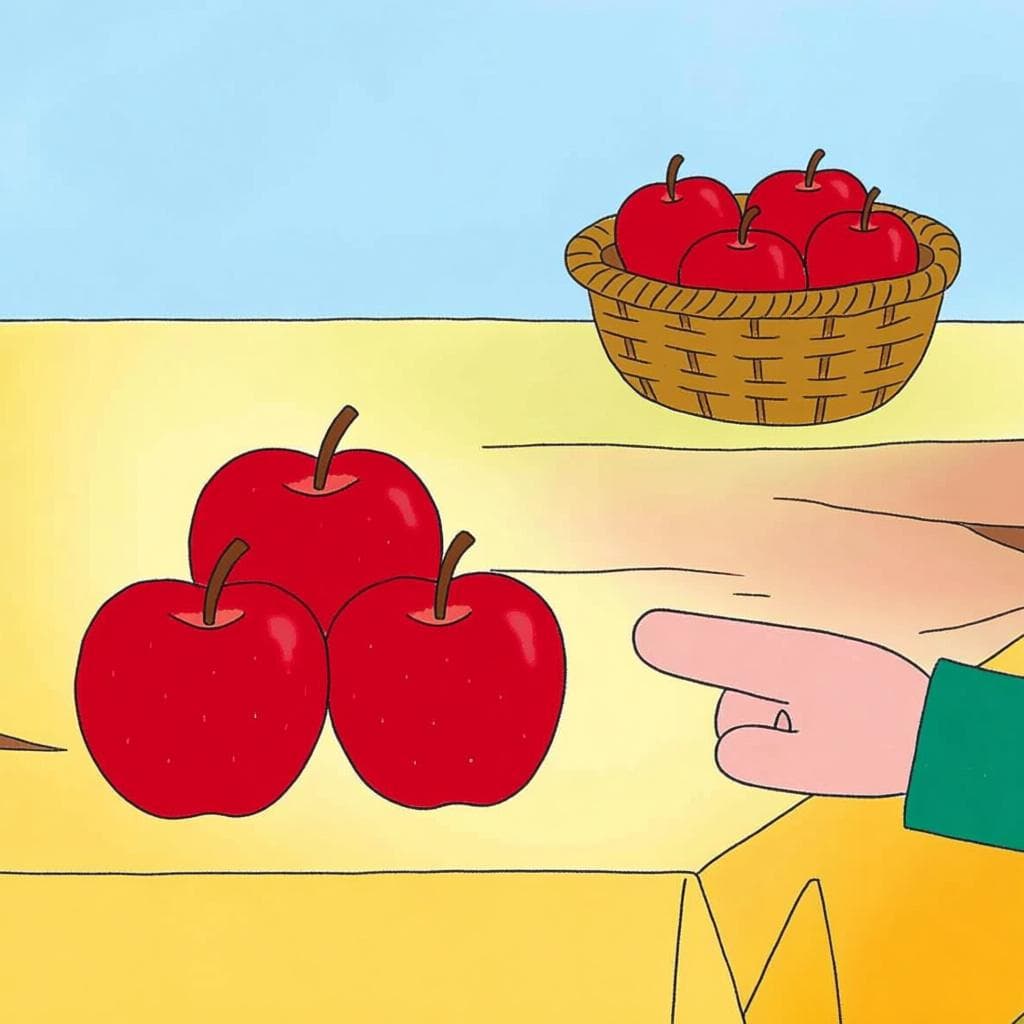
The most common Spanish word for “more” is “más” — use 'más' as an adverb when you want to indicate a greater quantity or degree of something, or when making a comparison.

Examples
Quiero más agua, por favor.
I want more water, please.
Examples
-¿Quieres un poco de pastel? -Sí, quiero más, por favor.
-Do you want some cake? -Yes, I want more, please.
otras
oh-trahsˈotɾas
Examples
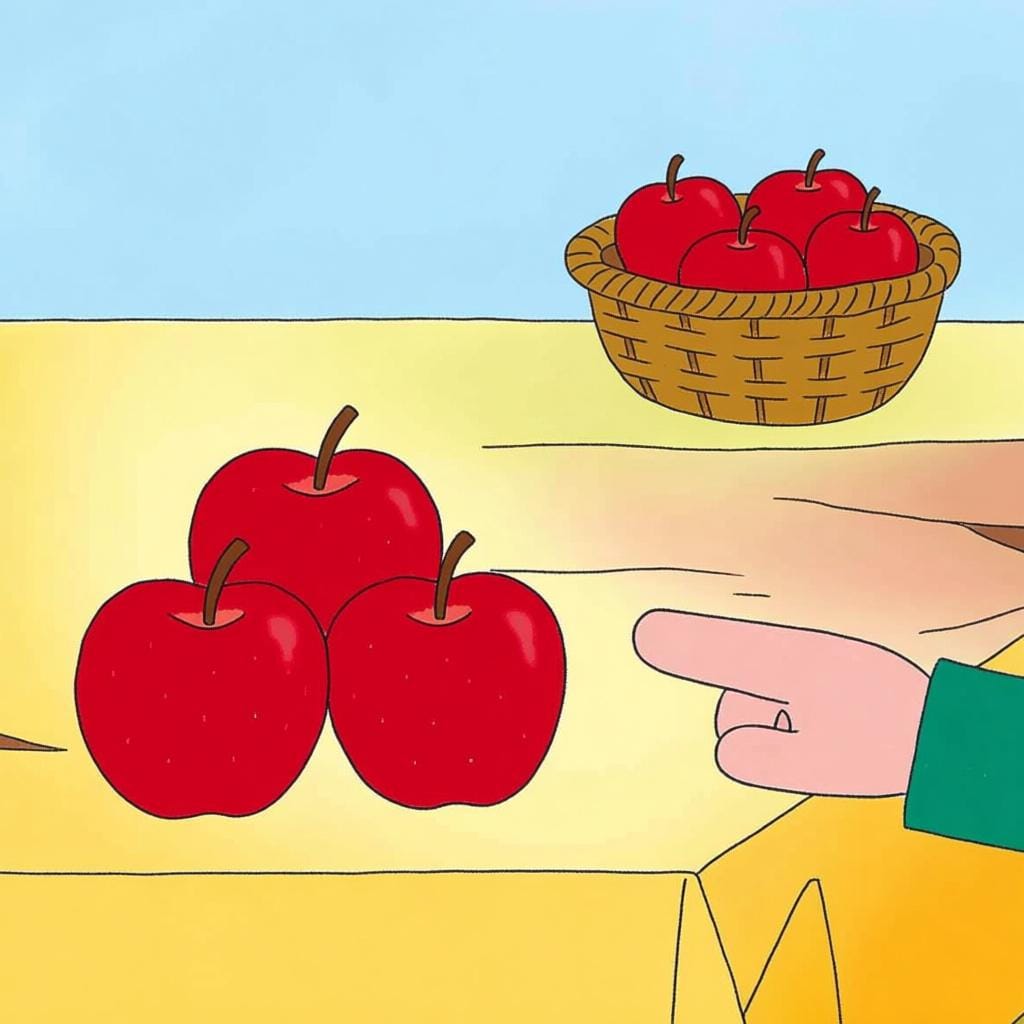
Necesito las otras sillas, por favor.
I need the other chairs, please.
Hay otras maneras de resolver el problema.
There are other ways to solve the problem.
¿Quieres otras dos galletas?
Do you want two other cookies? / Do you want two more cookies?
Always Matches Feminine Plural Nouns
Use 'otras' right before a word for more than one feminine thing or person (like 'casas' or 'chicas'). It has to match in being both feminine and plural. Think 'otras amigas' (other female friends).
Never Say 'Unas Otras'
In English, you can say 'some other ones'. In Spanish, you never use 'unas' before 'otras'. Just say 'otras'. For example: 'Tengo otras ideas' (I have other ideas).
Gender Mix-up
Mistake: “Me gustan las otras zapatos.”
Correction: Me gustan los otros zapatos. The word 'zapatos' (shoes) is masculine, so you need the masculine form 'otros' to match it.
ma
mahma

Examples
¿Qué pasa, ma? ¿A dónde vas?
What's up, babe? Where are you going?
Ella es la que ma' me gusta.
She is the one I like the most (Caribbean style).
Dropped Consonants
In Caribbean Spanish, people often drop the 's' at the end of words. So 'más' (more) sounds like 'ma'. In texting, they might write it as 'ma' or 'ma'.'
Spelling vs Sound
Mistake: “Writing 'ma' when you mean 'más' in a formal essay.”
Correction: Always write 'más' with the 's' and accent mark unless you are deliberately writing in a slang or dialect style.
Confusing 'más' with 'otras'
Learn Spanish with Inklingo
Interactive stories, personalized learning, and more.