How to Say "moves" in Spanish
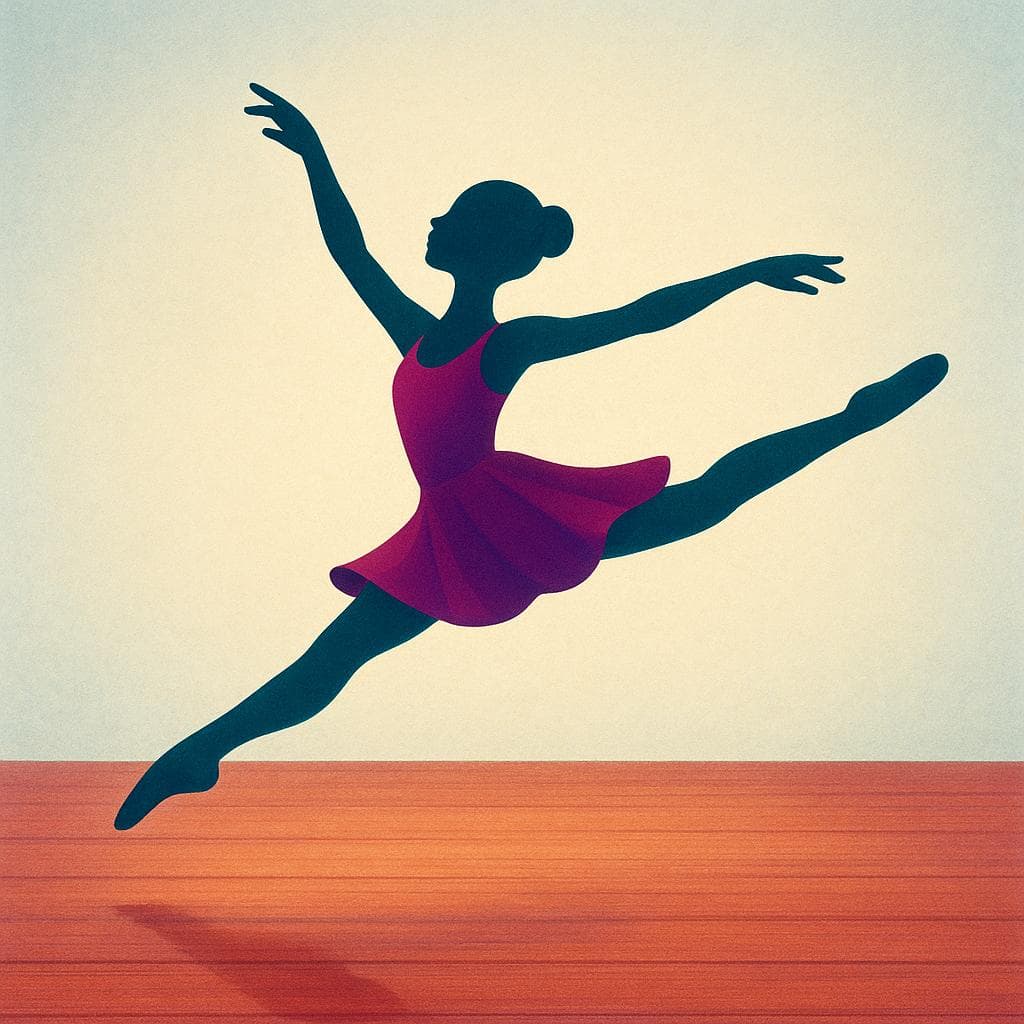
The most common Spanish word for “moves” is “pasos” — use 'pasos' when referring to the specific steps or movements in a dance, choreography, or a sequence of actions.
pasos
PAH-sohsˈpasos
Examples
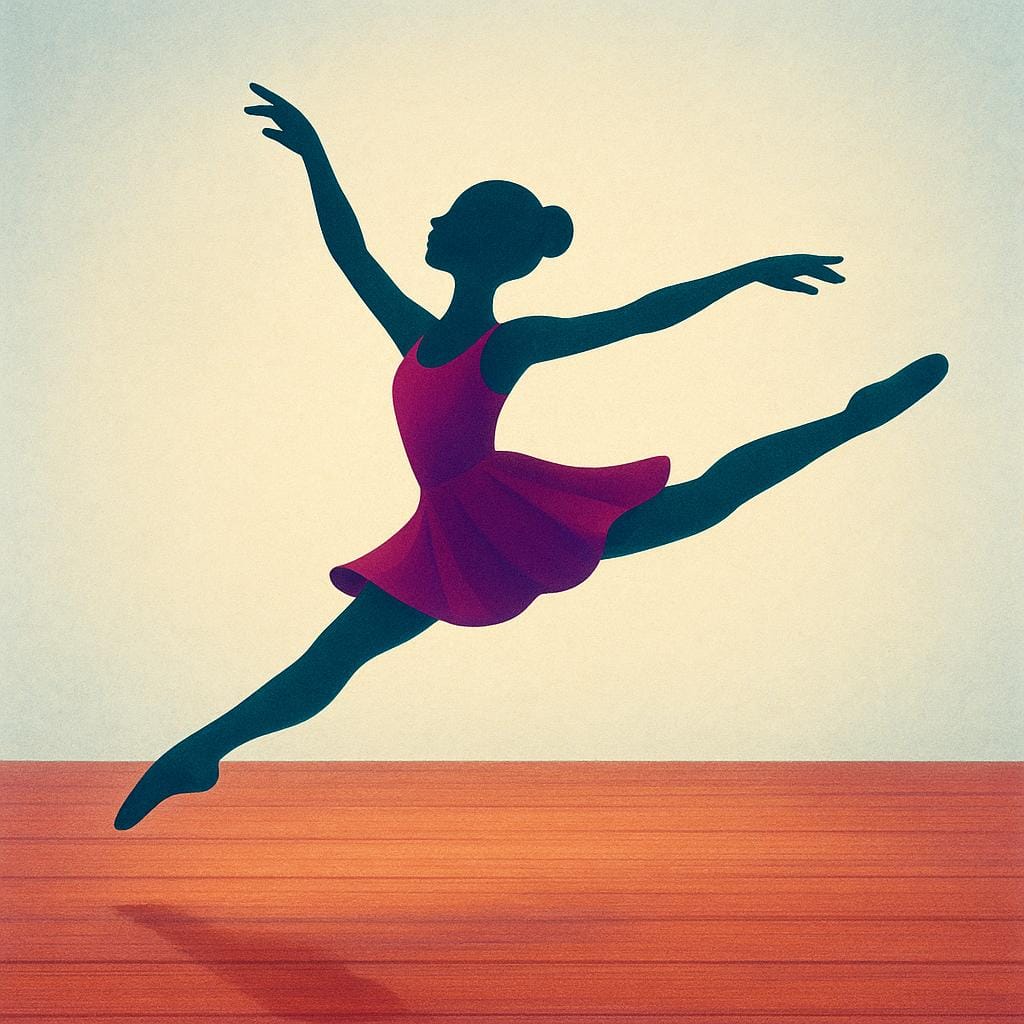
La coreografía requiere pasos complicados.
The choreography requires complicated moves.
La salsa tiene pasos muy rápidos y complejos.
Salsa has very fast and complex steps/moves.
Ella enseña los pasos básicos del tango.
She teaches the basic steps of the tango.
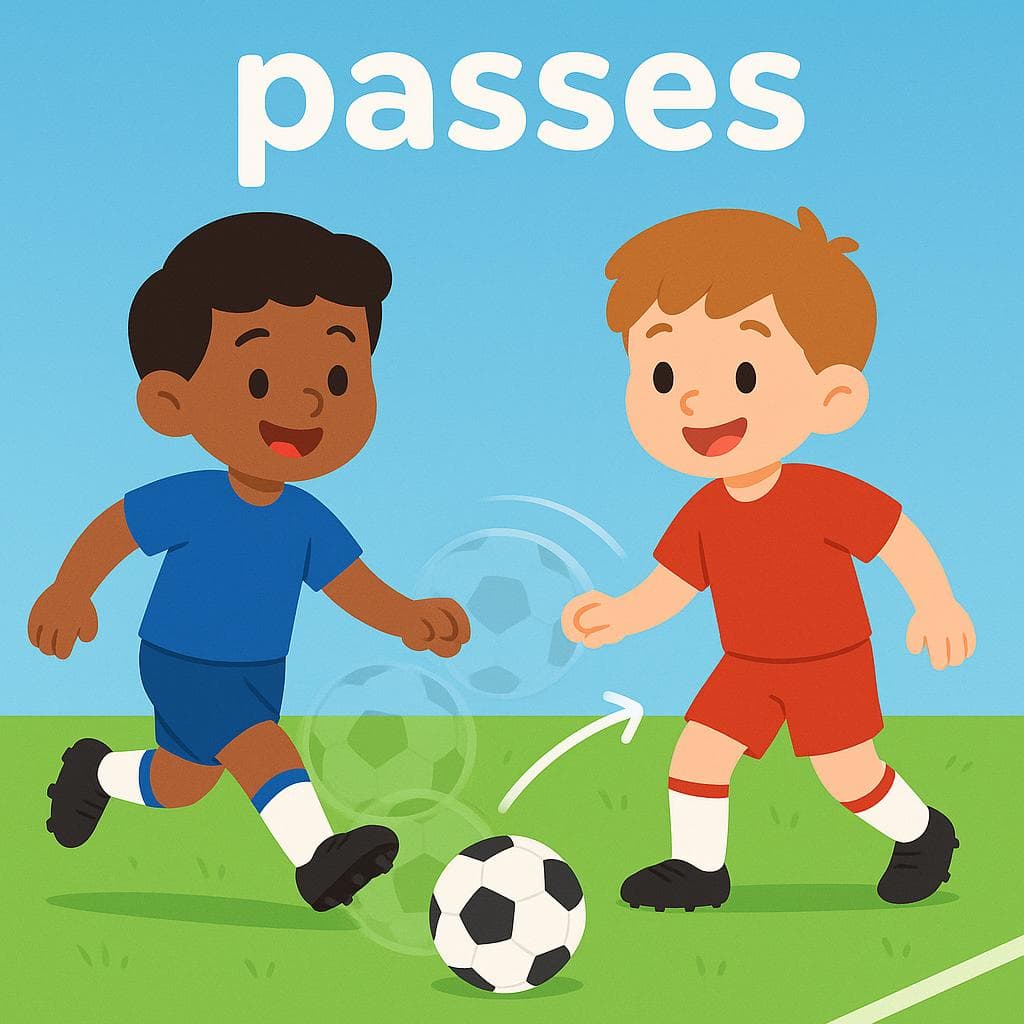
pases
PAH-sesˈpases
Examples
Necesito dos pases para el concierto de esta noche.
I need two tickets/passes for tonight's concert.
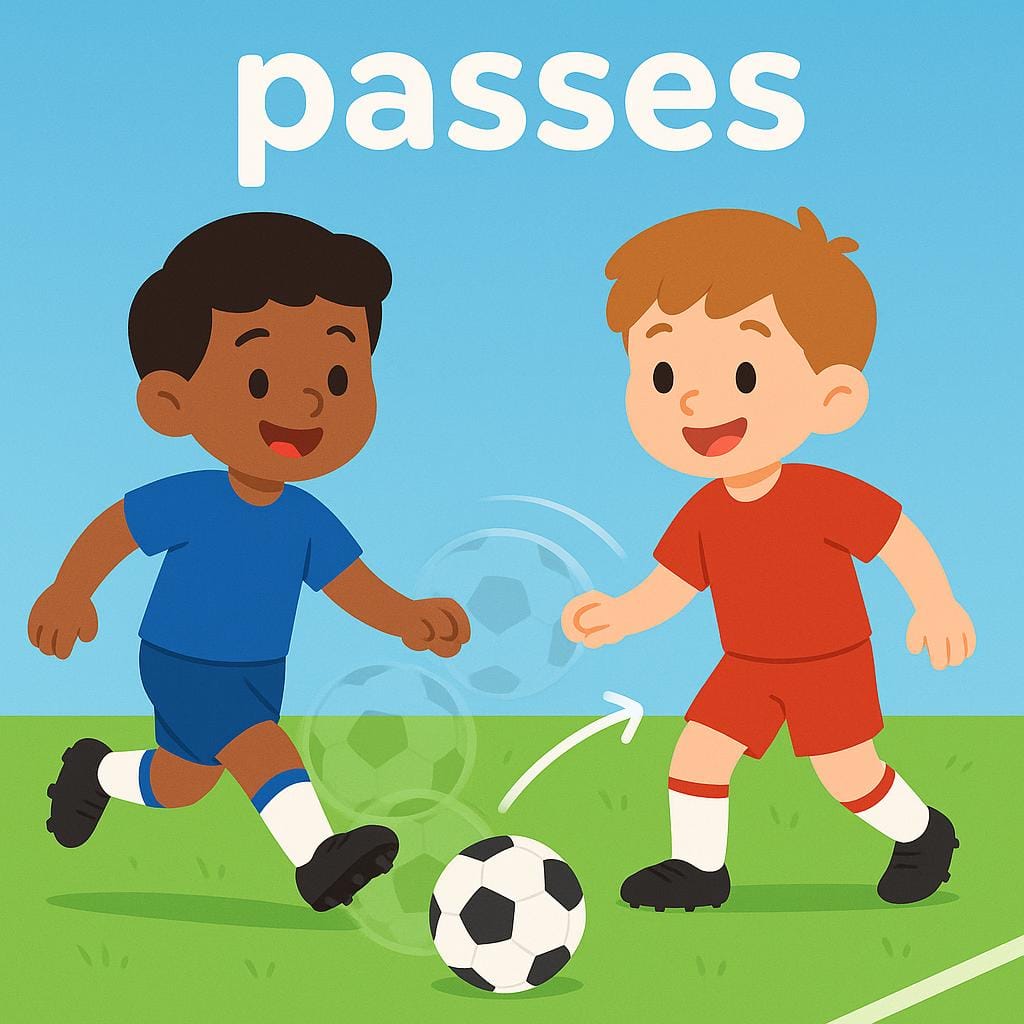
Los jugadores hicieron muchos pases rápidos.
The players made many quick passes (in the game).
Hemos comprado abonos de diez pases para el metro.
We have bought ten-ride passes for the subway.
Plural Rule
The singular noun is 'pase' (ending in 'e'). To make it plural, you just add an 's' to the end: 'pases'.
Gender Consistency
Since 'pase' is a masculine noun, its plural 'pases' must always use masculine articles and adjectives (e.g., los pases, pases rápidos).
Confusing Dance Steps with Tickets
Related Translations
Learn Spanish with Inklingo
Interactive stories, personalized learning, and more.