How to Say "nap" in Spanish
The most common Spanish word for “nap” is “siesta” — use 'siesta' for a customary nap, often taken after lunch, especially in warmer climates, or when you need a short rest during the day.
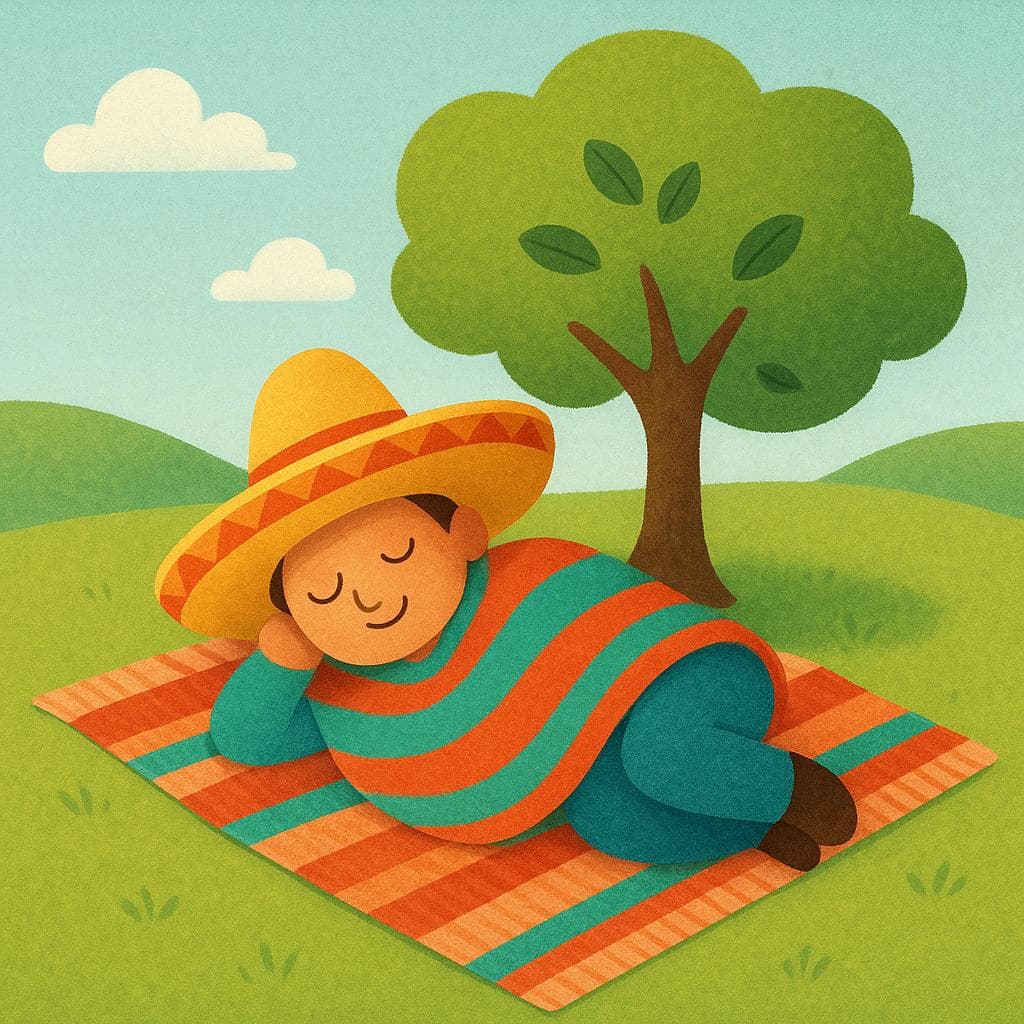
Use 'siesta' for a customary nap, often taken after lunch, especially in warmer climates, or when you need a short rest during the day.
Learn more →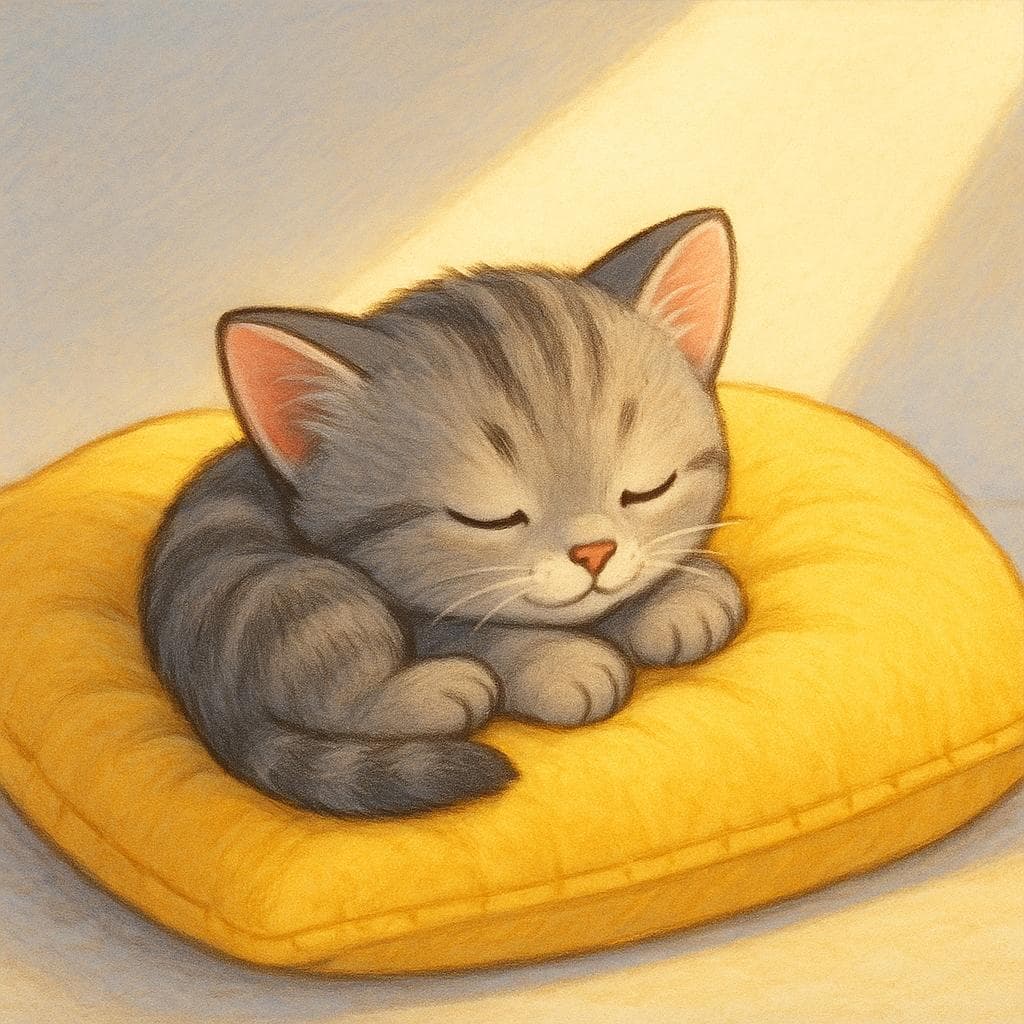
Use 'dormida' to describe a brief, often unplanned period of sleep, like a quick doze or a short nap you take at any time of day.
Learn more →see-ESS-tahˈsjes.ta
Examples
Después del almuerzo, necesito una siesta corta.
After lunch, I need a short nap.
En verano, la siesta es obligatoria para recuperar energía.
In summer, the nap is mandatory to recover energy.
Mi abuelo siempre echa la siesta en el sofá.
My grandfather always takes a nap on the sofa.
Using the Verb 'Echar'
The most natural way to say 'to take a nap' in Spanish is using the verb 'echar' (to throw/cast) plus 'una siesta' or 'la siesta': 'Echar una siesta'.
Taking vs. Sleeping
Mistake: “Using 'tomar una siesta' (which is understandable but less common).”
Correction: Use 'echar una siesta' or 'dormir la siesta'. 'Echar' is often preferred for short, quick actions like taking a nap or a look.
dor-MEE-dahdoɾˈmiða
Examples
Después de comer, me voy a echar una dormida de veinte minutos.
After eating, I'm going to take a twenty-minute nap.
Necesito una buena dormida para recuperarme del viaje.
I need a good sleep to recover from the trip.
Using 'Echar'
The phrase 'echar una dormida' is very common. 'Echar' here means 'to toss' or 'to throw,' but in this context, it simply means 'to take' or 'to have' a short sleep.
Confusing 'Dormida' and 'Sueño'
Mistake: “Using 'dormida' when you mean 'dream' or 'sleepiness' ('Tengo mucha dormida').”
Correction: Use 'sueño' for 'sleepiness' ('Tengo mucho sueño') or 'dream' ('un sueño'). 'Dormida' is usually the *act* of taking a short rest.
Siesta vs. Dormida
Learners often overuse 'siesta' for any short sleep. Remember that 'siesta' specifically refers to the traditional post-lunch nap, while 'dormida' is a more general term for any brief sleep, regardless of the time or reason.
Related Translations
Learn Spanish with Inklingo
Interactive stories, personalized learning, and more.