How to Say "obnoxious" in Spanish
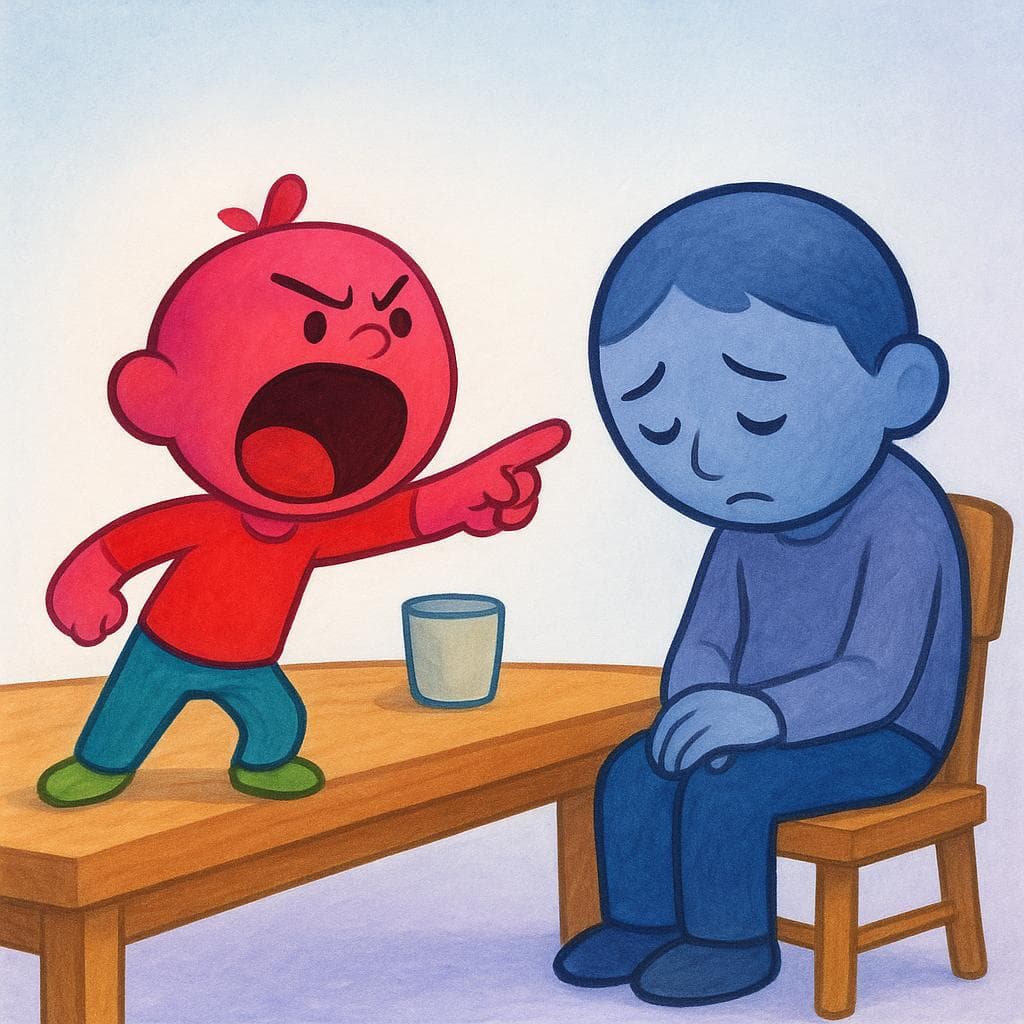
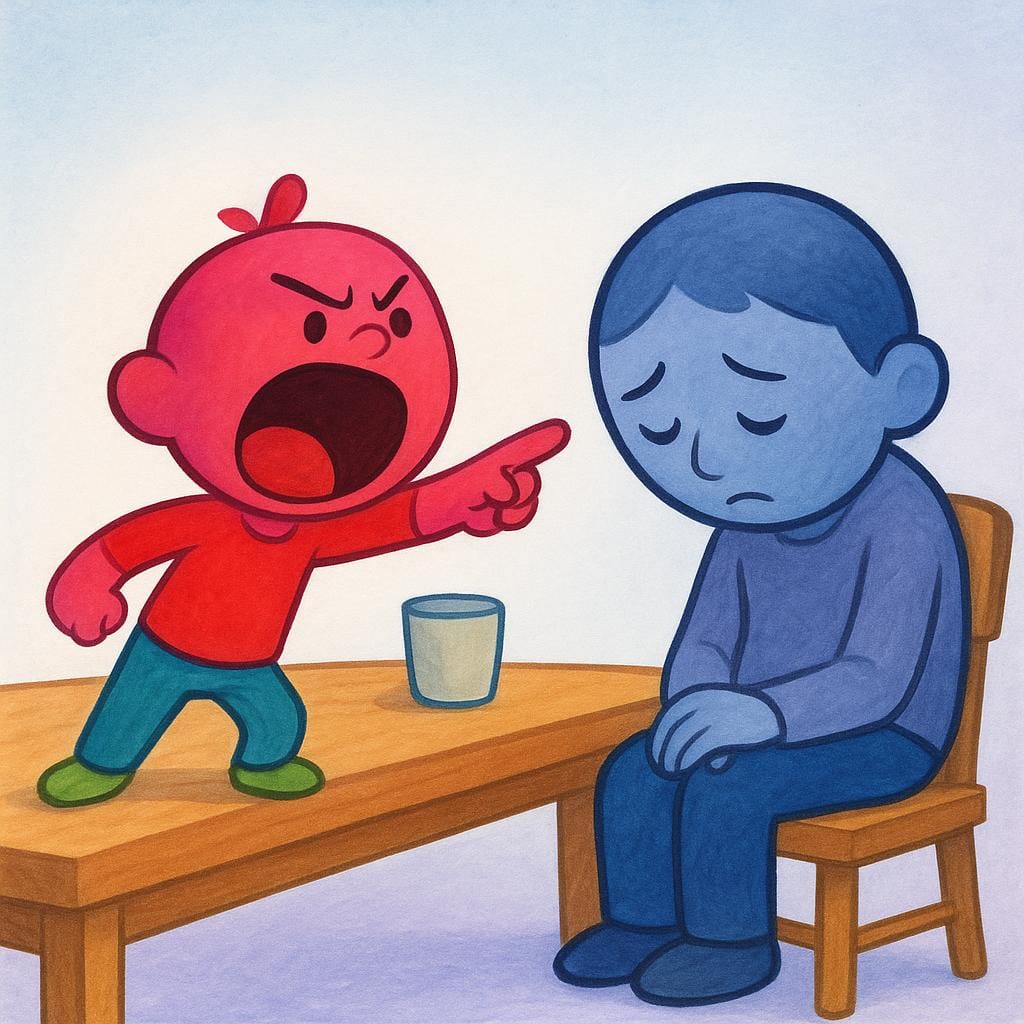
The most common Spanish word for “obnoxious” is “insoportable” — use 'insoportable' when something or someone is extremely annoying or difficult to tolerate, often due to their actions or behavior.

insoportable
een-soh-por-TAH-blehin.so.poɾˈta.βle
Examples
Mi jefe es insoportable; siempre está gritando.
My boss is obnoxious; he is always yelling.
Su actitud arrogante se volvió insoportable para todos.
His arrogant attitude became intolerable for everyone.
Ese niño no para de hacer ruido, ¡es insoportable!
That child won't stop making noise, he is unbearable (or: a pain)!
Gender is Easy
Since 'insoportable' ends in '-e', it is one of the adjectives that doesn't change based on whether the person or thing you are describing is masculine or feminine (e.g., 'el jefe insoportable' and 'la vecina insoportable').
Don't Change the Ending
Mistake: “insoportablo / insoportabla”
Correction: The ending remains '-able' for both genders. Only change it to 'insoportables' if you are describing more than one thing.
odioso
oh-dyoh-sohoˈðjoso

Examples
Mi hermano pequeño puede ser muy odioso a veces.
My little brother can be very annoying sometimes.
No seas odioso y deja de burlarte de él.
Don't be obnoxious and stop making fun of him.
Limpiar el baño es una tarea odiosa.
Cleaning the bathroom is an unpleasant task.
Matching the Person
This word changes its ending based on who you are describing: use 'odioso' for a male and 'odiosa' for a female.
Using with 'Ser'
We usually use this word with 'ser' (to be) because being annoying is seen as a personality trait or a characteristic of a thing.
Mistaking it for 'Hating'
Mistake: “Using it to say you hate something (e.g., 'Soy odioso el brócoli').”
Correction: Say 'Odio el brócoli' (I hate broccoli). 'Odioso' describes the thing being hated, not the person who is feeling the hate.
Insoportable vs. Odioso
Related Translations
Learn Spanish with Inklingo
Interactive stories, personalized learning, and more.