How to Say "off" in Spanish
The most common Spanish word for “off” is “apagado” — use 'apagado' to describe something that has been switched off, like a light, an appliance, or an engine.


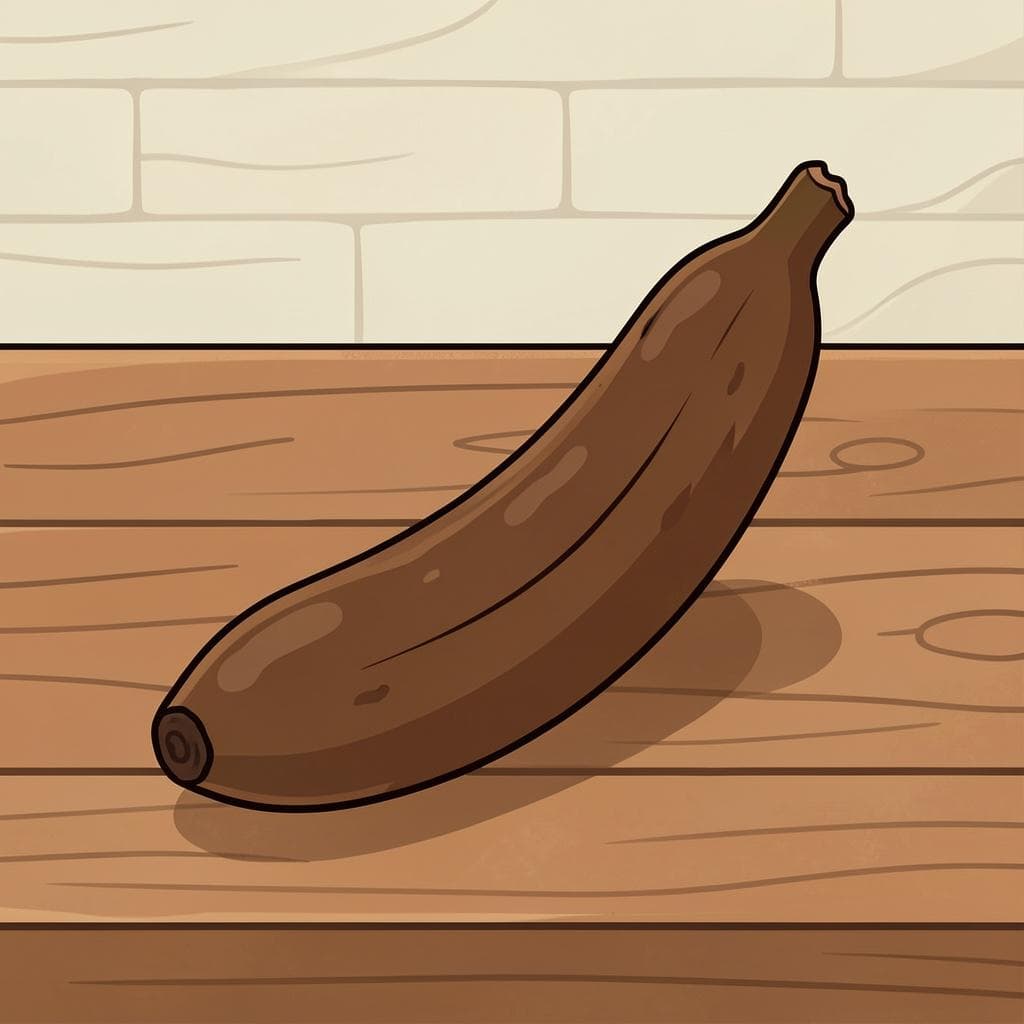

apagado
ah-pah-GAH-doha.paˈɣa.ðo

Examples
El televisor está apagado.
The television is off.
La luz de la cocina está apagada.
The kitchen light is turned off.
¿Puedes revisar el móvil? Parece que está apagado.
Can you check the cell phone? It seems like it's off.
El fuego de la chimenea ya está completamente apagado.
The fire in the fireplace is already completely extinguished.
Adjective Agreement
Since 'apagado' describes a thing, its ending must match that thing. Use 'apagada' for feminine things (la televisión) and 'apagados' or 'apagadas' for plural things.
State of Being
We use the verb 'estar' (to be) with 'apagado' because it describes the current state or condition of something (it can be turned back on).
Using the Wrong Verb
Mistake: “El teléfono es apagado.”
Correction: El teléfono está apagado. We use 'estar' for temporary conditions, like being off or on.
muertas
MWER-tasmweɾtas

Examples
Las pilas de mi control remoto están muertas.
The batteries in my remote control are dead (off).
Las baterías de mi linterna están muertas.
The batteries in my flashlight are dead.
Encontraron varias flores muertas en el jardín.
They found several dead flowers in the garden.
Dicen que sus esperanzas están muertas después de la noticia.
They say their hopes are dead after the news.
Adjective Agreement
As an adjective, 'muertas' must match the thing it describes. Since it ends in '-as', it is used only for plural, feminine nouns (like 'chicas' or 'baterías').
Mixing Genders
Mistake: “Los flores están muertas.”
Correction: Las flores están muertas. (Since 'flores' is feminine, the adjective must also be feminine.)
estropeado
es-tro-peh-AH-dohestɾopeˈaðo
Examples
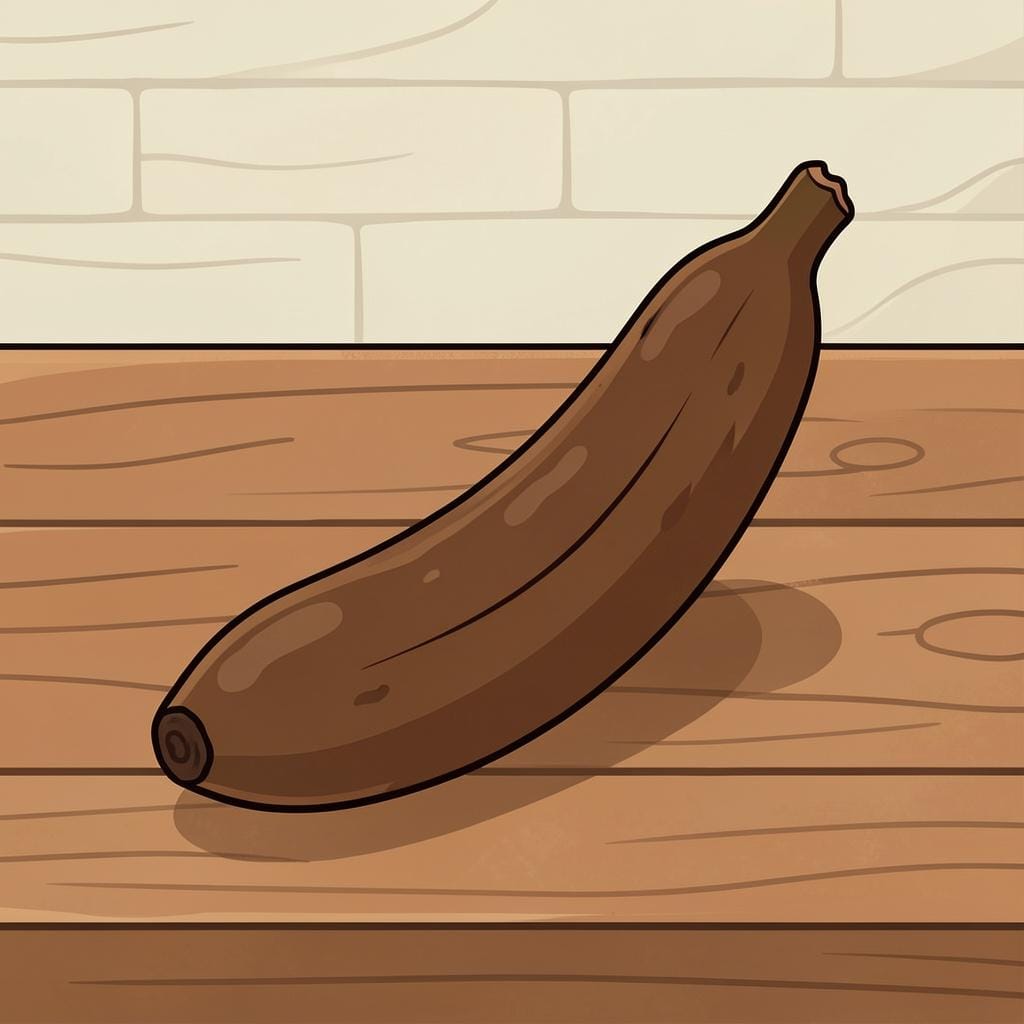
La fruta está estropeada y no se puede comer.
The fruit is spoiled (off) and cannot be eaten.
No bebas esa leche, parece que está estropeada.
Don't drink that milk; it looks like it's gone bad.
El calor ha estropeado toda la fruta del frutero.
The heat has spoiled all the fruit in the bowl.
francos
frán-kosˈfɾan.kos

Examples
Mañana es mi día franco, así que no iré a trabajar.
Tomorrow is my day off, so I will not go to work.
Los fines de semana son días francos para la mayoría de los empleados.
Weekends are free days (days off) for most employees.
Estos productos están francos de impuestos.
These products are exempt from taxes.
Apagado vs. Muertas
Learn Spanish with Inklingo
Interactive stories, personalized learning, and more.