How to Say "pool" in Spanish
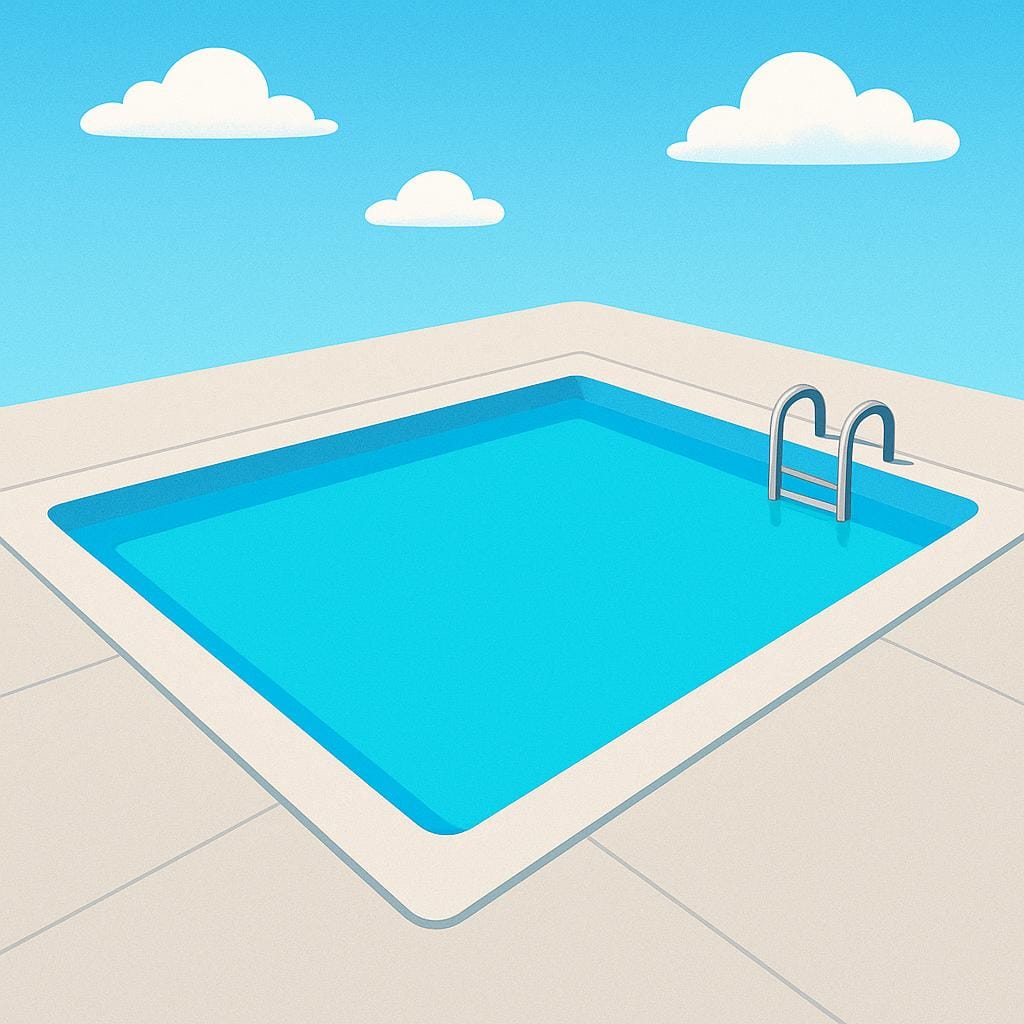
The most common Spanish word for “pool” is “piscina” — use 'piscina' for a place specifically designed for swimming.
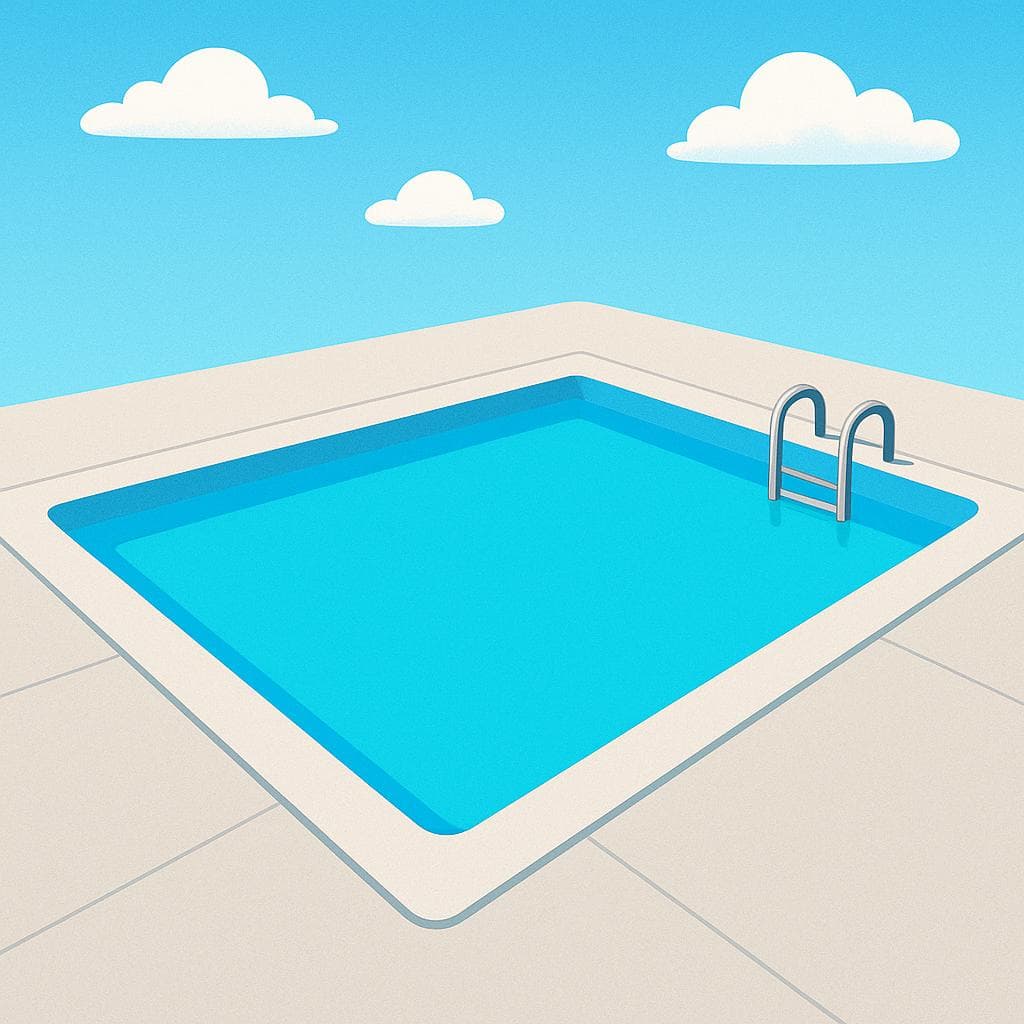
Use 'piscina' for a place specifically designed for swimming.
Learn more →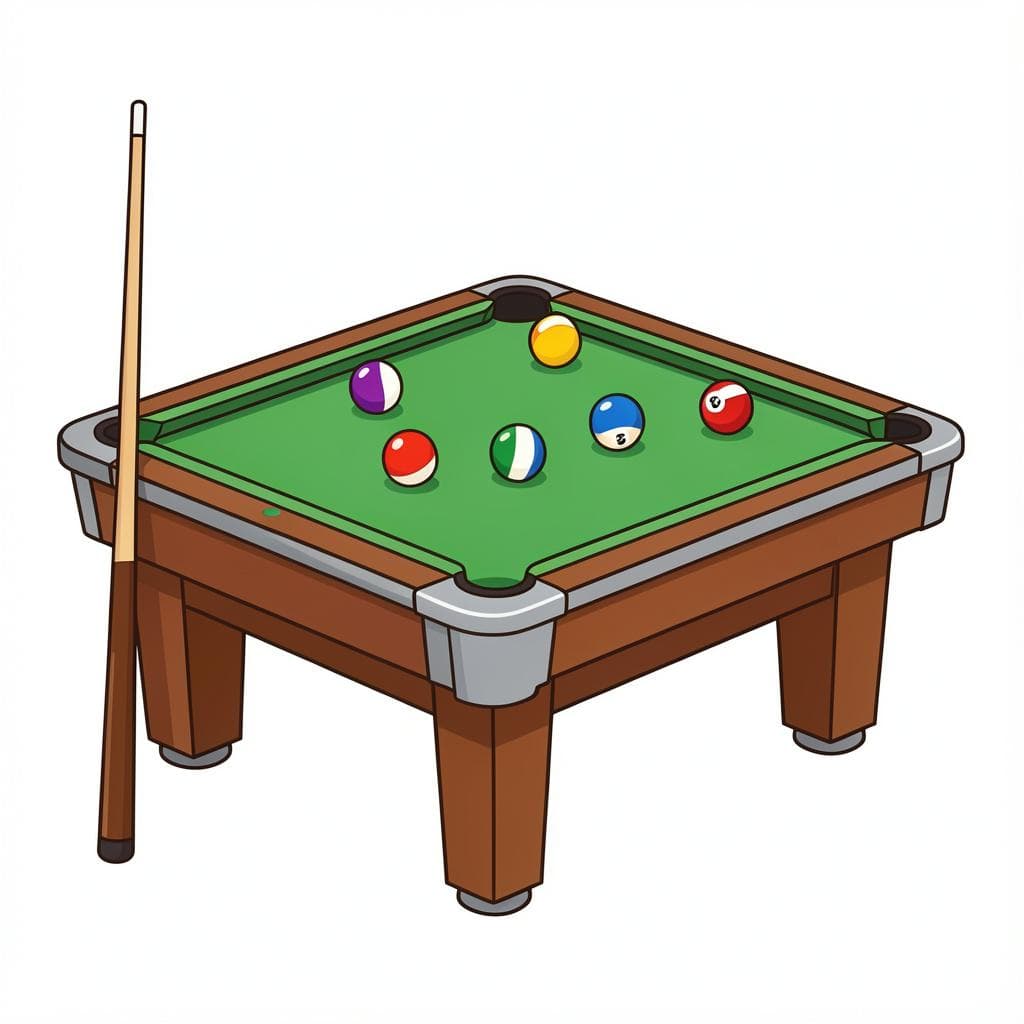
Use 'billar' when referring to the game played with a cue ball and other balls on a table with pockets.
Learn more →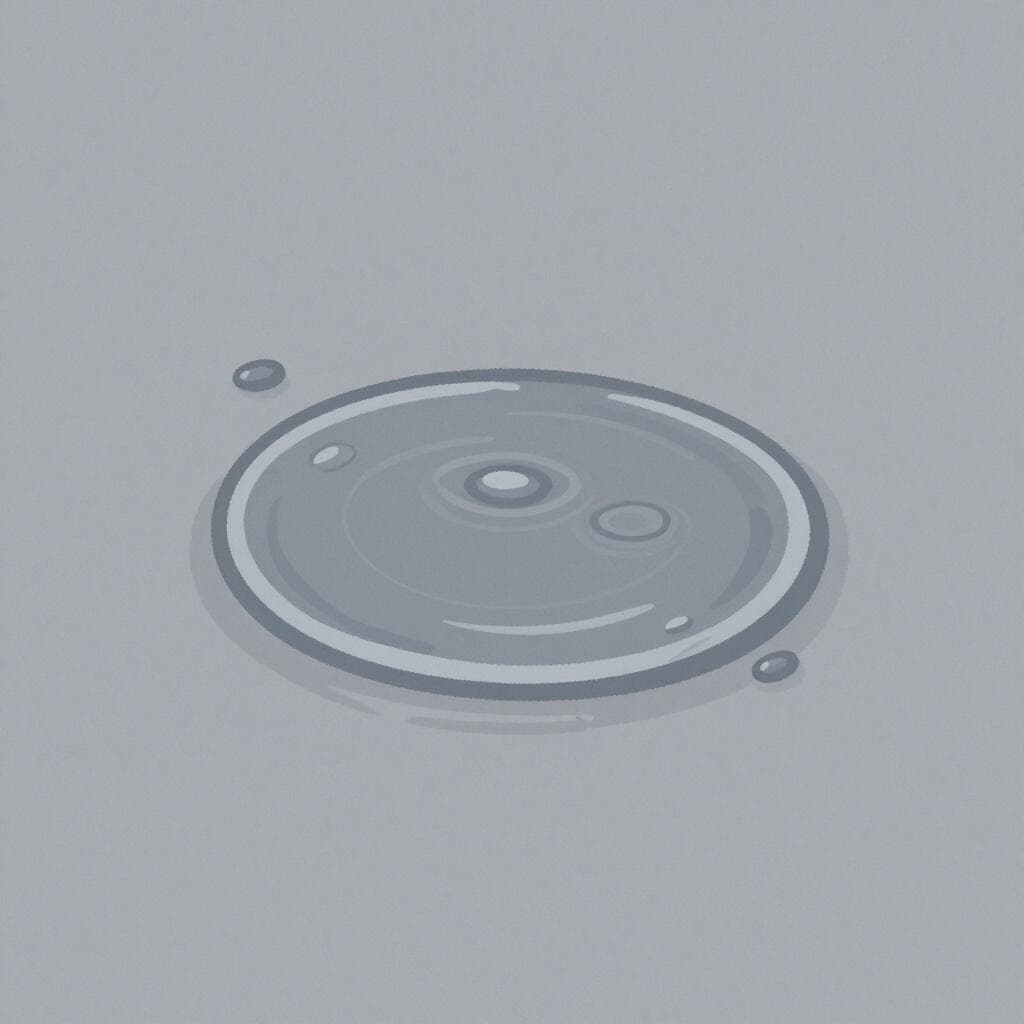
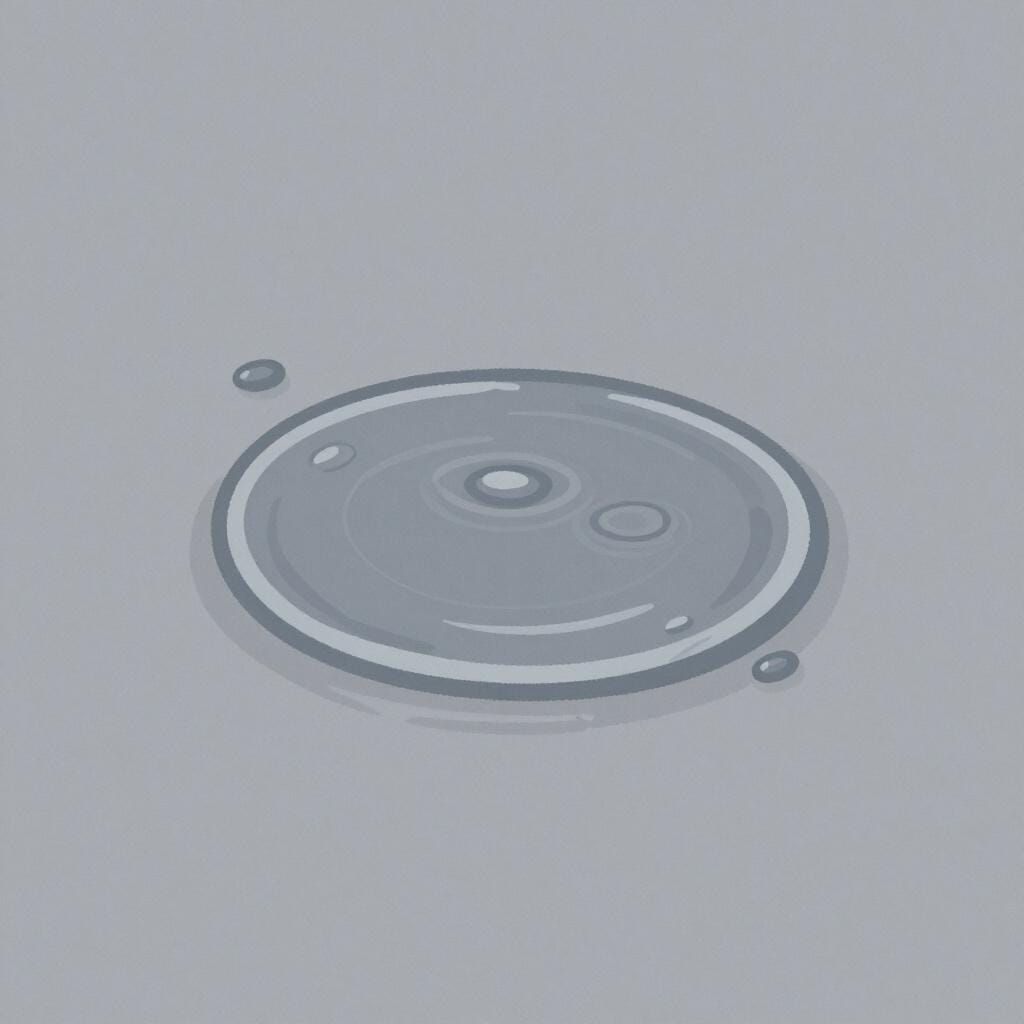
Use 'charco' for a small, often temporary, collection of liquid, especially water, on a surface like the ground.
Learn more →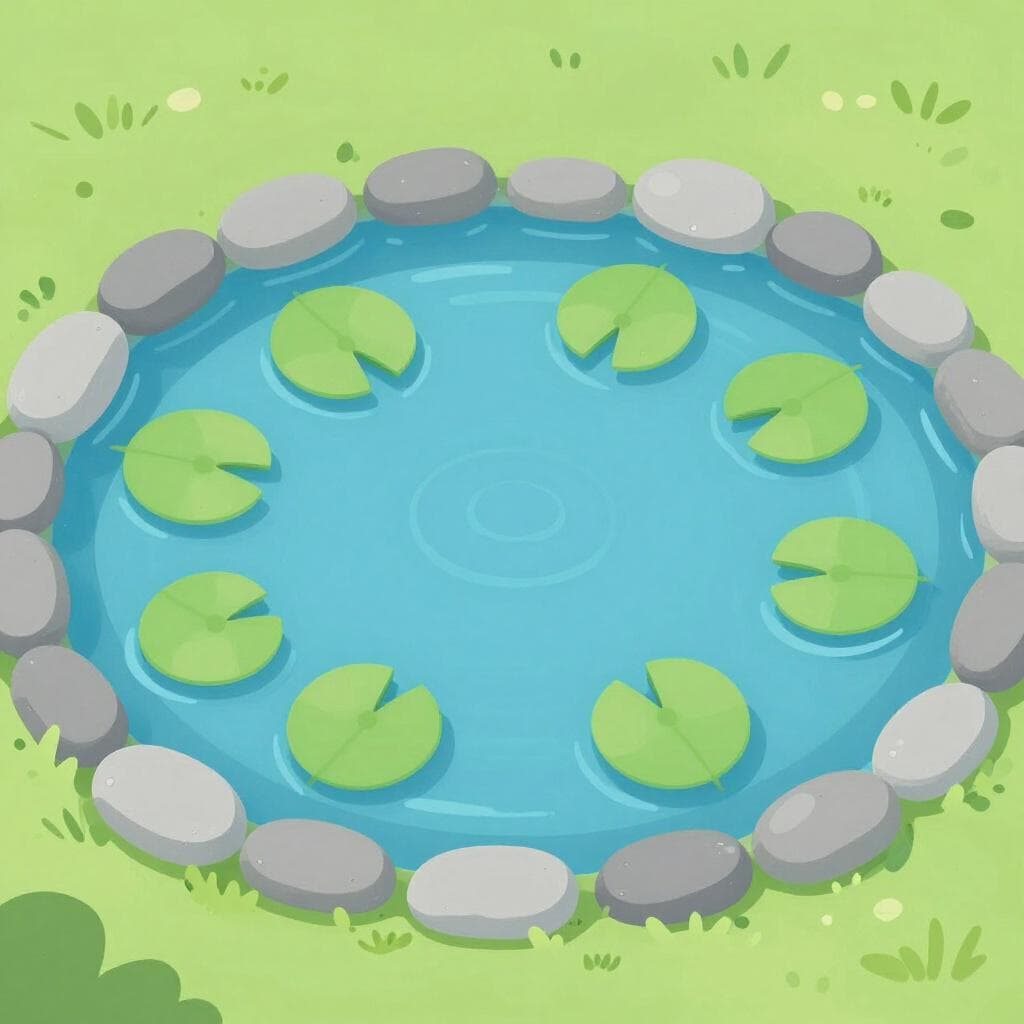
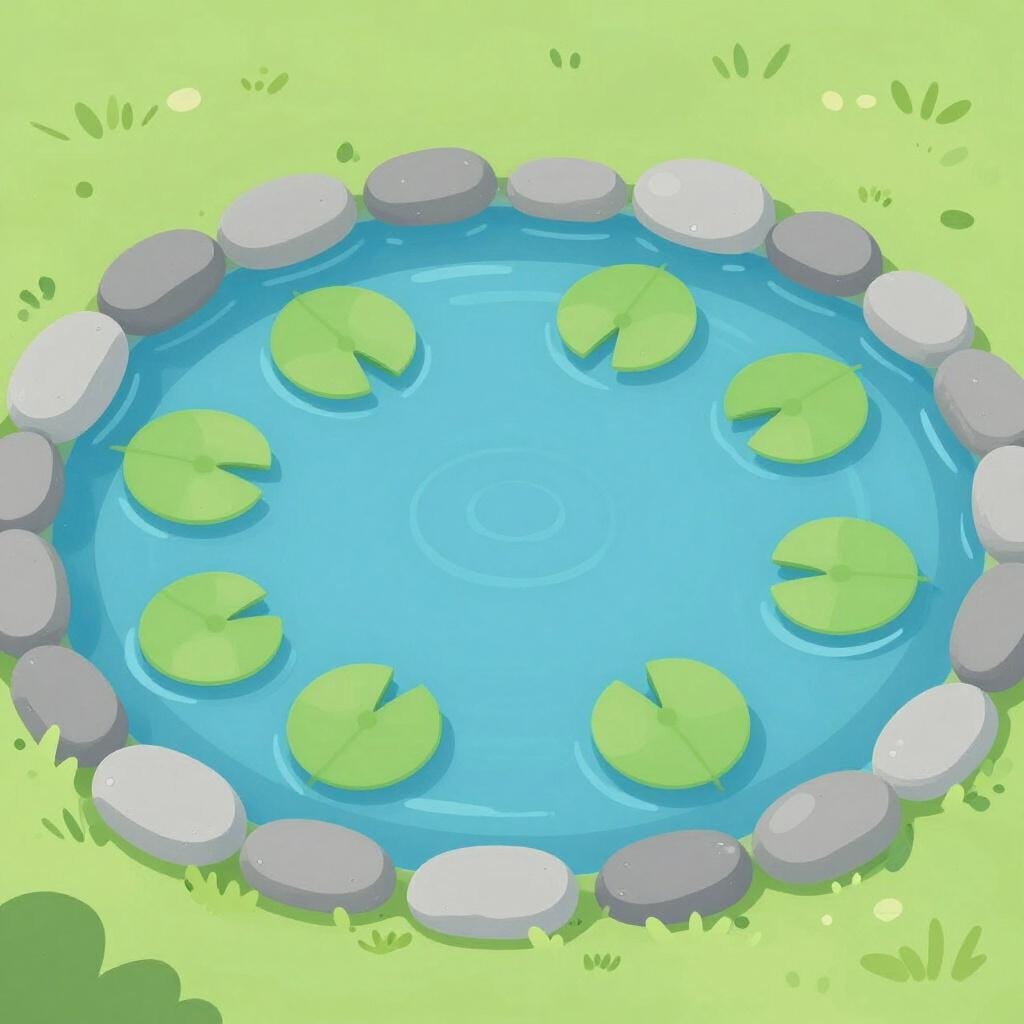
Use 'estanque' for a decorative, often artificial, body of water, typically found in gardens or parks.
Learn more →
Use 'balsa' for a natural or man-made pool of water, often found in rural or natural settings.
Learn more →pee-SEE-nahpiˈsi.na
Examples
Quiero ir a la piscina porque hace mucho calor.
I want to go to the pool because it's very hot.
La piscina comunitaria abre a las diez de la mañana.
The communal pool opens at ten in the morning.
Estamos buscando una casa que tenga su propia piscina privada.
We are looking for a house that has its own private pool.
Gender Alert
Remember that 'piscina' is always feminine, so you must use 'la' (the) or 'una' (a/an) before it: 'la piscina'.
Mixing up Gender
Mistake: “El piscina es grande.”
Correction: La piscina es grande. Nouns ending in -a are almost always feminine in Spanish.
bee-YARbiˈʝaɾ

Examples
Me encanta jugar al billar después de cenar.
I love playing pool after dinner.
Quedamos en el billar de la esquina a las nueve.
We're meeting at the pool hall on the corner at nine.
Ten cuidado de no rayar el paño del billar.
Be careful not to scratch the cloth of the billiard table.
Playing Games with 'Al'
In Spanish, when you play a sport or game, you usually use 'jugar al' followed by the game name. So, it's 'jugar al billar' rather than just 'jugar billar'.
Missing the 'Al'
Mistake: “Yo juego billar.”
Correction: Yo juego al billar. (Think of it as 'playing at the game'.)
char-kohˈtʃaɾko
Examples
Cuidado, hay un charco de agua en el suelo.
Careful, there is a puddle of water on the floor.
A los niños les encanta saltar en los charcos después de la lluvia.
Kids love jumping in puddles after the rain.
El mecánico vio un charco de aceite debajo del coche.
The mechanic saw a pool of oil under the car.
It's always masculine
Even though it ends in 'o', it is helpful to remember it takes masculine words like 'el' or 'un'. You say 'el charco', never 'la charca' (though 'la charca' exists, it means a larger pond).
Plural forms
To talk about more than one, simply add an 's' to the end: 'los charcos'.
Charco vs. Piscina
Mistake: “Using 'charco' to describe a swimming pool.”
Correction: Use 'piscina' for swimming; 'charco' is only for small, accidental pools of water on the ground.
es-TAHN-kayesˈtaŋke
Examples
Los niños tiran pan a los patos en el estanque.
The children throw bread to the ducks in the pond.
Mi abuelo tiene un pequeño estanque con peces de colores.
My grandfather has a small pond with goldfish.
El agua del estanque está muy limpia este año.
The water in the reservoir is very clean this year.
Masculine Noun Ending in -e
Even though many words ending in -e can be tricky, 'estanque' is masculine. Always use 'el' or 'un' with it.
Don't confuse with 'Estanco'
Mistake: “Using 'estanque' to mean a tobacco shop.”
Correction: In Spain, a tobacco shop is an 'estanco'. An 'estanque' is only for water!
BAHL-sahˈbalsa

Examples
Las vacas beben agua de la balsa al final del prado.
The cows drink water from the pond at the end of the meadow.
El agricultor construyó una balsa para almacenar agua de riego.
The farmer built a basin to store irrigation water.
Se formó una balsa de agua en la carretera después de la tormenta.
A pool of water formed on the road after the storm.
Quantity vs Location
When 'balsa' means pond/pool, it usually refers to the container or the site where water gathers, rather than the water itself.
Puddle vs Pond
Mistake: “Using 'balsa' for a tiny puddle from rain.”
Correction: Use 'charco' for a small rain puddle. 'Balsa' implies a much larger, deeper gathering of water, often one that is permanent or man-made.
Pool vs. Pond vs. Puddle
The most common mistake is confusing 'charco' (puddle), 'estanque' (decorative pond), and 'balsa' (natural pond). Remember that 'charco' is usually small and temporary, while 'estanque' and 'balsa' refer to more permanent bodies of water, with 'estanque' often being ornamental.
Related Translations
Learn Spanish with Inklingo
Interactive stories, personalized learning, and more.