balsa
“balsa” means “raft” in Spanish. It has 2 different meanings depending on context:
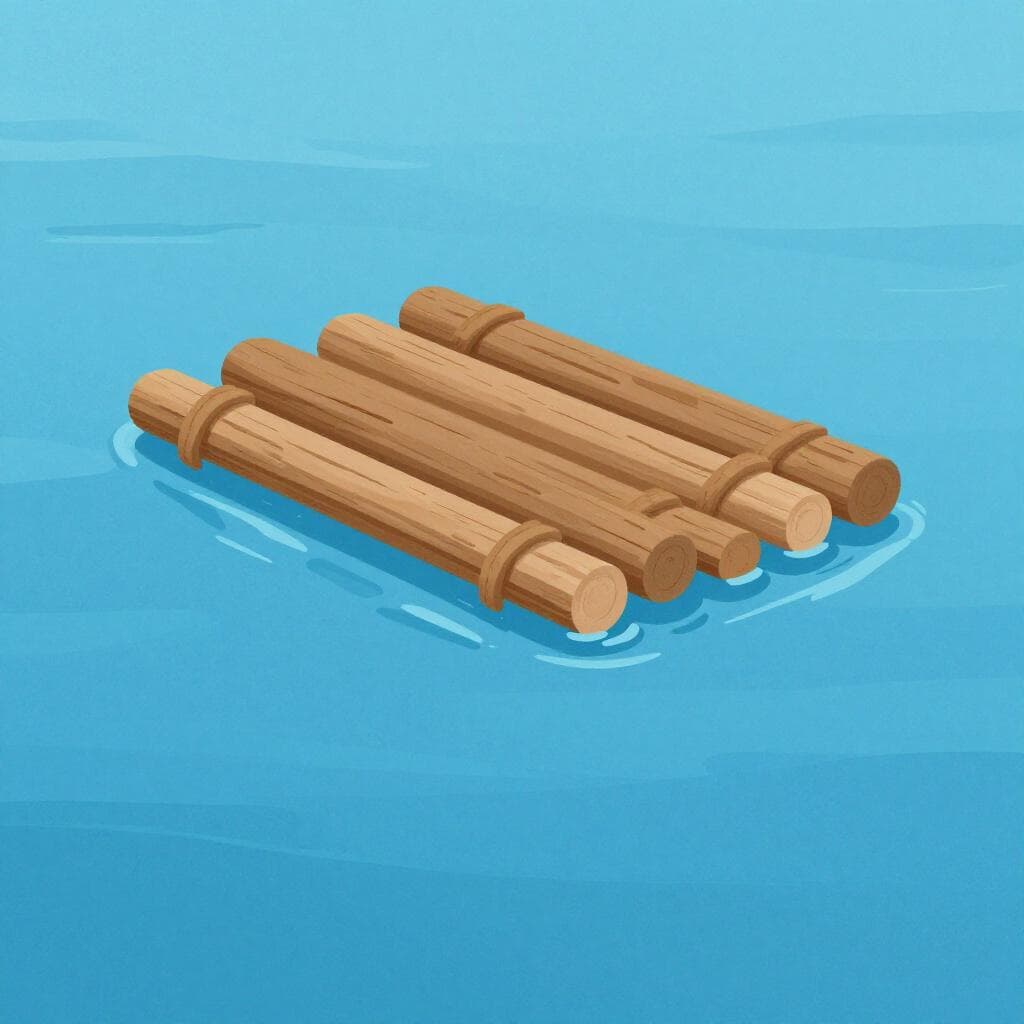

raft
Also: ferry, lifeboat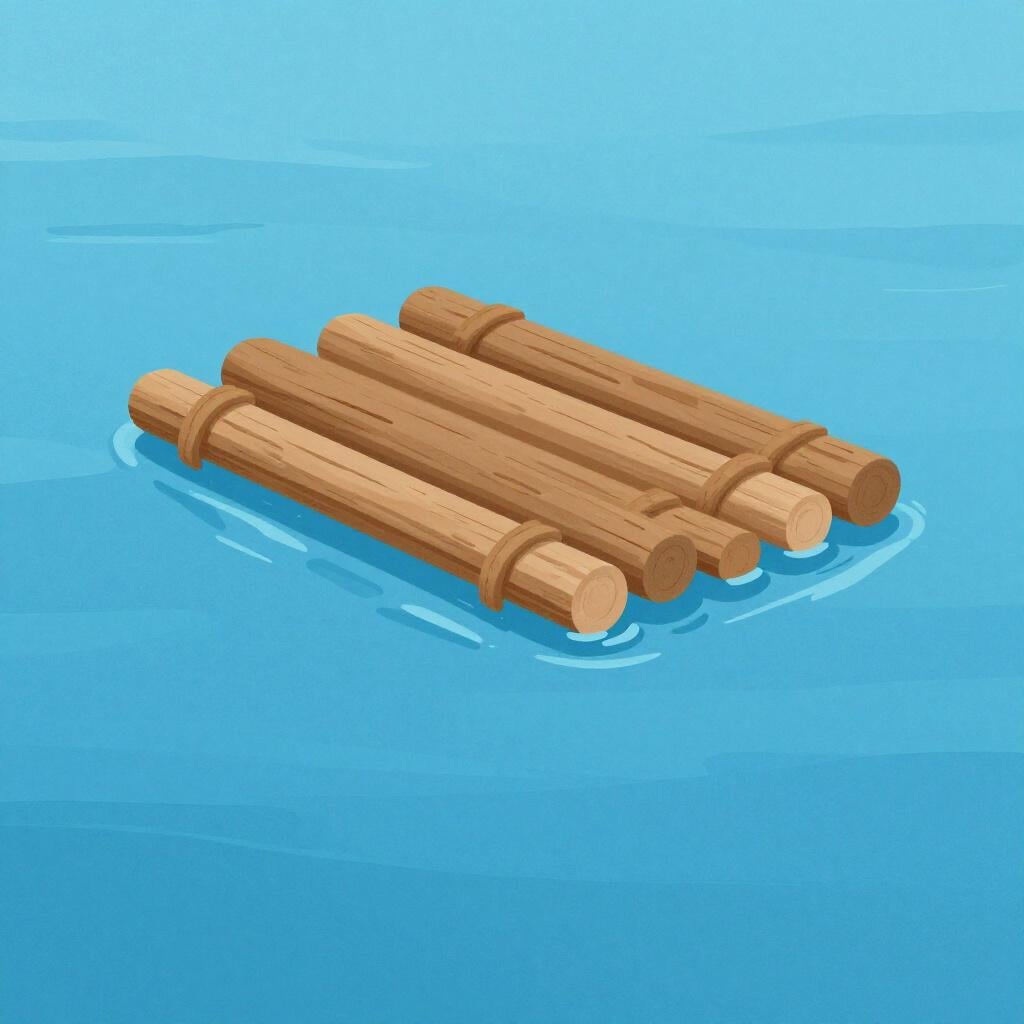
📝 In Action
Hicimos una balsa con troncos de madera para cruzar el río.
A2We made a raft with wooden logs to cross the river.
El barco tenía suficientes balsas salvavidas para todos los pasajeros.
B1The ship had enough life rafts for all the passengers.
La balsa descendió por los rápidos con mucha velocidad.
B2The raft went down the rapids very quickly.
pond, basin
Also: pool
📝 In Action
Las vacas beben agua de la balsa al final del prado.
B1The cows drink water from the pond at the end of the meadow.
El agricultor construyó una balsa para almacenar agua de riego.
B2The farmer built a basin to store irrigation water.
Se formó una balsa de agua en la carretera después de la tormenta.
C1A pool of water formed on the road after the storm.
✏️ Quick Practice
Quick Quiz: balsa
Question 1 of 3
If the sea is 'como una balsa de aceite', what does it look like?
📚 More Resources
👥 Word Family▼
📚 Etymology▼
Derived from a pre-Roman Iberian word meaning 'pool' or 'marshy ground,' which later expanded to include the vessels used to navigate such waters.
First recorded: 13th century
Cognates (Related words)
💡 Master Spanish
Take your Spanish to the next level. Read 200+ illustrated and narrated Spanish stories tailored to your level with the Inklingo app!
Frequently Asked Questions
Is 'balsa' the same as 'madera de balsa' (balsa wood)?
Yes and no. 'Balsa' is the name of the tree and the wood, but in everyday conversation, if you just say 'la balsa,' people will think of a raft. To talk about the material, it is better to say 'madera de balsa'.
Is 'balsa' used for swimming pools?
Generally, no. For a swimming pool, use 'piscina'. A 'balsa' is more for storage, animals, or nature.
Can I use 'balsa' to describe a small boat with an engine?
Not really. A 'balsa' is specifically a flat structure, usually without a hull or engine. If it has a motor and a shape, use 'lancha' or 'bote'.