How to Say "pond" in Spanish
The most common Spanish word for “pond” is “estanque” — use 'estanque' for a general, small, and typically man-made or well-defined body of still water, often found in gardens or parks.
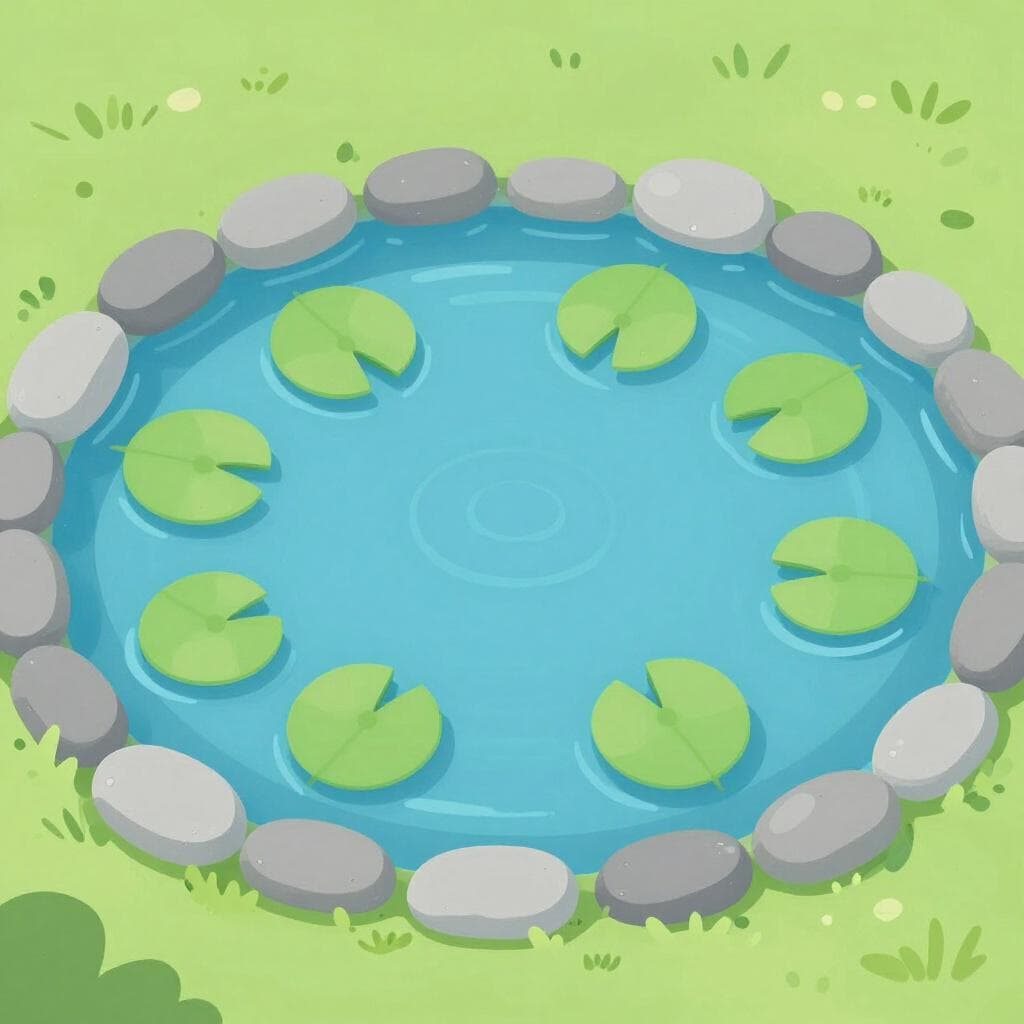

estanque
es-TAHN-kayesˈtaŋke
Examples
Los niños tiran pan a los patos en el estanque.
The children throw bread to the ducks in the pond.
Mi abuelo tiene un pequeño estanque con peces de colores.
My grandfather has a small pond with goldfish.
El agua del estanque está muy limpia este año.
The water in the reservoir is very clean this year.
Masculine Noun Ending in -e
Even though many words ending in -e can be tricky, 'estanque' is masculine. Always use 'el' or 'un' with it.
Don't confuse with 'Estanco'
Mistake: “Using 'estanque' to mean a tobacco shop.”
Correction: In Spain, a tobacco shop is an 'estanco'. An 'estanque' is only for water!
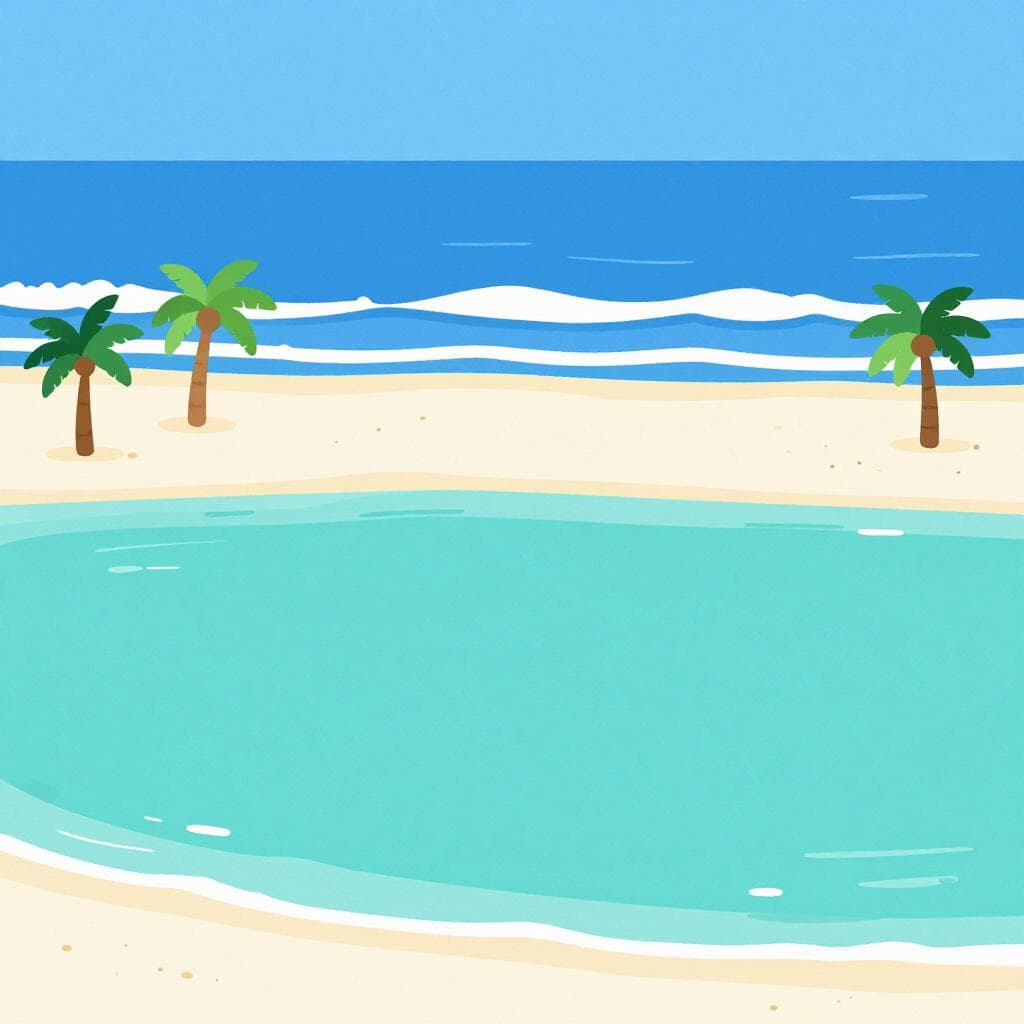
laguna
lah-GOO-nahlaˈɡuna

Examples
La laguna tiene agua muy clara.
The lagoon has very clear water.
Muchos flamencos viven en esta laguna salada.
Many flamingos live in this salt lagoon.
Fuimos a caminar alrededor de la laguna por la tarde.
We went for a walk around the small lake in the afternoon.
Feminine Noun Patterns
Like most words ending in 'a', laguna is feminine. You should always use feminine markers like 'la', 'una', or 'esta' with it.
Describing the Water
When describing the water in a laguna, the adjective comes after the noun, such as 'laguna azul' (blue lagoon).
Laguna vs. Lago
Mistake: “Using 'lago' for every body of water.”
Correction: Use 'laguna' for smaller, shallower bodies of water, or those specifically separated from the ocean by reefs or sandbars.
balsa
BAHL-sahˈbalsa

Examples
Las vacas beben agua de la balsa al final del prado.
The cows drink water from the pond at the end of the meadow.
El agricultor construyó una balsa para almacenar agua de riego.
The farmer built a basin to store irrigation water.
Se formó una balsa de agua en la carretera después de la tormenta.
A pool of water formed on the road after the storm.
Quantity vs Location
When 'balsa' means pond/pool, it usually refers to the container or the site where water gathers, rather than the water itself.
Puddle vs Pond
Mistake: “Using 'balsa' for a tiny puddle from rain.”
Correction: Use 'charco' for a small rain puddle. 'Balsa' implies a much larger, deeper gathering of water, often one that is permanent or man-made.
Estanque vs. Laguna
Learn Spanish with Inklingo
Interactive stories, personalized learning, and more.