estanque
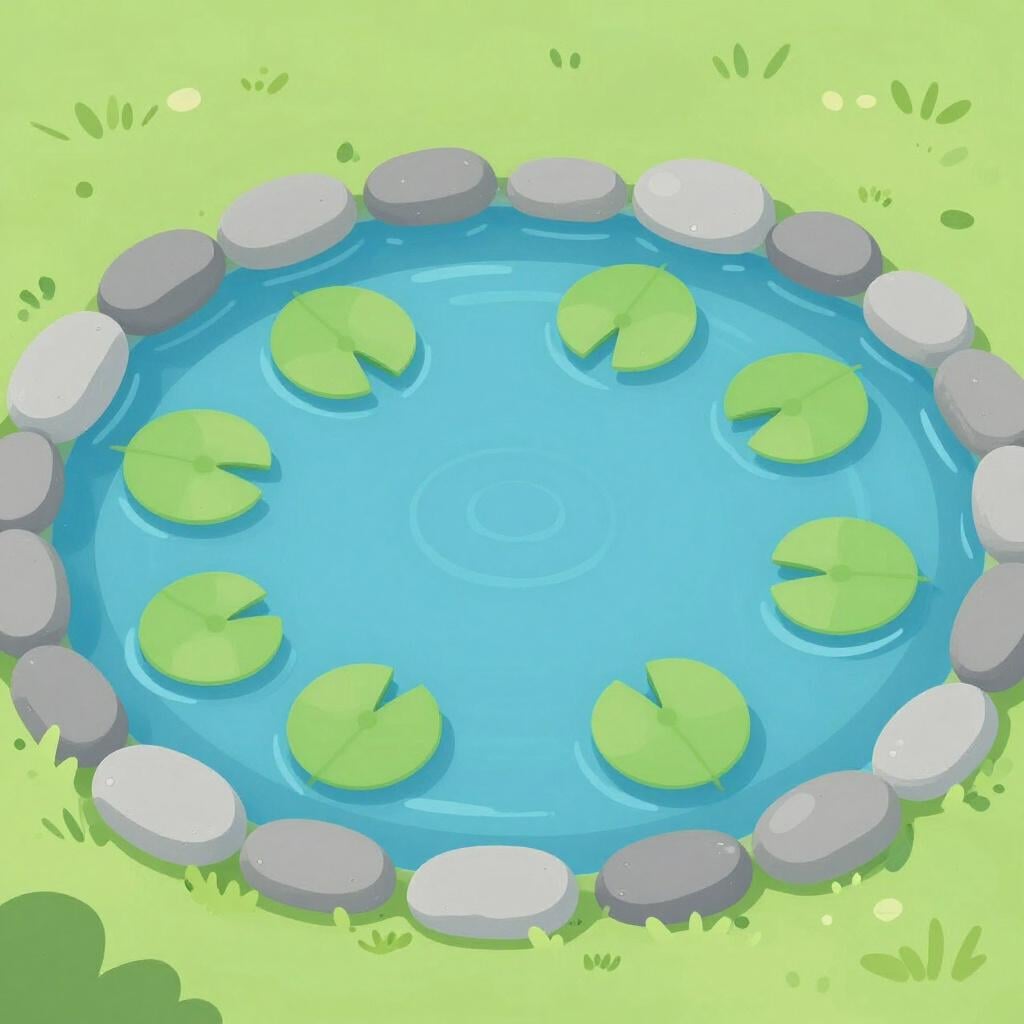
“estanque” means “pond” in Spanish (a small body of still water).
pondAlso: reservoir, pool
📝 In Action
Los niños tiran pan a los patos en el estanque.
A1The children throw bread to the ducks in the pond.
Mi abuelo tiene un pequeño estanque con peces de colores.
A2My grandfather has a small pond with goldfish.
El agua del estanque está muy limpia este año.
B1The water in the reservoir is very clean this year.
Word Connections
✏️ Quick Practice
Quick Quiz: estanque
Question 1 of 1
What is the main difference between a 'río' and an 'estanque'?
📚 More Resources
👥 Word Family
📚 Etymology
Comes from the verb 'estancar', which means to stop or block something. It originally referred to water that was held back or dammed up.
First recorded: 13th century
Cognates (Related words)
💡 Master Spanish
Take your Spanish to the next level. Read 200+ illustrated and narrated Spanish stories tailored to your level with the Inklingo app!
Frequently Asked Questions
Is an 'estanque' always man-made?
Not necessarily, though it often refers to decorative or functional ponds in parks and gardens. It can also describe small, natural bodies of still water.
What is the difference between 'lago' and 'estanque'?
Size is the main factor. A 'lago' (lake) is much larger, while an 'estanque' is small enough that you can usually see across it easily.