How to Say "reservoir" in Spanish
The most common Spanish word for “reservoir” is “depósito” — use 'depósito' for a general storage space, like a storage room or a warehouse, especially for non-liquid items.
Use 'depósito' for a general storage space, like a storage room or a warehouse, especially for non-liquid items.
Learn more →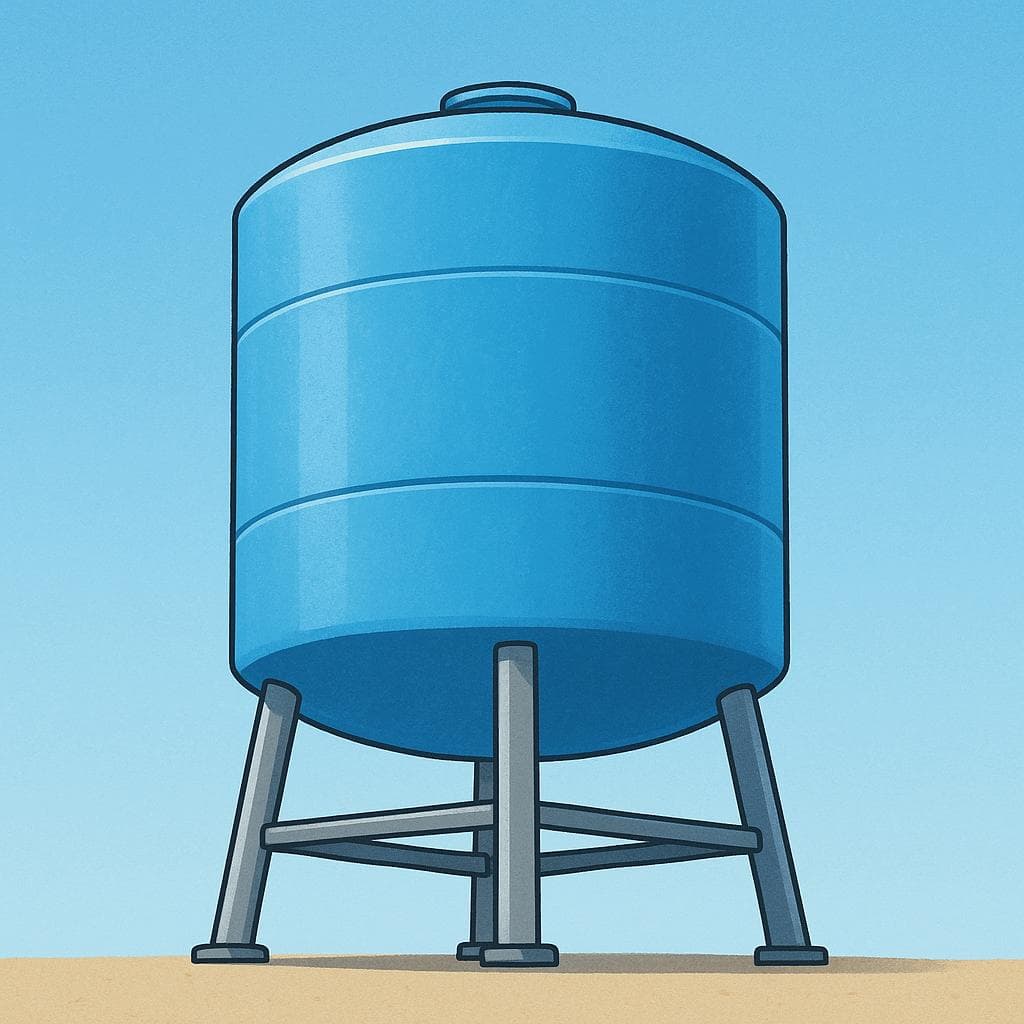
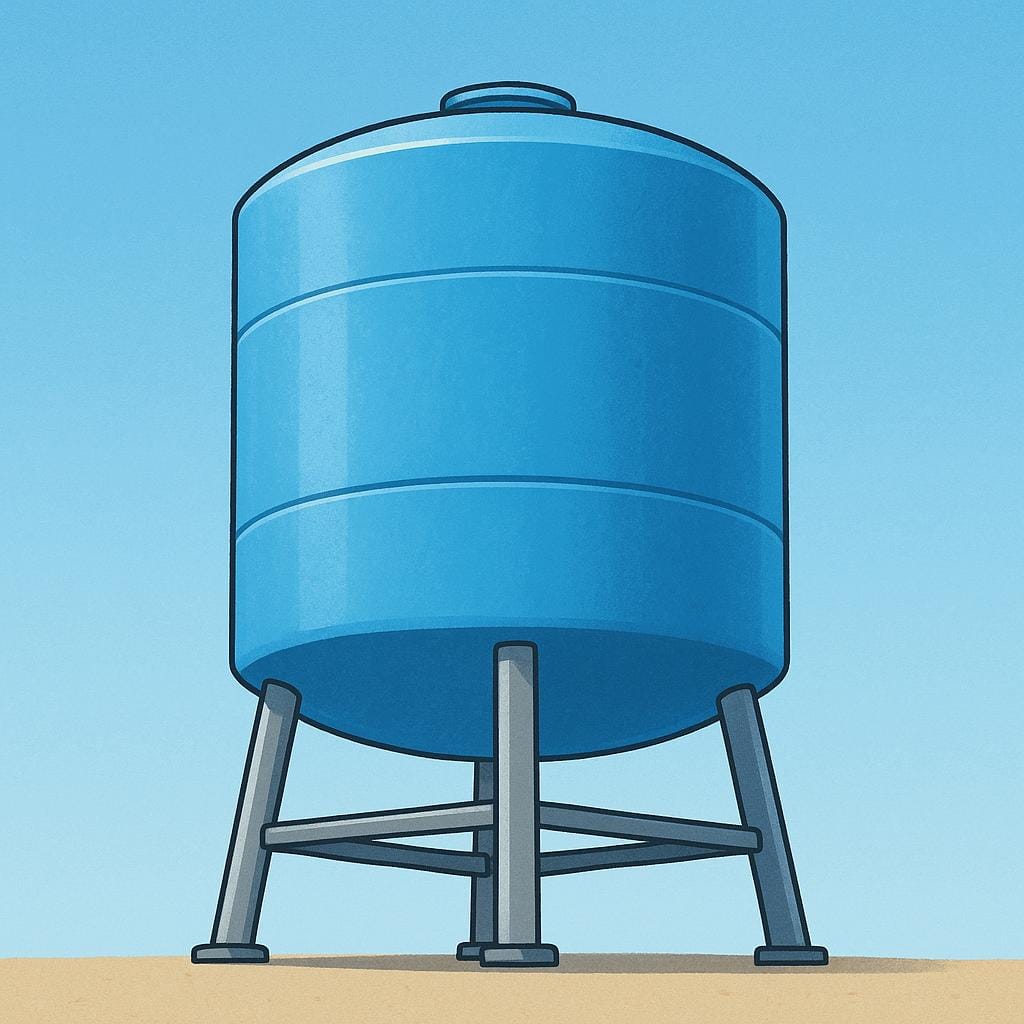
Use 'tanque' specifically for a container designed to hold a large volume of liquid or gas, such as a gas tank or water tank.
Learn more →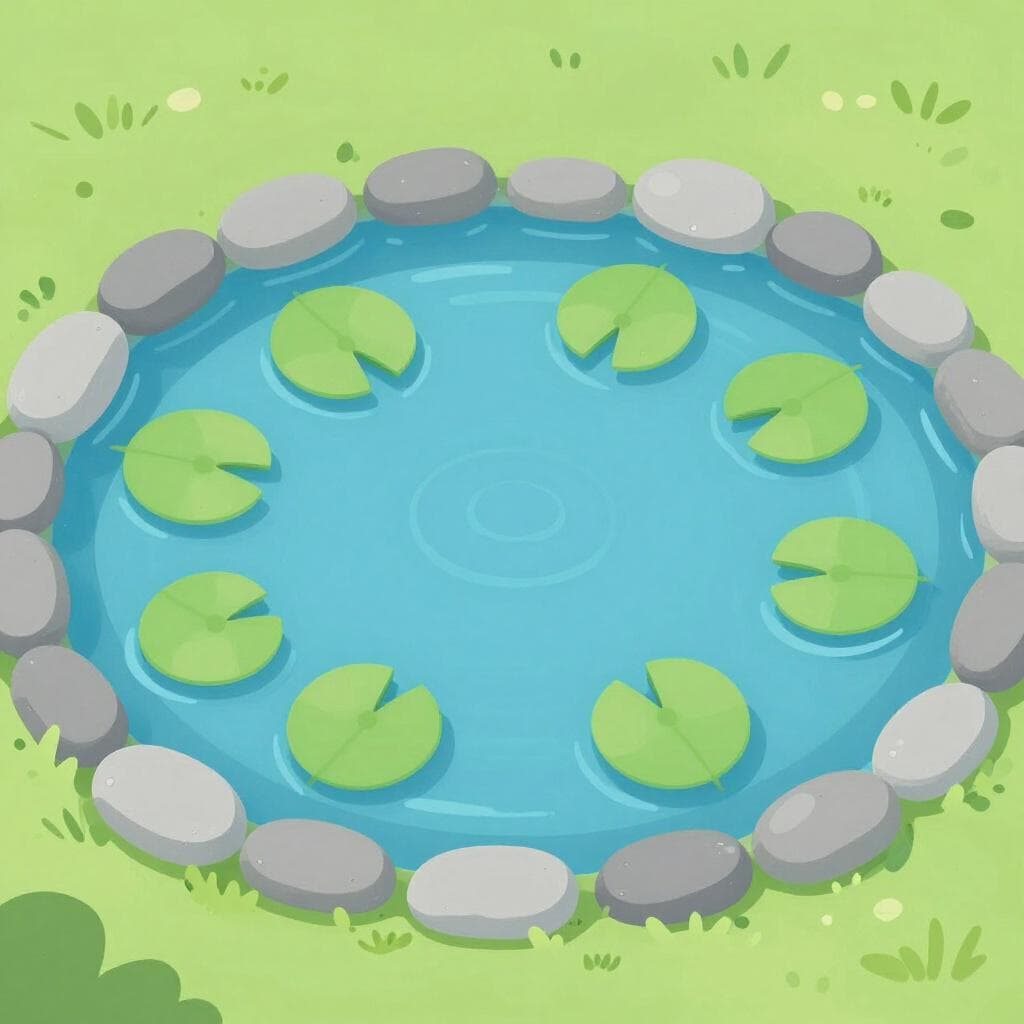
Use 'estanque' for a small, often decorative, man-made body of water, like a garden pond or a small pool.
Learn more →
Use 'pantano' for a large, artificial lake created by damming a river, typically used for water storage or hydroelectric power.
Learn more →Use 'embalse' for the body of water held back by a dam, synonymous with 'pantano' in many contexts but often preferred for the water itself.
Learn more →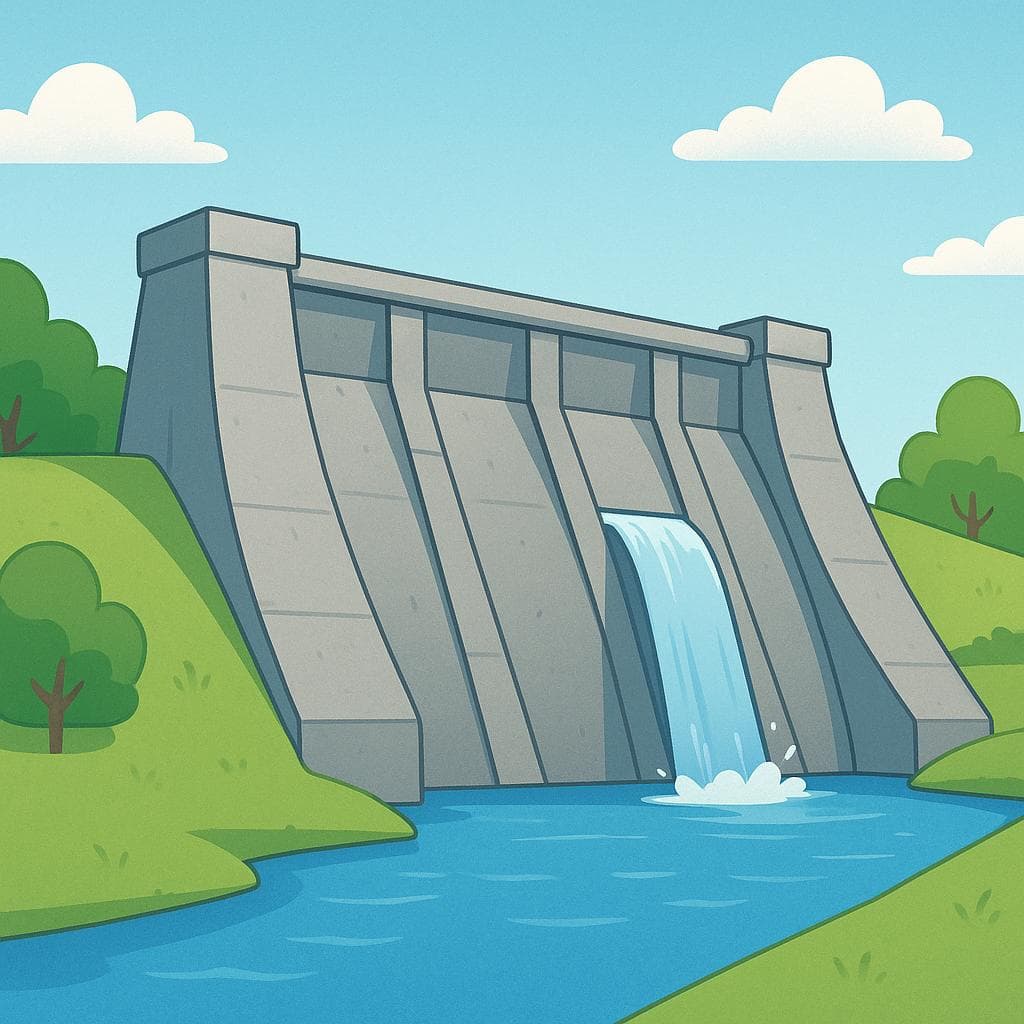
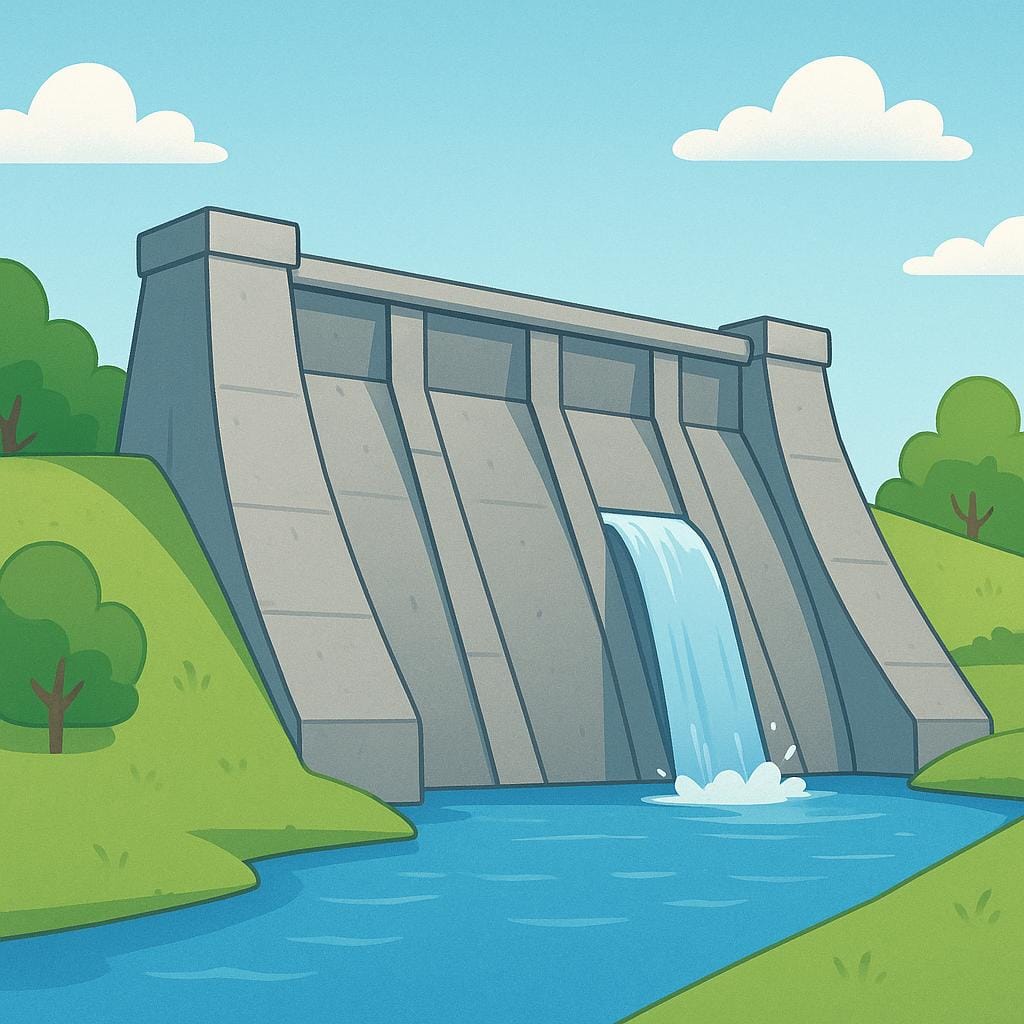
While 'presa' primarily means 'dam', it can sometimes refer to the body of water held back by the dam, though 'embalse' is more common for the water.
Learn more →depósito
Examples
Dejamos las cajas viejas en el depósito de la escuela.
We left the old boxes in the school's storage room.
TAHN-kehˈtaŋke
Examples
Necesito parar para llenar el tanque de gasolina.
I need to stop to fill the gas tank.
Revisamos el nivel del agua en el tanque.
We checked the water level in the tank.
es-TAHN-kayesˈtaŋke

Examples
Los niños tiran pan a los patos en el estanque.
The children throw bread to the ducks in the pond.
Mi abuelo tiene un pequeño estanque con peces de colores.
My grandfather has a small pond with goldfish.
El agua del estanque está muy limpia este año.
The water in the reservoir is very clean this year.
Masculine Noun Ending in -e
Even though many words ending in -e can be tricky, 'estanque' is masculine. Always use 'el' or 'un' with it.
Don't confuse with 'Estanco'
Mistake: “Using 'estanque' to mean a tobacco shop.”
Correction: In Spain, a tobacco shop is an 'estanco'. An 'estanque' is only for water!
pan-TAH-nohpanˈtano

Examples
Fuimos a pescar al pantano que está cerca del pueblo.
We went fishing at the reservoir near the town.
El nivel del pantano ha bajado mucho por la sequía.
The reservoir level has dropped a lot due to the drought.
Double Meaning Alert
In Spain, 'pantano' often means a large, man-made lake used to store water. Pay attention to the context to know if they mean a natural swamp or a reservoir.
embalse
Examples
El nivel del embalse ha bajado considerablemente este verano.
The level of the reservoir has dropped considerably this summer.
PREH-sahˈpɾe.sa
Examples
La construcción de la presa cambió el ecosistema del valle.
The construction of the dam changed the valley's ecosystem.
Tuvimos que cruzar la presa para llegar al otro lado del río.
We had to cross the dam to get to the other side of the river.
Confusing Water Storage Terms
Learners often confuse 'pantano', 'embalse', and 'presa' when referring to large bodies of water created by dams. Remember that 'pantano' and 'embalse' refer to the artificial lake itself, while 'presa' is the dam structure. For general storage or tanks, 'depósito' and 'tanque' are the correct choices.
Related Translations
Learn Spanish with Inklingo
Interactive stories, personalized learning, and more.