How to Say "powers" in Spanish
The most common Spanish word for “powers” is “poderes” — use 'poderes' when referring to the authority, rights, or official capacities granted to a person or institution, such as the branches of government.

poderes
po-DEH-respoˈðeɾes

Examples
El presidente tiene poderes especiales durante la emergencia nacional.
The president has special powers during the national emergency.
Los tres poderes del Estado son el ejecutivo, el legislativo y el judicial.
The three branches (powers) of the State are the executive, the legislative, and the judicial.
El presidente tiene amplios poderes para tomar decisiones rápidas.
The president has ample powers to make quick decisions.
Always Plural
Remember that 'poderes' is the plural form of 'poder' (power/authority). It is always masculine and requires masculine plural articles (los, unos).
alimenta
ah-lee-MEN-tahaliˈmenta
Examples
La energía solar alimenta la casa.
Solar energy powers the house.
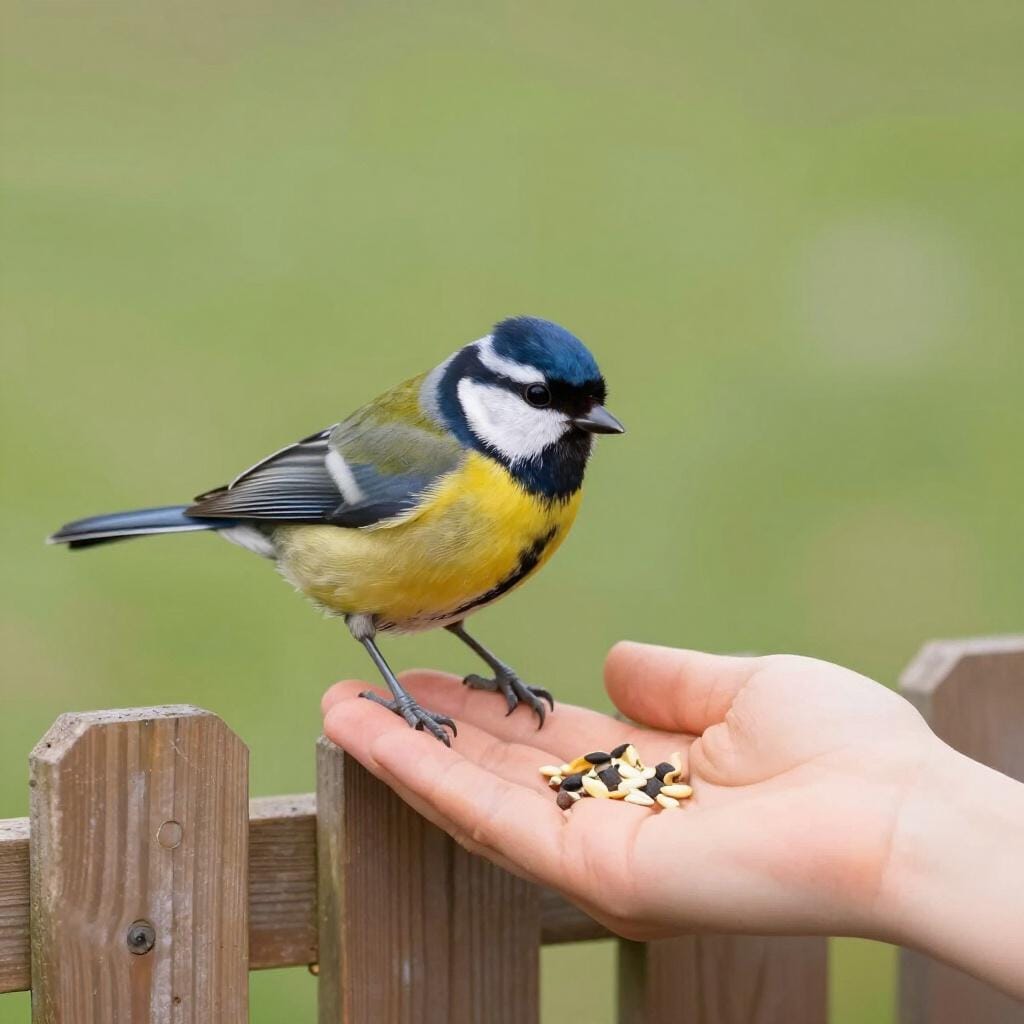
Ella alimenta a los pájaros en el parque.
She feeds the birds in the park.
Esta batería alimenta todo el sistema.
This battery powers the whole system.
Su actitud alimenta el conflicto.
His attitude fuels the conflict.
One word, two roles
'Alimenta' can be a statement ('He feeds') or a direct command to a friend ('Feed!'). Context tells you which is which.
Using 'Se'
When talking about what an animal eats as a habit, we say 'se alimenta de' (it feeds on) instead of just 'come' (it eats).
Feed a Person vs. Feed a Feeling
Mistake: “Only using it for food.”
Correction: Use it for batteries, power, and emotions too! It's much broader than just 'eating'.
Authority vs. Energy
Related Translations
Learn Spanish with Inklingo
Interactive stories, personalized learning, and more.