How to Say "prepared" in Spanish
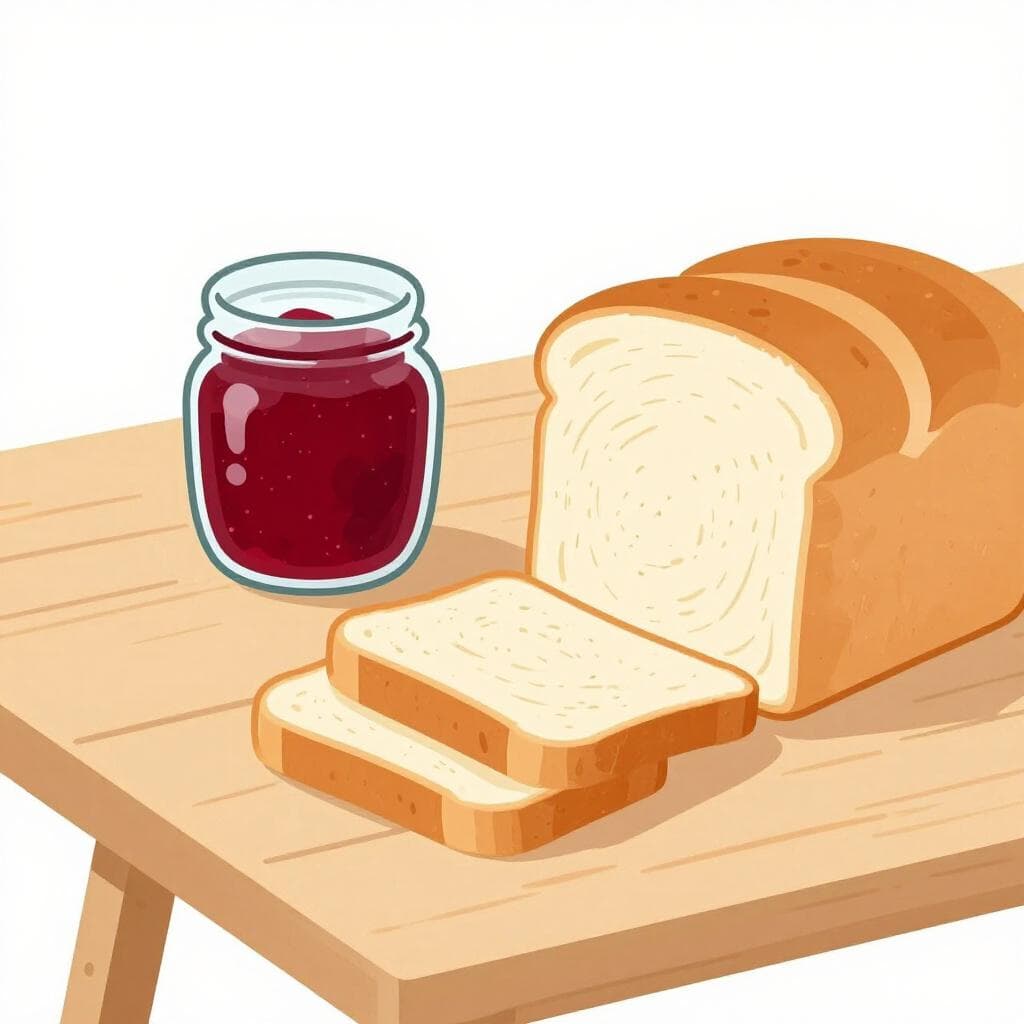
The most common Spanish word for “prepared” is “preparado” — use 'preparado' when referring to someone or something being ready after making arrangements or taking action to be ready for a specific event or situation.



preparado
preh-pah-RAH-dohpɾepaˈɾaðo

Examples
¿Estás preparado para salir ahora mismo?
Are you ready to leave right now?
La comida ya está preparada, podemos comer.
The food is already prepared, we can eat.
Ella es una candidata muy preparada para el puesto.
She is a very qualified candidate for the position.
It Changes Form
Since 'preparado' acts like an adjective, it must change its ending to match the person or thing it describes: 'preparada' (feminine singular), 'preparados' (masculine plural), and 'preparadas' (feminine plural).
Use with Estar vs. Ser
Use 'estar preparado' (to be ready) to talk about a temporary state of readiness. Use 'ser preparado' (to be prepared/qualified) to describe a person's permanent skill or education level.
Forgetting Gender/Number Match
Mistake: “Los estudiantes está preparado.”
Correction: Los estudiantes están preparados. (The ending '-os' must match the plural masculine students.)
listo
LEES-tasˈlistas

Examples
Las pizzas ya están listas, podemos comer.
The pizzas are ready, we can eat.
Cuando las flores estén listas, las pones en el jarrón.
When the flowers are ready, put them in the vase.
¿Están listas para salir a la calle?
Are you (feminine plural) ready to go out?
Ser vs. Estar: Ready
When 'listas' means 'ready' or 'prepared,' you must use the verb 'estar' because it describes a temporary state or condition: 'Las maletas están listas'.
dispuesto
dees-POO-ess-tohdisˈpwes.to

Examples
Estoy dispuesto a ayudarte con la mudanza.
I am willing to help you with the move.
Si estás dispuesta a trabajar duro, tendrás éxito.
If you are ready to work hard, you will succeed.
Los niños estaban dispuestos para salir al recreo.
The children were ready to go out for recess.
Agreement is Essential
Like all Spanish adjectives, 'dispuesto' must match the person or thing it describes: 'dispuesto' (m. singular), 'dispuesta' (f. singular), 'dispuestos' (m. plural), 'dispuestas' (f. plural).
Using 'a' for Actions
When you say you are 'willing' to do an action, you must follow 'dispuesto' with the preposition 'a' and then the base verb form (infinitive): 'dispuesto a trabajar'.
Forgetting the Preposition
Mistake: “Estamos dispuestos ayudar.”
Correction: Estamos dispuestos *a* ayudar. (The 'a' is necessary before the action verb.)
elaborado
eh-lah-boh-RAH-dohelaβoˈɾaðo
Examples
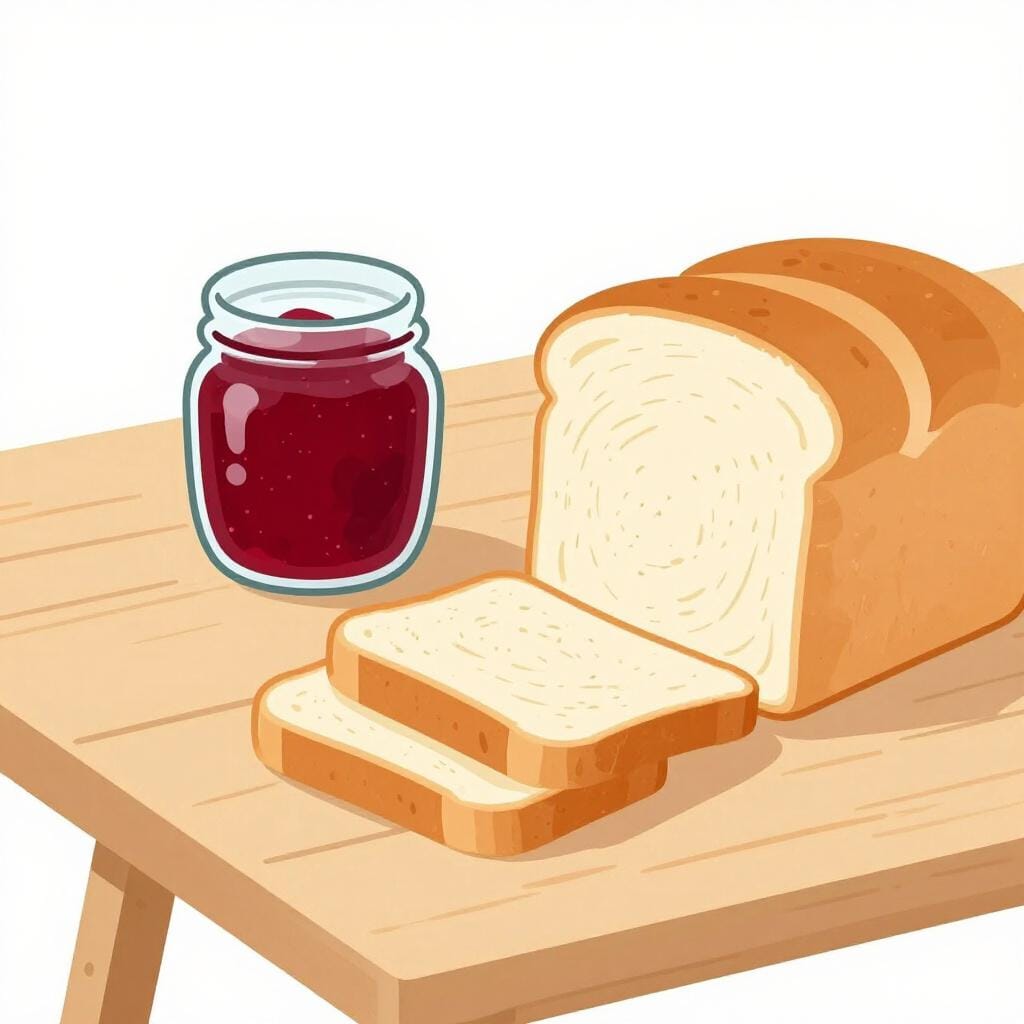
Es mejor comer frutas frescas que productos elaborados.
It's better to eat fresh fruit than processed products.
Este queso está elaborado artesanalmente.
This cheese is produced in a traditional, handmade way.
Los alimentos altamente elaborados suelen tener mucha sal.
Highly processed foods usually have a lot of salt.
Passive Descriptions
When used with 'ser' (to be), it describes how something is made (e.g., 'es elaborado con leche'). When used as a simple adjective after a noun, it describes the category of the item.
Confusing with 'Cooking'
Mistake: “He elaborado la cena.”
Correction: He cocinado la cena. 'Elaborado' sounds very industrial or formal for a simple home meal; use it for complex recipes or products.
Prepared vs. Ready
Related Translations
Learn Spanish with Inklingo
Interactive stories, personalized learning, and more.