How to Say "prodigy" in Spanish
The most common Spanish word for “prodigy” is “genio” — use 'genio' when referring to someone with exceptional intellectual or creative power, often implying innate brilliance, applicable to any age but frequently used for adults.

genio
HEH-nee-ohˈxe.njo

Examples
Einstein fue un genio de la física.
Einstein was a genius of physics.
Mi hermana es un genio con la programación; aprendió sola.
My sister is a genius at programming; she taught herself.
¡Qué genio! Se le ocurrió la solución en un minuto.
What a genius! The solution occurred to him in one minute.
Gender Note
Even when referring to a woman of genius, the noun 'genio' is usually masculine: 'Ella es un genio'.
prodigio
pro-DEE-hyohpɾoˈði.xjo
Examples
Wolfgang Amadeus Mozart fue un niño prodigio.
Wolfgang Amadeus Mozart was a child prodigy.
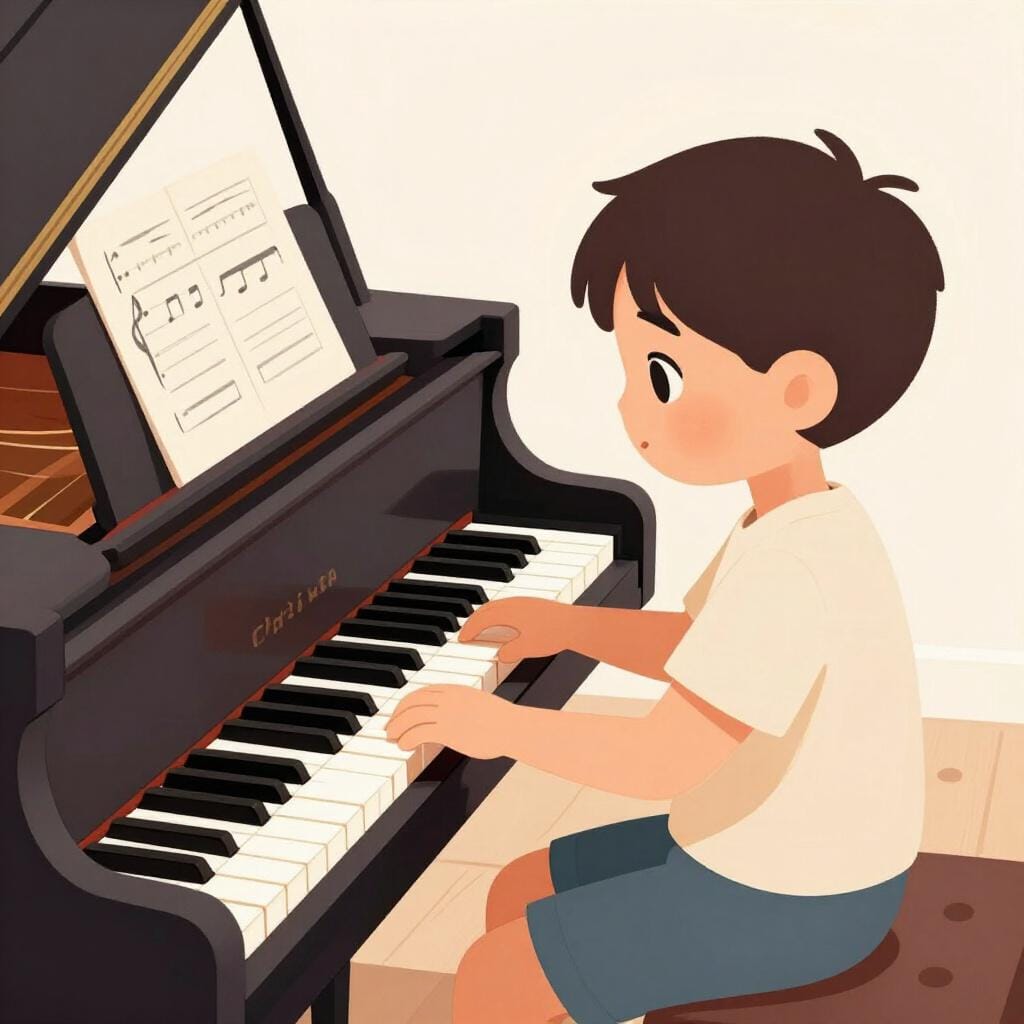
Ella es un prodigio del piano y toca en teatros desde los cinco años.
She is a piano prodigy and has been playing in theaters since she was five.
Incluso entre expertos, él destaca como un auténtico prodigio de las matemáticas.
Even among experts, he stands out as a true math prodigy.
The Gender of 'Prodigio'
Even when you are talking about a girl or a woman, the word 'prodigio' is always masculine (un prodigio). You don't change it to 'prodigia'.
Combining Two Nouns
When you see 'niño prodigio,' the second word describes the first one directly. You don't need 'de' (of) in between.
Avoid 'La Prodigia'
Mistake: “Ella es una prodigia de la música.”
Correction: Ella es un prodigio de la música. The word 'prodigio' is a fixed masculine noun in Spanish.
Genio vs. Prodigio
Related Translations
Learn Spanish with Inklingo
Interactive stories, personalized learning, and more.