How to Say "remote control" in Spanish
The most common Spanish word for “remote control” is “control” — use 'control' when referring to the physical device that operates a TV, stereo, or other electronic equipment, especially in informal contexts.
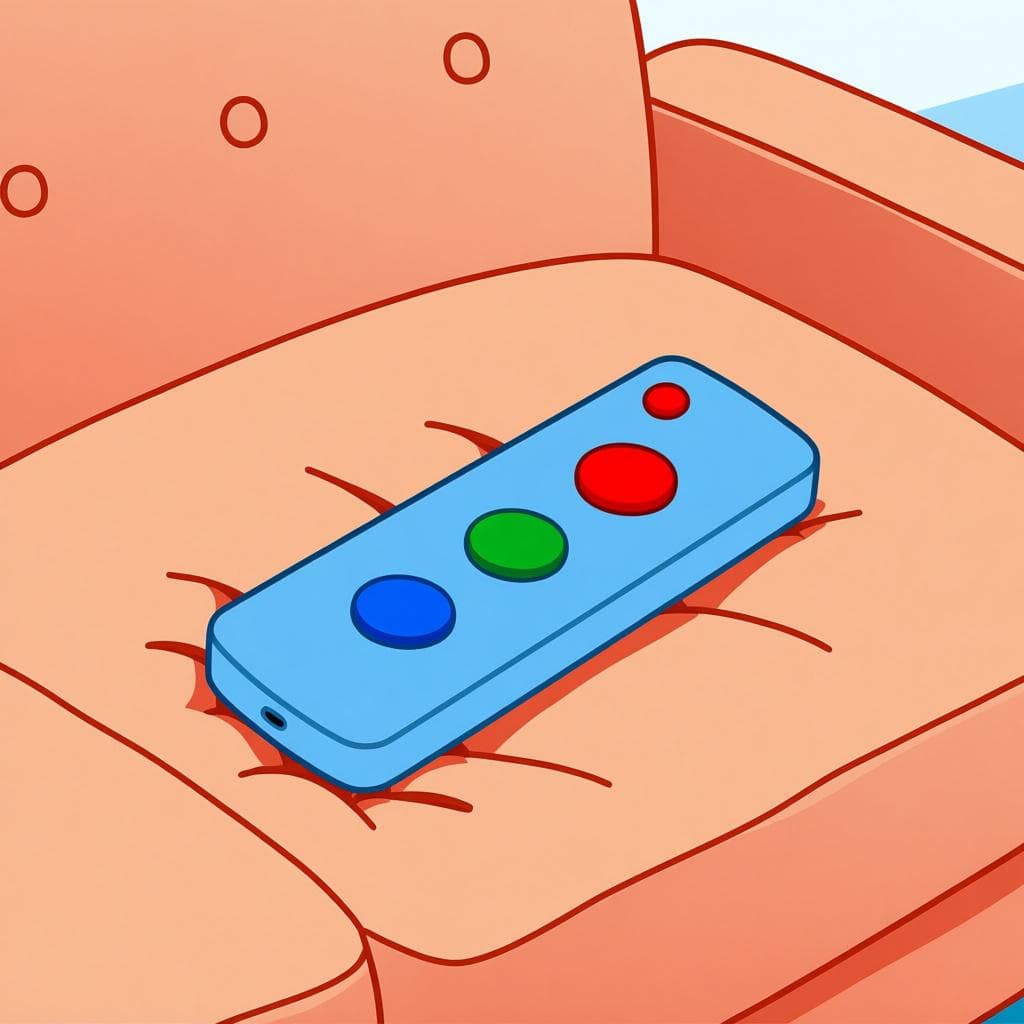
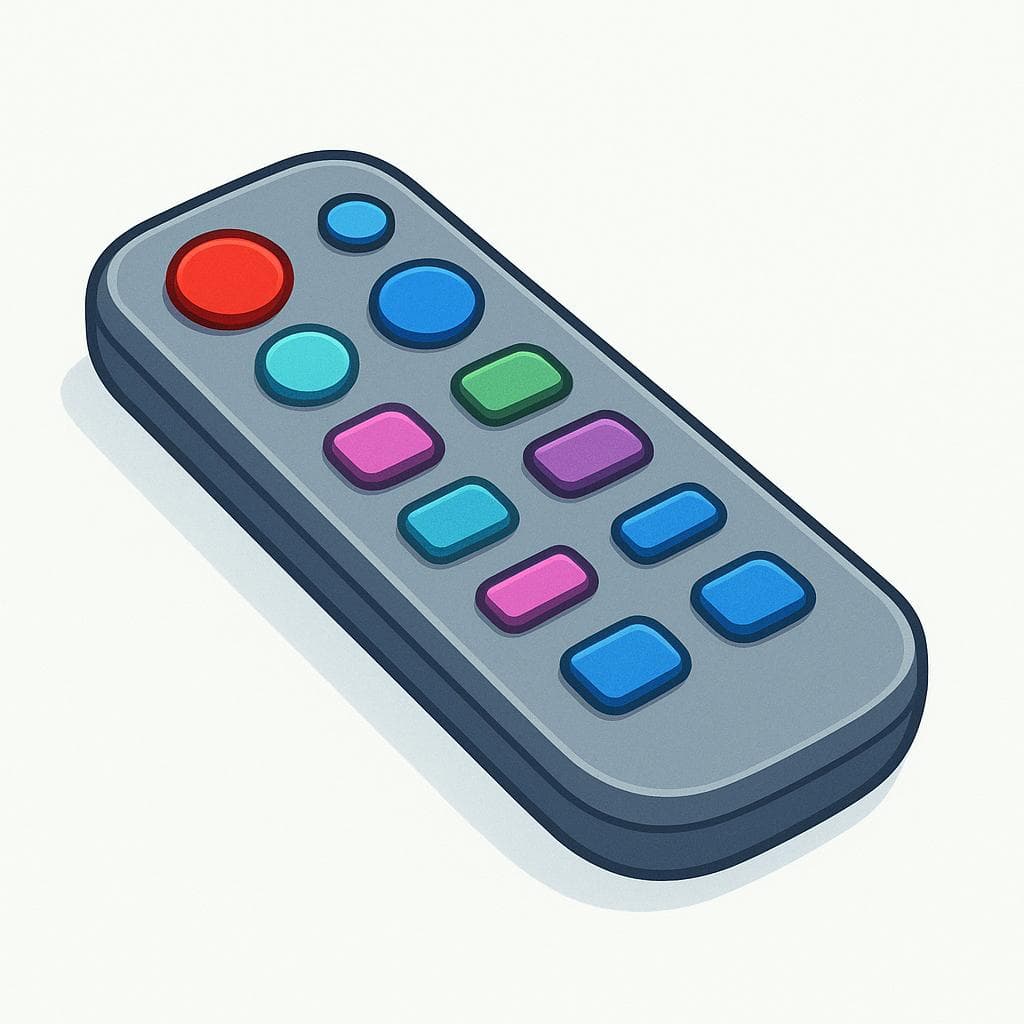
control
kon-trolkonˈtɾol
Examples
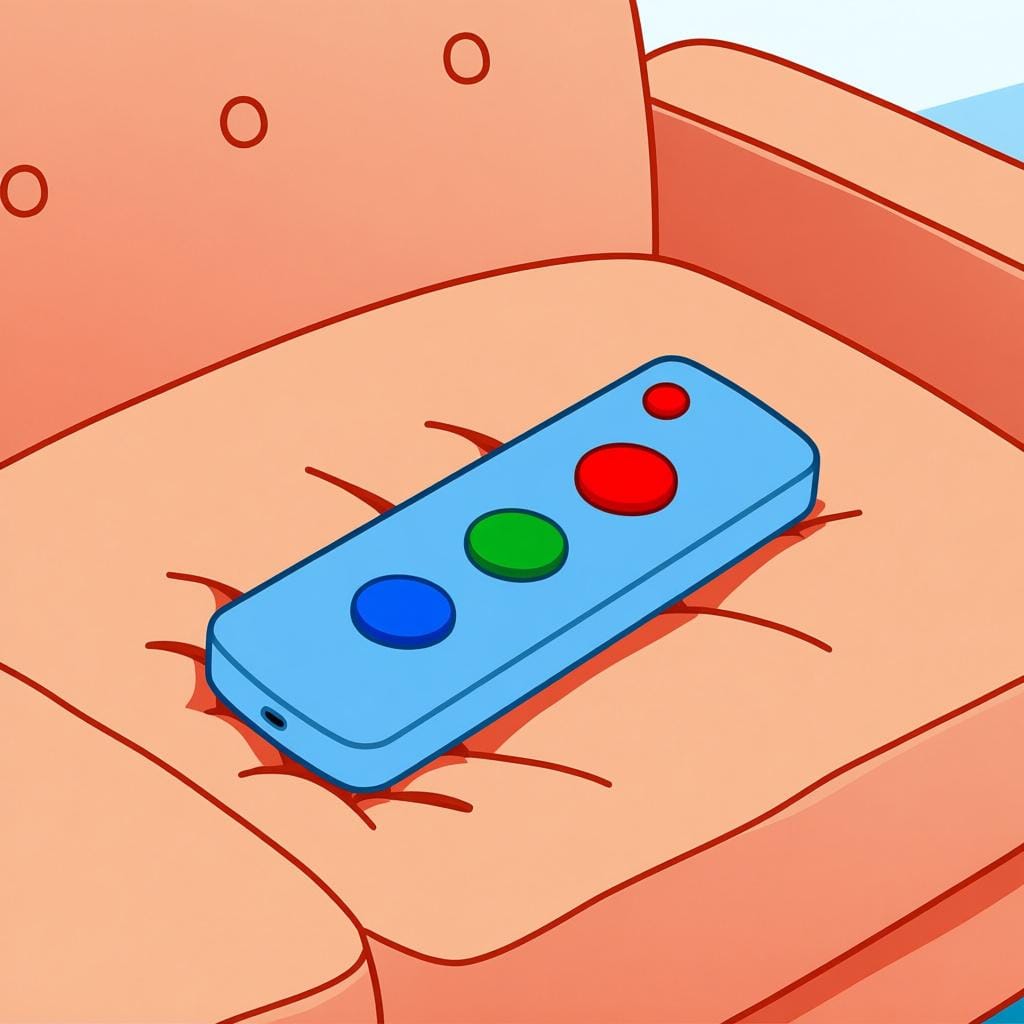
¿Me pasas el control de la tele, por favor?
Can you pass me the TV remote, please?
No encuentro el control del aire acondicionado.
I can't find the remote for the air conditioning.
Using 'Remoto'
Mistake: “Pásame el remoto.”
Correction: Pásame el control. While 'control remoto' is the full name, people almost always shorten it to just 'control', especially in Latin America. Using just 'remoto' is less common.
mando
mahn-dohˈman.do
Examples
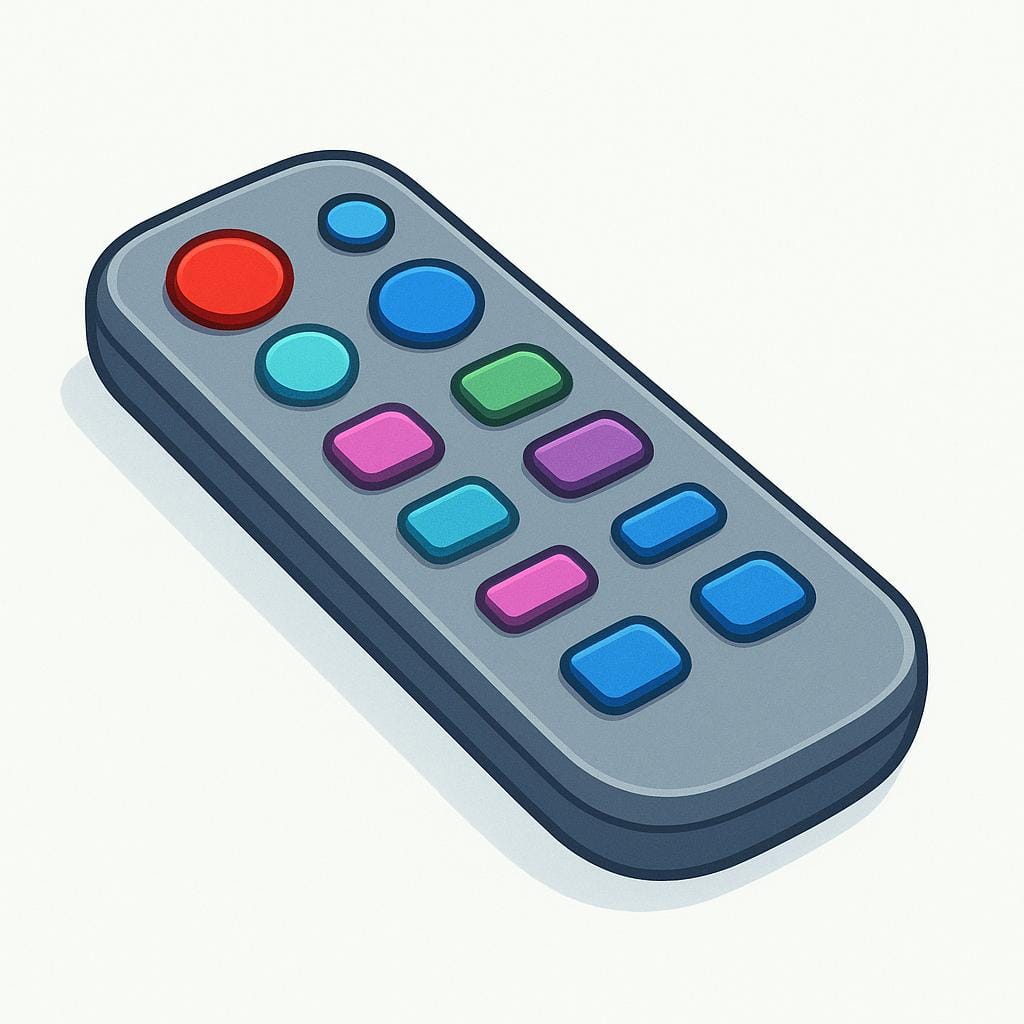
¿Puedes pasarme el mando de la televisión?
Can you pass me the TV remote?
Mi hijo rompió el mando de la consola al perder la partida.
My son broke the game controller when he lost the match.
Mando vs. Control
While 'control remoto' is understood, in Spain and parts of Latin America, 'mando' is the much more common and casual way to refer to the device you hold.
Using 'mando' for general control
Mistake: “No tengo mando sobre mis emociones.”
Correction: Say 'No tengo control sobre mis emociones.' Use 'mando' only for physical devices or organizational authority.
Control vs. Mando
Related Translations
Learn Spanish with Inklingo
Interactive stories, personalized learning, and more.