How to Say "ring" in Spanish
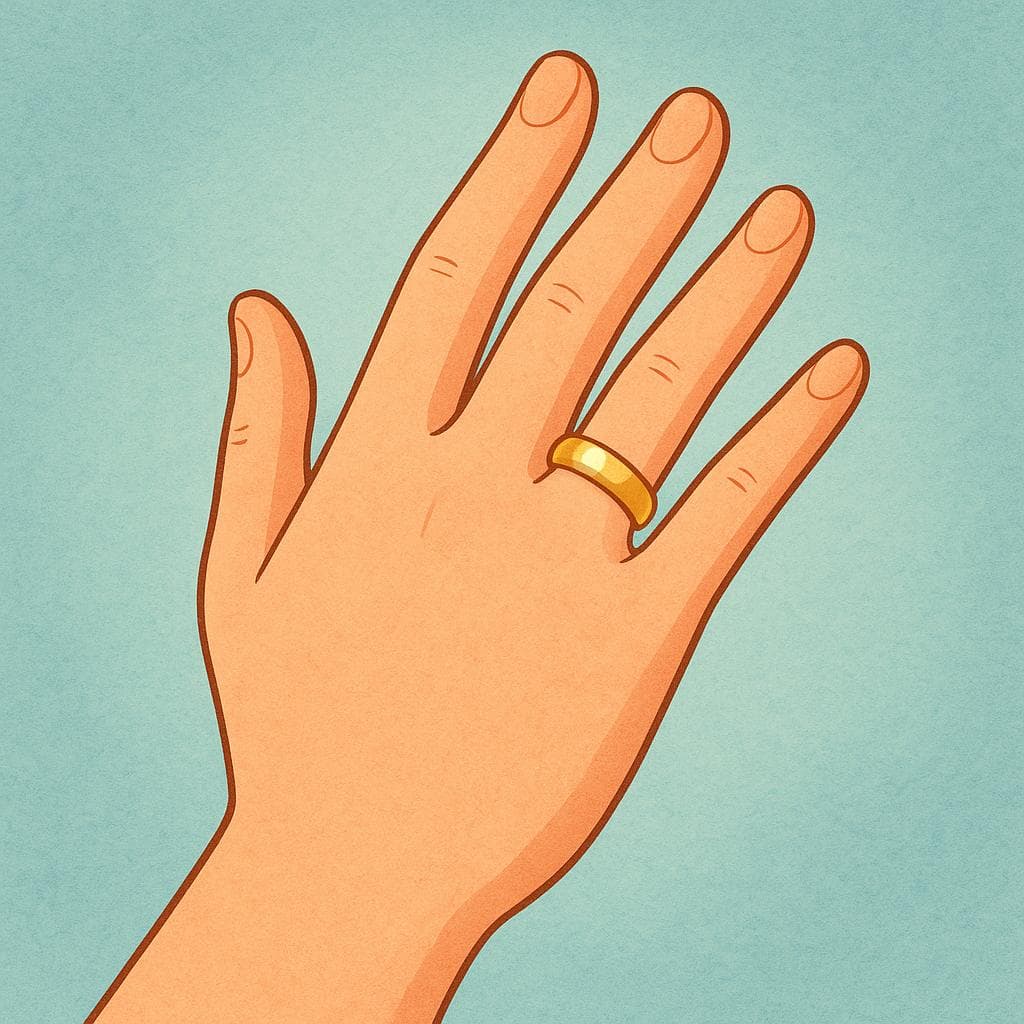
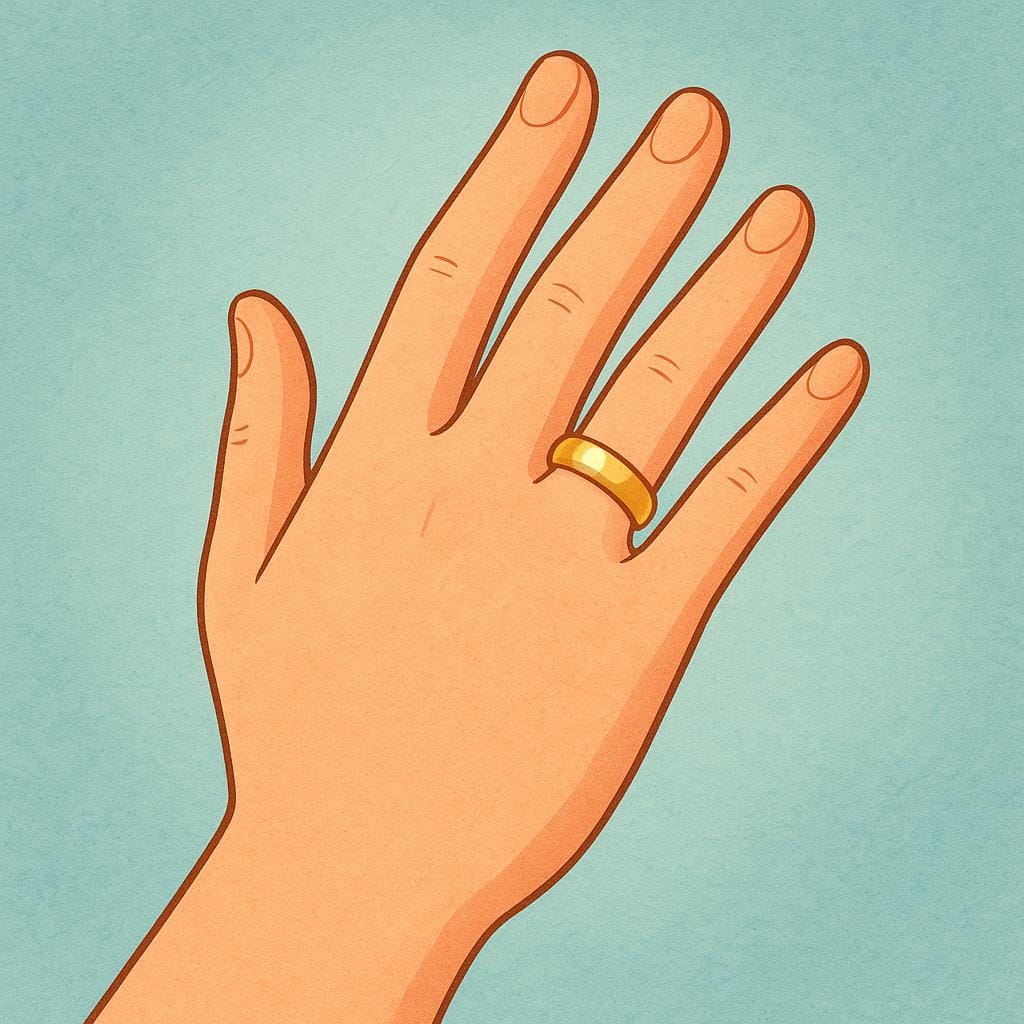
The most common Spanish word for “ring” is “anillo” — use 'anillo' for jewelry worn on a finger, or for celestial rings like those of Saturn.




anillo
ah-NEE-yohaˈniʎo
Examples
Ella perdió su anillo de compromiso en la playa.
She lost her engagement ring on the beach.
Quiero comprar un anillo de plata para mi madre.
I want to buy a silver ring for my mother.
Los anillos de Saturno son visibles con un buen telescopio.
Saturn's rings are visible with a good telescope.
El fumador lanzó un anillo de humo perfecto.
The smoker blew a perfect smoke ring.
Masculine Noun
Remember that 'anillo' is always a masculine word, so it uses 'el' or 'un'. (e.g., 'El anillo es caro').
Aro vs. Anillo
Mistake: “Using 'anillo' for a large hoop or ear piercing.”
Correction: Use 'aro' for larger objects like hoops, especially earrings. 'Anillo' is best for jewelry on the finger or smaller, scientific structures.
aro
AH-rohˈa.ɾo

Examples
El jugador lanzó la pelota y pasó justo por el aro.
The player threw the ball, and it went right through the hoop.
Me encantan esos aros de plata que llevas puestos.
I love those silver hoop earrings you are wearing.
Para esta receta, necesitas cortar la cebolla en aros finos.
For this recipe, you need to cut the onion into thin rings.
Aro vs. Anillo
Use 'anillo' for rings you wear on your fingers. Use 'aro' for larger hoops, circular objects, or hoop-shaped earrings.
Plural Form
To make it plural, just add an 's' to get 'aros'. It follows the standard pattern for words ending in a vowel.
Wedding Rings
Mistake: “Me puse mi aro de matrimonio.”
Correction: Me puse mi anillo de matrimonio.
círculo
Examples
Dibuja un círculo grande en la pizarra.
Draw a large circle on the board.
llame
YAH-meh / SHAH-meh (in certain regions)ˈʎa.me

Examples
Si tiene dudas, llame a la oficina.
If you have doubts, call the office.
Necesito que él me llame inmediatamente.
I need him to call me immediately.
Espero que no me llame tan tarde.
I hope that he doesn't call me so late.
Llame antes de entrar.
Knock before entering (formal command).
Formal Commands (Usted)
When you use 'llame' as a formal command (addressing someone respectfully as 'usted'), it tells them what to do: 'Llame mañana' (Call tomorrow).
Expressing Wishes (Subjunctive)
You must use 'llame' when expressing wishes, desires, or necessities after certain phrases like 'Quiero que...' or 'Es importante que...': 'Quiero que me llame' (I want him/her/you to call me).
Always use 'a'
When talking about knocking, you always use the preposition 'a' followed by the location: 'llamar a la puerta' (knock at the door).
Mixing Command Levels
Mistake: “Le digo a mi amigo: 'Llame pronto.'”
Correction: You should use the informal command (tú) for friends: 'Llama pronto.' Use 'Llame' only for formal interactions.
ring
reenriŋ
Examples
Esperaba el ring del teléfono, pero nunca llamó.
I was waiting for the phone to ring, but she never called.
Sounds as Nouns
Spanish often uses the English word for a sound as a noun. You can say 'el ring' to refer to the noise itself.
arena
ah-REH-nahaˈɾena

Examples
Miles de personas llenaron la arena para ver el concierto.
Thousands of people filled the arena to see the concert.
Los gladiadores luchaban en la arena en la antigua Roma.
The gladiators fought in the arena in ancient Rome.
El debate político se convirtió en una verdadera arena de combate.
The political debate turned into a real fighting arena (a hostile environment).
Figurative Use
When used figuratively, 'arena' refers to a place or field of intense competition, conflict, or public display, like 'la arena política' (the political arena).
eslabón
Examples
La cadena se rompió porque un eslabón estaba oxidado.
The chain broke because one link was rusty.
pista
PEES-tahˈpis.ta
Examples
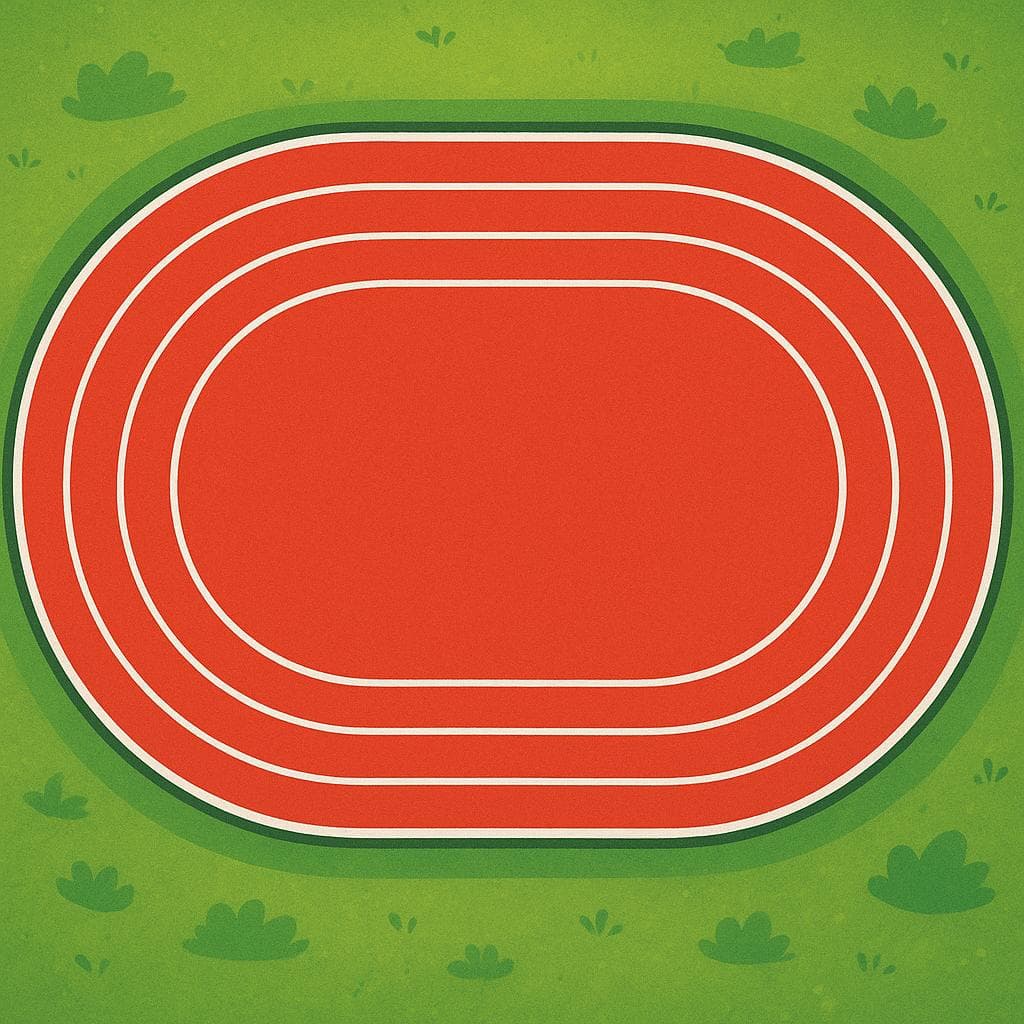
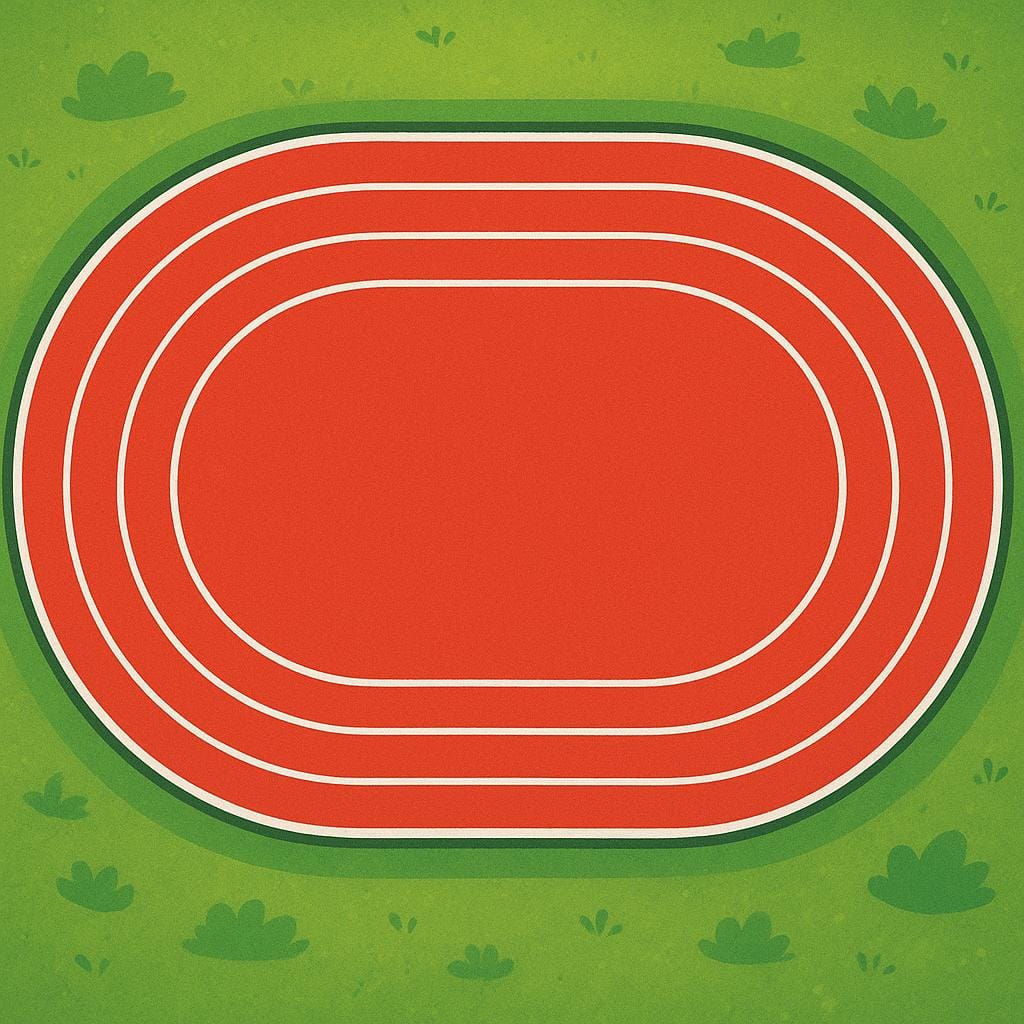
Los coches de carreras van muy rápido en la pista.
The race cars go very fast on the track.
Tenemos reservada la pista de tenis a las cinco.
We have the tennis court reserved at five.
Me encanta patinar en la pista de hielo en invierno.
I love skating at the ice rink in winter.
ronda
RRON-dahˈron.da

Examples
Los niños formaron una ronda para cantar la canción.
The children formed a ring (circle) to sing the song.
En la clase de folclore aprendimos una ronda tradicional.
In folklore class, we learned a traditional circle dance.
anillo
ah-NEE-yohaˈniʎo
Examples
La policía desmanteló un anillo de contrabando de arte antiguo.
The police dismantled a ring for smuggling ancient art.
Ella perdió su anillo de compromiso en la playa.
She lost her engagement ring on the beach.
Quiero comprar un anillo de plata para mi madre.
I want to buy a silver ring for my mother.
Los anillos de Saturno son visibles con un buen telescopio.
Saturn's rings are visible with a good telescope.
Masculine Noun
Remember that 'anillo' is always a masculine word, so it uses 'el' or 'un'. (e.g., 'El anillo es caro').
Aro vs. Anillo
Mistake: “Using 'anillo' for a large hoop or ear piercing.”
Correction: Use 'aro' for larger objects like hoops, especially earrings. 'Anillo' is best for jewelry on the finger or smaller, scientific structures.
Shape vs. Jewelry
Related Translations
Learn Spanish with Inklingo
Interactive stories, personalized learning, and more.